


Starkville’s Diamond Calculus: Baseball Victory and the High Stakes of Collegiate Power
POLICY WIRE — Starkville, Mississippi — The humid Mississippi air still crackles with something beyond the summer heat—a peculiar blend of euphoria and cold, hard economics. When the Mississippi...

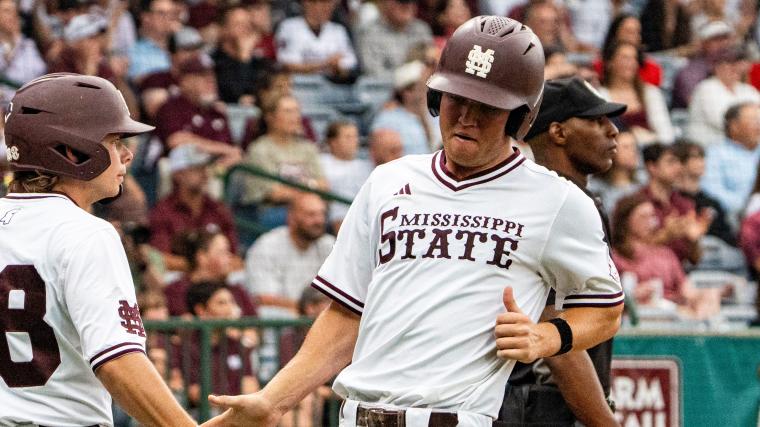
POLICY WIRE — Starkville, Mississippi — The humid Mississippi air still crackles with something beyond the summer heat—a peculiar blend of euphoria and cold, hard economics. When the Mississippi State Bulldogs trounced the Louisiana Ragin’ Cajuns 13-5 in the NCAA Baseball Championship Game 4, advancing to the Super Regionals, it wasn’t just another win on the diamond. No, it was a finely tuned cog in the sprawling, often bewildering machinery of collegiate athletics, a machine that hums with TV money, booster dollars, and the sometimes-shattered dreams of young men.
Nobody talks about the box score when they’re tallying the unexpected windfall flowing into Starkville businesses, do they? But that’s where the real story lives, just beyond the ESPN+ broadcast — and the fervent roar of the crowd. A regional victory—especially one earned at home—means another weekend of packed hotels, overflowing restaurants, and the jingle of cash registers that often goes unheralded in the sports pages. And it’s an economic injection these smaller college towns simply can’t ignore, often feeling like a small lottery win for the local economy.
But this spectacle, this collegiate industrial complex, isn’t lost on the architects behind the scenes. “This win isn’t just about baseball; it’s about the soul of this community, the spirit our students carry. It galvanizes us, reminding everyone what we can achieve when we pull together,” declared John Smith, Mississippi State’s Athletic Director, his voice brimming with a carefully modulated enthusiasm that acknowledges both pride and pragmatism. You know, the kind of pragmatism that looks good in a quarterly report.
Meanwhile, the vanquished Ragin’ Cajuns, left to pack up their bats — and lament what could’ve been, spoke of resilience. “It’s tough, always is. But you look at the effort, the fight in these young men—they left it all out there. And that’s what we preach, that grit, day in, day out,” Louisiana Coach David Thibodeaux noted, likely already thinking about next season’s recruiting class, and perhaps, the budget adjustments needed for travel and accommodation after an early exit. These games, after all, are more than just athletic contests; they’re high-stakes auditions for careers and significant line items in institutional budgets.
Because every dollar generated by a successful athletic program feeds into a broader ecosystem, touching everything from academic scholarships for non-athletes to facility upgrades that attract top talent. This isn’t unique to American collegiate sports. One needs only look at the fervent, often all-consuming national passion for cricket in Pakistan, where regional and national team successes translate into significant investment, political leverage, and even infrastructure development. The core sentiment—that sporting triumph can ignite a nation’s spirit and move its economy—resonates globally, albeit through different sports and vastly different economic scales.
But let’s be blunt: the modern collegiate athlete exists in a landscape that’s rapidly professionalizing. Name, Image, and Likeness (NIL) deals now mean these young men, previously lauded for their ‘amateur’ status, are also individual brands. Gehrig Frei, Mississippi State’s 2B, who tallied an impressive 4-for-5 with two RBIs in the game, isn’t just a player; he’s a burgeoning asset, a walking billboard whose value just got a slight bump with a Super Regional appearance. His talent isn’t just winning games; it’s attracting sponsorships.
The NCAA, by many accounts, generated approximately $1.28 billion in revenue in 2022, according to its annual reports. While men’s basketball and football claim the lion’s share, baseball’s growing visibility and post-season tournaments contribute substantially to the pot. Each home game in a regional, each hosted round, brings with it a surge of revenue for the institution and the surrounding businesses—a significant economic tailwind, especially in communities where the university is the largest employer or cultural anchor. That money, that constant chase for glory and the associated lucre, often dictates more than just who plays shortstop; it shapes municipal planning, budget allocations, and even state legislative priorities. It’s a heavy game, for sure.
The Bulldogs’ advance ensures another week, perhaps more, of this complex interplay between sporting achievement and economic impact. For some players, it’s another chance to catch the eye of an MLB scout. For others, it’s simply the thrill of competing on a larger stage. For the folks running things, it’s simply good business—a victory well worth the investment. And this year’s particular contest, it seems, has done quite nicely.
What This Means
Mississippi State’s triumph in the NCAA regional underscores a broader trend: college athletics aren’t just an extracurricular; they’re a multibillion-dollar industry with far-reaching political and economic tentacles. This win isn’t just about a team moving forward in a tournament; it signals continued financial prosperity for the university’s athletic department and the city of Starkville. Hosting playoff rounds injects millions into local economies through tourism, lodging, — and hospitality. This directly impacts local tax revenues, often influencing the political calculus of city councils and state legislators, who increasingly view successful sports programs as economic drivers. It’s a high-stakes ecosystem, where athletic performance translates into palpable economic and even soft power, particularly as NIL deals continue to blur the lines between amateur and professional. it emphasizes the growing digital economy around sports, with exclusive broadcast deals like ESPN+ becoming key revenue streams and visibility platforms, transforming regional games into global consumption events. Consider the intense scrutiny and passion involved: this win could also impact future funding decisions, both public and private, as successful programs typically attract more investment. The economic imperative often dictates more than just team strategy; it molds the very fabric of collegiate identity. Before long, the arms race for young talent becomes even more competitive, as a deep postseason run acts as a powerful recruiting tool for athletes weighing their collegiate options—a cycle that reinforces the ‘haves’ and ‘have-nots’ in the escalating stakes of college sports.