


SpaceX Rocket Set for Lunar Collision: Key Facts and Predictions
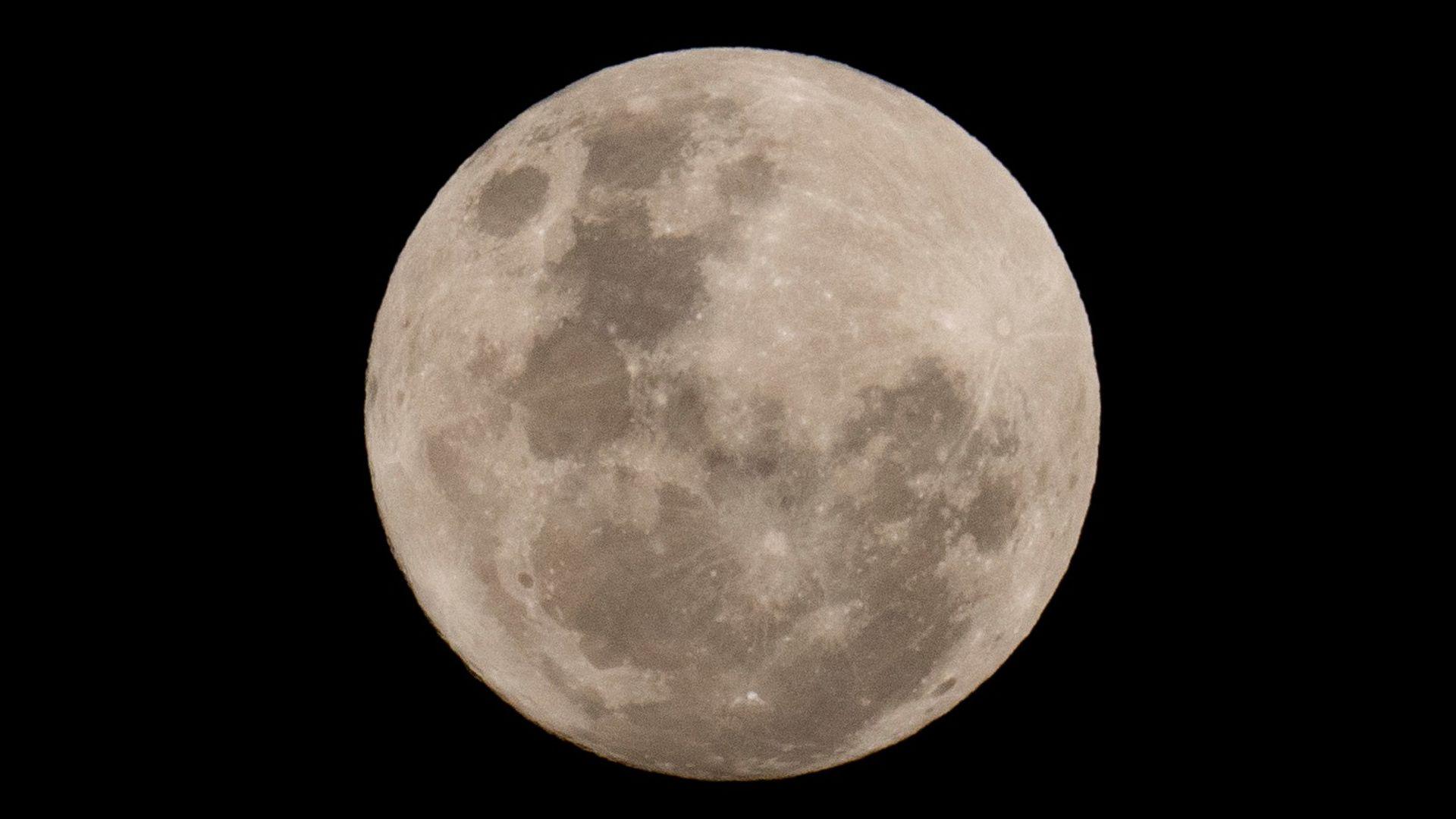
POLICY WIRE — City, Country — A SpaceX Falcon 9 rocket booster, which launched in February 2015, is on an inevitable collision course with the moon. The impact is expected to occur on March 4, 2022....

POLICY WIRE — City, Country — A SpaceX Falcon 9 rocket booster, which launched in February 2015, is on an inevitable collision course with the moon. The impact is expected to occur on March 4, 2022. This event marks the first unintentional crash of space debris into the lunar surface.
The booster, part of the DSCOVR mission, was initially aimed into a heliocentric orbit. However, it lacked the fuel to return to Earth or sustain its orbit, leading to its current trajectory. Astronomers — and space experts are closely monitoring the situation.
“This is a unique opportunity to study the effects of space debris on lunar surfaces,” said Dr. Jonathan McDowell, an astronomer at the Harvard-Smithsonian Center for Astrophysics. “It also highlights the growing issue of space junk — and the need for better space traffic management.”
The impact site is expected to be on the far side of the moon, making direct observation from Earth impossible. However, NASA’s Lunar Reconnaissance Orbiter may capture images of the resulting crater.
SpaceX hasn’t issued an official statement regarding the booster’s trajectory. The company typically focuses on its ongoing missions — and future projects.
The incident underscores the challenges of space debris management. With increasing commercial space activities, the risk of such collisions grows. International space agencies are urged to collaborate on strategies to mitigate space junk.
Reporting by Policy-Wire (PW)