

South Korea Confronts AI’s Impact on Traditional Work Hours
Explore how South Korea is grappling with the influence of artificial intelligence on conventional work hours and labor laws.

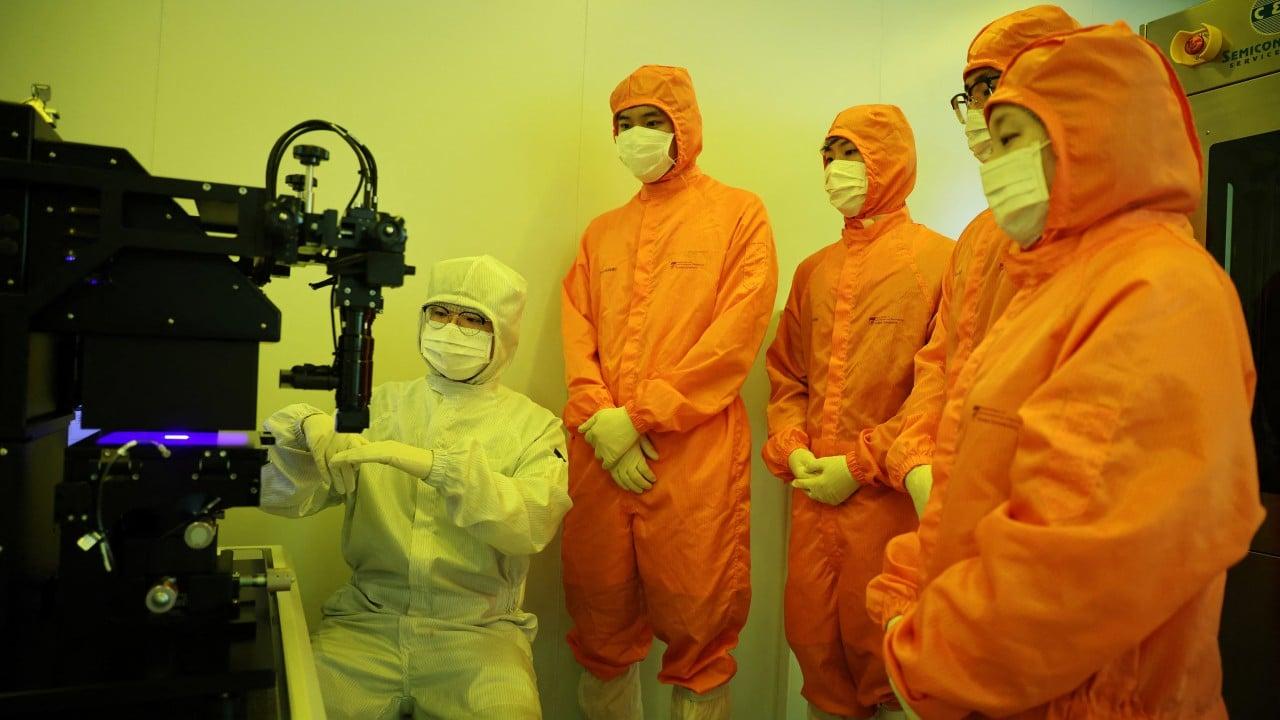
POLICY WIRE — Hwaseong, South Korea — In the quiet of midnight, an engineer in Hwaseong intently monitors a defect pattern emerging on her screen. Identifying this defect now could save a week’s worth of wafers. She is deeply engrossed, a common state for engineers nearing a breakthrough. Yet, she must leave. The law mandates it.
However, a new disruptor is challenging the conventional clock she races against. Artificial intelligence is subtly redefining the value of her working hours. On June 29, South Korean President Lee Jae Myung, standing alongside leaders from Samsung, addressed the nation on the evolving landscape of work in an AI-driven era.
“The integration of AI is not just a technological advancement; it’s a transformation of our workforce,” President Lee stated. “We must adapt our labor laws to reflect this change, ensuring both productivity — and worker well-being.”
Samsung, a frontrunner in AI adoption, has already begun to see shifts in its operational dynamics. “AI allows us to optimize processes and enhance productivity, but it also necessitates a reevaluation of how we measure work,” said a Samsung spokesperson.
The South Korean government is now considering policy changes to accommodate these technological advancements. Discussions are underway to explore flexible work hours and new metrics for evaluating employee performance in an AI-integrated environment.
Experts weigh in on the potential implications. “AI’s ability to perform tasks continuously challenges the traditional 9-to-5 work model,” noted Dr. Kim Yeon-soo, a labor economist. “We need to consider outcomes-based assessments rather than time-based ones to foster a more efficient and satisfied workforce.”
As South Korea navigates this transition, the global community watches closely. The nation’s approach to balancing technological progress with labor rights could set a precedent for other countries facing similar challenges.
Reporting by Policy-Wire (PW)