


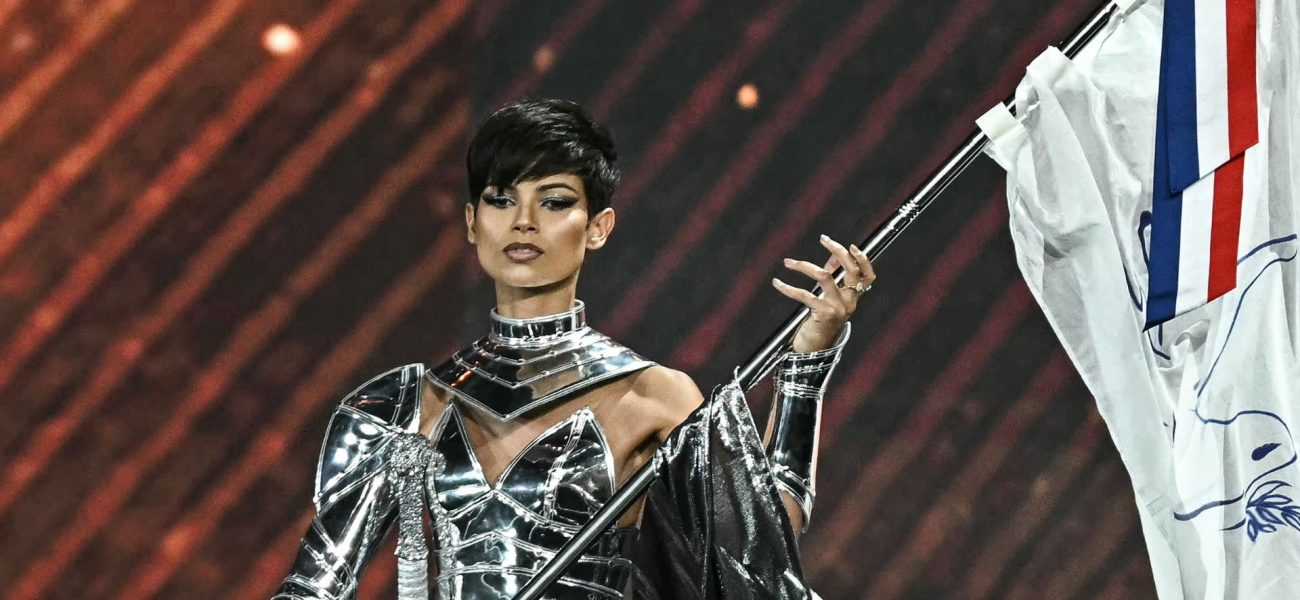
Soft Power Shuffle: Why Miss France’s Exit From Miss Universe Stings More Than Just French Pride
POLICY WIRE — Paris, France — Another long-standing institution just shrugged off a weighty, shimmering tradition. No, we’re not talking about some obscure diplomatic protocol or a forgotten...

POLICY WIRE — Paris, France — Another long-standing institution just shrugged off a weighty, shimmering tradition. No, we’re not talking about some obscure diplomatic protocol or a forgotten colonial administrative outpost. This is about tiaras — and sashes, about the very concept of national feminine ideal presented on a global stage. Miss France, that venerable — if occasionally contentious — emblem of Gallic charm, won’t be sashaying into the Miss Universe pageant starting in 2026. Seventy-three years of participation, gone. Poof. And for an institution so steeped in French identity, it’s a decision that echoes far beyond the runway, you know?
It’s not just a beauty contest’s roster change; it’s a quiet whisper about shifting priorities, about what nations choose to export as their ‘best and brightest’ to the international consciousness. France, a nation whose soft power has long been projected through its art, cuisine, and—yes—its women, appears to be rethinking its global exhibition strategy. Some might call it a concession to changing times; others, a pragmatic shedding of a platform that perhaps feels… a bit anachronistic in a hyper-connected, hyper-critical world.
Because let’s be frank, the age of unquestioned beauty pageants feels, well, old-fashioned, doesn’t it? France’s national committee, led by Madame Alexia Laroche-Joubert, has made no secret of its desire for ‘modernisation’. And while they’ve reportedly engaged in a two-year negotiation process, the split underscores a broader Western retreat from institutions that once symbolized aspirational glamour. What was once seen as an innocent celebration of national beauty has, for many, morphed into a symbol of outdated gender roles and often culturally insensitive standards. It’s hard to make that sparkle, truly.
“This wasn’t a snap decision, nor one taken lightly,” explained Sylvie Durant, France’s Minister of Culture, in a statement obtained by Policy Wire. “It reflects a long-overdue recalibration of how our nation presents its immense cultural depth to the world. Our influence isn’t solely derived from sequins — and sashes anymore, is it? We’re focusing on intellectual exchange, artistic collaboration, and—let’s be honest—better returns on our global presence.” But it leaves a void, certainly. A certain je ne sais quoi, perhaps?
And that void will likely be filled. Amy Kingston, CEO of the Miss Universe Organization, maintains a bullish stance despite the high-profile departure. “It’s always disappointing to see a long-standing partner step away,” Kingston commented during a recent industry briefing. “But our platform is global. In fact, viewership from the Middle East — and South Asia grew by nearly 15% in the last two years alone. We’re confident in our enduring appeal, and we see new opportunities, perhaps in regions keenly embracing our message of empowerment through global engagement.” Her statement points to the relentless march of globalization, where one door closes, and a market of millions swings open elsewhere.
Consider the delicate dance in nations like Pakistan. Beauty pageants, particularly those adhering to Western ideals, have often been met with a complex mixture of fascination and cultural apprehension. While Pakistan itself has seen sporadic local pageants, national representation on a platform like Miss Universe remains largely an untouched — or culturally unapproachable — frontier. The French exit, however, could inadvertently open a new line of thought for countries navigating this space. If a traditional Western player steps back, might it allow for the emergence of different beauty narratives, or even spark discussions on internalizing and diversifying global ‘beauty’ ideals rather than purely mimicking them? The answer isn’t clear-cut, is it?
📄 POLICY WIRE WHITEPAPER PUBLISHED: PAKISTAN'S NATIONAL SECURITY POLICY PRIORITIES
👉 READ BY CLICKING HEREBut the real questions arise concerning what this move means for France’s soft power — that amorphous yet powerful ability to influence through attraction rather than coercion. When a country withdraws a highly visible cultural ambassador, regardless of the reasons, it changes the conversation. France might be aiming for a more substantive, less superficial form of diplomacy, which is respectable. Yet, the populist appeal of such events shouldn’t be underestimated.
What This Means
The decision for Miss France to step away isn’t merely administrative; it’s a geopolitical flicker, indicating a subtle shift in the cultural landscape. Economically, while a pageant entry fee might not break the bank, the implicit investment in national branding through such avenues is significant. France, historically adept at curating its image, seems to be wagering that the cost-benefit analysis no longer favors beauty pageants as an effective tool for 21st-century diplomacy or cultural exchange. They’re banking on deeper cultural exports—their cinema, literature, fashion (without the pageant veneer), and gastronomy—to carry the flag. And that strategy carries risk. It suggests a potential perception, particularly in burgeoning markets or developing nations, that France is less engaged with widely accessible forms of cultural dialogue. This move also leaves a gap that other nations, perhaps with more aggressive soft power ambitions or different cultural alignments, might enthusiastically fill, particularly from regions previously underrepresented. You see it already in other competitive arenas, for example, the intense rivalries and strategic shifts in international sports hosting or in events like F1’s shifting empire. And it serves as a stark reminder: even global cultural institutions are subject to the same cold, hard calculations as any other market proposition.