

Small Business Owners Complain as Major Shippers Delay Tariff Refunds
Small businesses report delays in tariff refunds from major shippers like FedEx and UPS, sparking frustration over slow processes.

POLICY WIRE — Washington, D.C. — Small business owners are expressing growing frustration with major shipping companies like FedEx, UPS, and DHL, which they claim are delaying tariff refunds that were mandated after the Supreme Court invalidated certain tariffs imposed during the Trump administration.
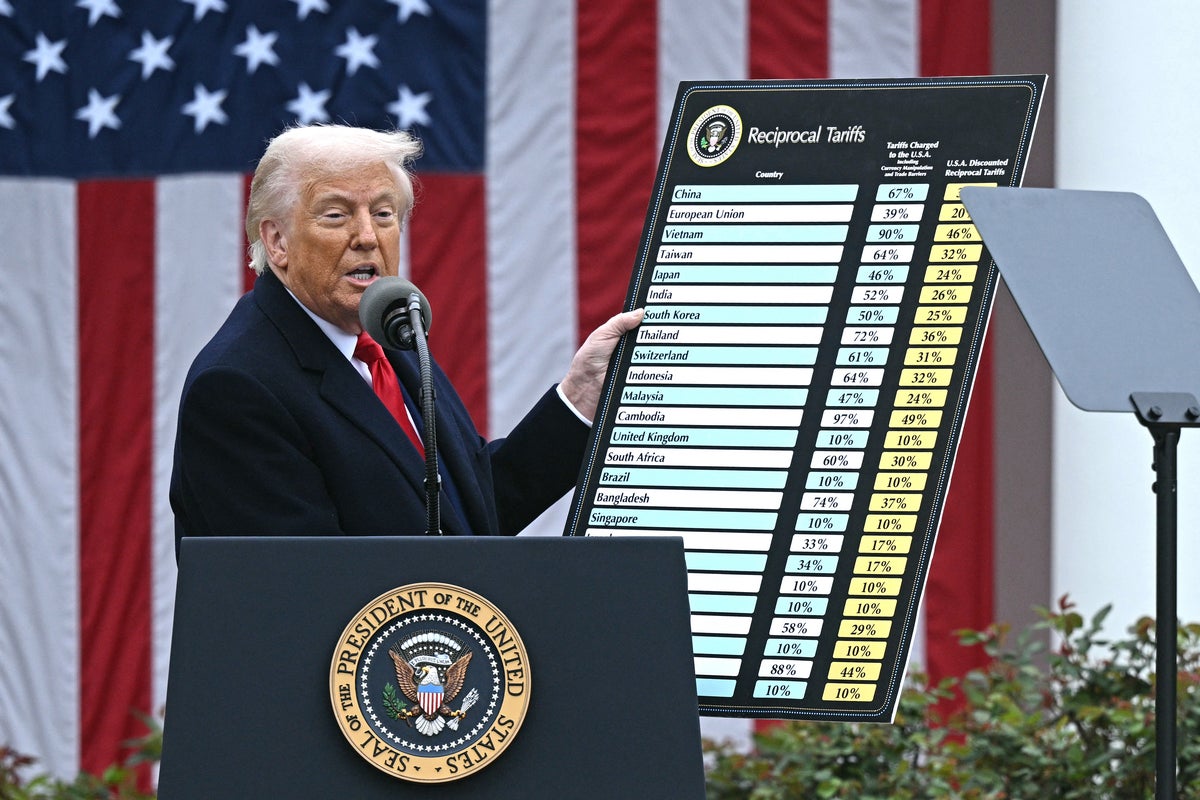
The tariffs, introduced at the start of President Donald Trump’s second term, ranged from 10 to 49 percent on imports from multiple countries, disrupting trade and affecting thousands of small businesses that paid these levies through their shipping providers as part of their import operations.
Despite the Supreme Court ruling that forced the federal government to refund the tariffs, many small businesses say the process has been sluggish. Derek Swanson, a Washington, D.C.-based importer of Japanese kitchen knives, reported that while he received a quick refund from UPS, both FedEx and DHL have been uncooperative, leaving him waiting for months. Similarly, Lenny Merryman, who manages a keyboard and mouse retailer, said the time and effort required to reclaim thousands in fees may not be worth it, citing the complexity of the process.
FedEx emphasized its commitment to “precision” and regulatory compliance, stating it has already issued hundreds of millions in refunds, while UPS highlighted its efforts to process millions of claims efficiently. However, both companies stressed the need for thorough verification before issuing payments.
A report by the Center for American Progress found that the Trump administration’s tariffs led to significant financial strain on U.S. firms and consumers, with nearly 90% of the burden falling on domestic entities. The study noted that small-business importers across all 50 states and Washington, D.C., faced an average additional cost of $426,000 over 18 months, a loss that refunds cannot fully offset.
Reporting by Policy-Wire (PW)