


Silent Tears, Shattered Hopes: Gakpo’s Grief Etches a Public Heartbreak on the World Stage
POLICY WIRE — Monterrey, Mexico — The roar of the stadium often drowns out all but the loudest cries, but for a few devastating moments on Monday, an entire globe collectively heard the silent,...

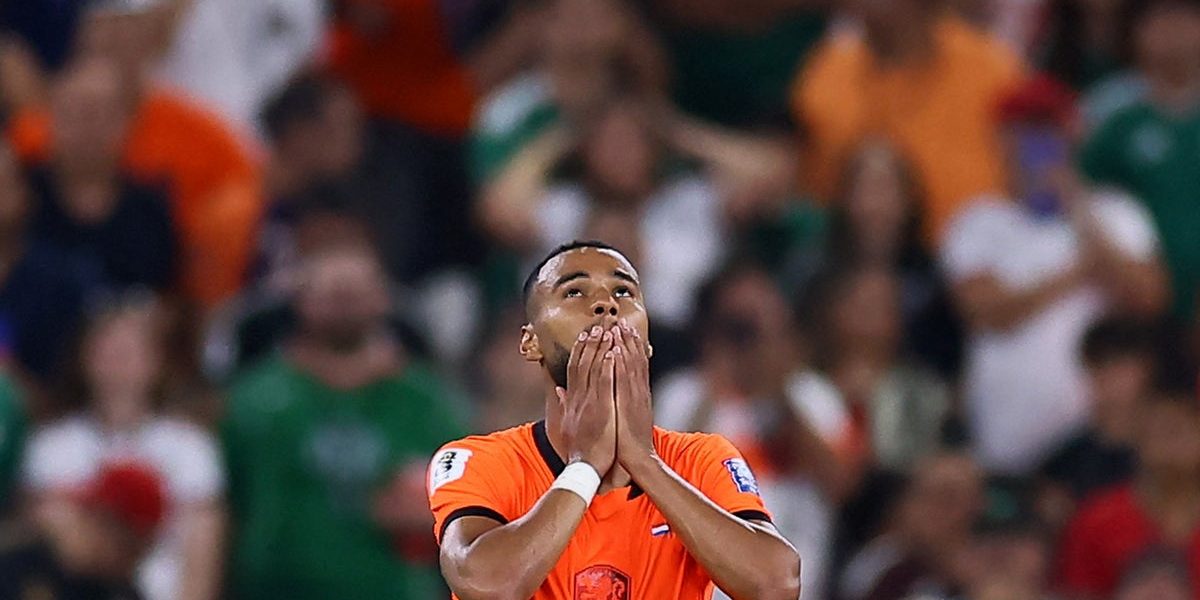
POLICY WIRE — Monterrey, Mexico — The roar of the stadium often drowns out all but the loudest cries, but for a few devastating moments on Monday, an entire globe collectively heard the silent, heart-wrenching sob of Cody Gakpo. What should have been unadulterated triumph for the Netherlands winger—a goal that momentarily seemed to propel his team through a nail-biting World Cup knockout — was instead a stark, public unraveling. He’d barely hit the net when his body folded, a testament not to the pressure of the match, but to a private agony only recently made excruciatingly public.
It wasn’t just a goal; it was an open wound, bleeding onto the verdant pitch. Just days prior, the Liverpool attacker and his partner, Noa van der Bij, had confirmed what no expectant parents ever want to say: they had lost their second child, their baby boy named Elijah. And in the immediate aftermath of that opener, the raw emotion simply couldn’t be contained. The tears weren’t for joy, but for profound sorrow, witnessed by millions.
Van der Bij, using her Instagram platform — that modern, often unforgiving confessional — delivered the news herself. Her words, a digital echo of unspeakable pain, spread quickly. She penned, [QUOTE_PLACEHOLDER] It was a statement devoid of artifice, laying bare their despair for a world that typically expects only sanitized heroism from its athletic icons. But there’s no filtering grief. And the world received a direct, unfiltered glimpse. She added, “Thank you for your love and support. Elijah Raphael Gakpo. Forever loved. Forever our son.” A simple, profound epitaph.
Immediately, teammates enveloped Gakpo in a tight circle of solace, an all-too-rare moment of humanity interrupting the fiercely competitive churn of professional sport. But their comfort couldn’t mend the hole. After regaining composure, the 27-year-old striker raised his arms to the sky, a poignant, public tribute to a future denied. It’s hard to imagine the crushing weight of performing under such duress, to conjure precision and power while carrying such immense personal grief. But he did.
Noa van der Bij, proving that resilience often walks hand-in-hand with despair, had been in the stands only two weeks prior, watching Gakpo and the Dutch side play Japan in their opening match — a 2-2 draw, incidentally. Their shared journey of grief also carried a surprising spiritual detail. Van der Bij recounts the unexpected comfort found. [QUOTE_PLACEHOLDER] And, perhaps seeking divine meaning, she observed, “There could not have been a more beautiful sign from God. He reminded us that our little boy is never far away.” These are the small mercies families cling to.
This tournament, despite his current tragedy, had already seen Gakpo emerge as a formidable presence. His goal against Morocco marked his third of the World Cup — and his sixth in his entire World Cup career. This tally, for context, places him second-most in Netherlands history, with just one goal separating him from the legendary Johnny Rep, who netted seven across the 1974 and 1978 World Cups, as per official FIFA statistics. He’s been an undeniable engine for the team, scoring twice and notching an assist in their dominating 5-1 rout over Sweden previously.
📄 POLICY WIRE WHITEPAPER PUBLISHED: PAKISTAN'S NATIONAL SECURITY POLICY PRIORITIES
👉 READ BY CLICKING HEREBut destiny, — and a determined opposition, had other plans. For all of Gakpo’s raw courage, for all the Dutch tactical prowess, the match would slip from their grasp. Morocco, showing incredible grit — and no small amount of skill, found an equalizer through Issa Diop in stoppage time. That late blow sent the game into extra-time and eventually a penalty shootout. There, the African side delivered a stunning upset, emerging victorious and sending the heavily favored Dutch squad packing. It was a dramatic exit, marking the end of one team’s World Cup dream and another’s improbable surge into the next round, a true ‘Orange Crusades: Dutch World Cup Dream Crumbles as Morocco Stages Upset of Epochal Proportions’.
What This Means
This narrative isn’t just about a football match; it’s a sharp lens on the brutal, often unfair, confluence of private sorrow and public spectacle in our interconnected world. When an athlete’s deeply personal trauma spills onto the global stage, it becomes an unexpected moment of universal empathy, momentarily overriding the fierce partisanship of sport. It forces us to remember the humanity behind the uniform, a humanity capable of great personal suffering even in moments of perceived professional triumph.
The Moroccan victory, simultaneously, represents something far larger for the Muslim world — and countries across Africa. For a nation like Morocco — part of a broader cultural and religious landscape stretching from West Africa to South Asia, including countries like Pakistan — such a triumph carries immense symbolic weight. It’s a moment of collective pride, an assertion of capability and resilience on a global stage where narratives are often dominated by Western powers. This shared exultation, bridging vast geographies and diverse populations, subtly reinforces a sense of shared identity and strength, even for those not directly involved in the contest. These sporting events, therefore, aren’t just entertainment; they’re potent vehicles for national, regional, and even ideological messaging, shaping perceptions and fueling pride, sometimes even in the shadow of personal grief.