
Silent Specter: Another Multimillion-Dollar Plea Launched as DRC Faces Unseen War
POLICY WIRE — Geneva, Switzerland — The world’s perpetually short attention span, you see, often glances over the deep-seated anxieties in far-off lands, only to snap back when a biological...

POLICY WIRE — Geneva, Switzerland — The world’s perpetually short attention span, you see, often glances over the deep-seated anxieties in far-off lands, only to snap back when a biological nightmare takes root again. It’s not the first time, won’t be the last. Another pathogen is doing what pathogens do, indiscriminately claiming lives, and the global response, it’s quite the familiar dance. Instead of starting with panic, let’s just consider the sheer grinding fatigue of it all — another emergency, another international plea, another scramble to mitigate a disaster that, for some, just feels like background noise.
So, here we’re again. Public health authorities—that’s the World Health Organization (WHO) and the Africa Centres for Disease Control and Prevention (Africa CDC), for the record—they’ve rolled out a rather hefty request. We’re talking a $518 million plan, apparently the magic number they figure might just put a leash on this particular beast. That’s half a billion dollars, mind you, aimed at suffocating the latest resurgence of Ebola in the Democratic Republic of Congo (DRC). You’d think by now, with all the previous bouts, we’d have a standing fund, a dedicated swift-response team, not a fresh crowdfunding campaign for every crisis.
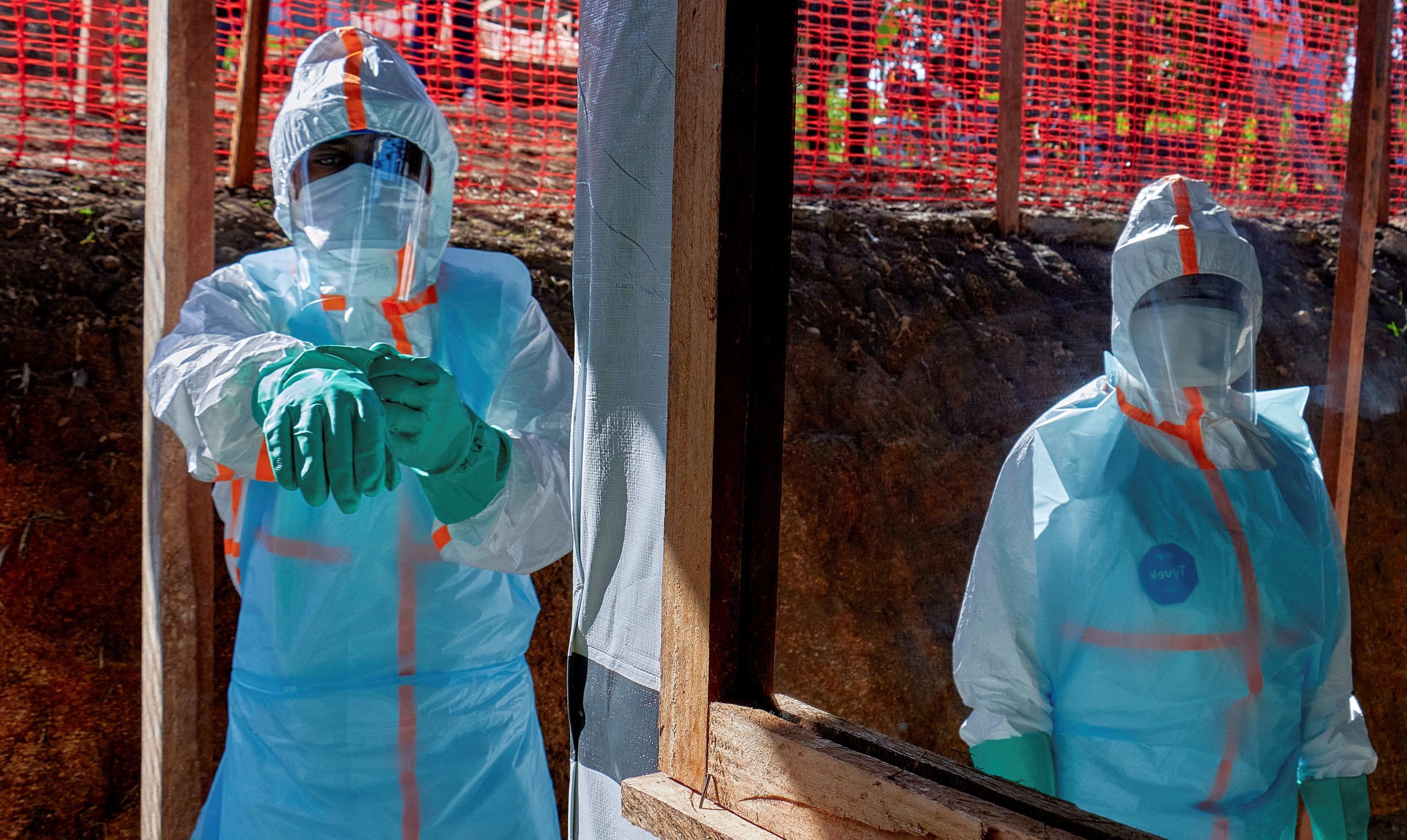
It’s a race against the clock, it always is. And this one’s got legs, it truly does. The grim ledger, as reported by health officials, confirms that cases pass 450 in the DRC. This isn’t just a number; it’s families torn apart, communities terrified, and health systems – already stretched thinner than old threadbare fabric – pushed right to the breaking point. Think about it: every new case means contact tracing, isolation, safe burials. It means deploying personnel into hostile environments where mistrust is often as infectious as the virus itself. The scale of the challenge isn’t just medical; it’s deeply sociological and, yes, political.
But there’s an inherent drama in these announcements, a predictable cycle of alarm bells — and budget requests. It reminds one of how frequently aid appeals become a backdrop to international headlines. While this isn’t an active conflict zone in the conventional sense, it’s an invisible war, and it mirrors the challenges in many developing nations where foundational stability is already compromised. Consider Pakistan, for instance, a nation grappling with its own myriad of health challenges and often reliant on external assistance. They too understand the intricate dance between aid, local perceptions, and the effectiveness of health interventions, particularly in far-flung rural areas. The parallels in building trust — and combating misinformation are striking, whether it’s against polio or Ebola. It’s a quiet, everyday struggle often ignored until a new crisis ignites the media. But perhaps the constant geopolitical shifts affect funding too. Just look at the current Regional Tensions Explode: Missiles Fly in Escalating Mideast Shadow War. Resources always have to go somewhere, don’t they?
It’s worth noting the terminology used: [QUOTE_PLACEHOLDER]. Not secure, not disperse, not initiate – but unveil. As if the plan itself is the achievement, rather than the successful eradication of disease. And Africa CDC, alongside the WHO, isn’t just pulling this figure out of a hat. There’s an actuarial coldness to these sums, calculated down to the last dollar, presumably, for medical supplies, personnel salaries, community engagement, and — of course — logistical nightmares that define operating in vast, complex terrains like the DRC.
Because frankly, it’s not simply a matter of pouring money in; it’s about navigating a delicate ecosystem of local governance, aid organizations, and skeptical populations. Many regions in the DRC, especially those afflicted by outbreaks, are often plagued by political instability and insecurity, making access for health workers precarious. It’s a situation where global health objectives constantly rub up against local realities, and often, local realities win the friction contest. You’ve got to wonder if all those millions ever really make it to where they need to go, to the last mile, to the one person who needs that vaccine, that diagnostic test, or simply a burial team they can trust.
This Ebola isn’t just a local problem, it never is. What begins in one remote village has a nasty habit of traversing borders, impacting trade, travel, and international relations. It’s a reminder that global health security isn’t just a humanitarian ideal; it’s an economic imperative. You can’t shield your economy from an outbreak in a faraway land; the ripples will always reach your shores, eventually. It’s why these plans, though seemingly repetitive, carry genuine weight for everyone, not just those directly affected.
What This Means
This substantial financial appeal by the WHO and Africa CDC underscores several uncomfortable truths about global health preparedness and policy. Firstly, it highlights the perennial gap between rhetorical commitment — and actionable, sustained funding mechanisms. We’re consistently reacting, not pre-acting. This reactive posture drains resources, both financial and human, more effectively than a well-funded, proactive strategy would.
Economically, the repeated investment of half-billion-dollar sums into emergency response signifies a lost opportunity cost. These funds, if invested earlier in strengthening basic health infrastructure in vulnerable nations – primary healthcare, surveillance systems, public health education – could potentially prevent outbreaks from spiraling into such costly catastrophes. Instead, we’re continually patching holes rather than building a sturdier vessel. For instance, robust healthcare systems in South Asia or the Middle East would face similar cost-benefit analyses, showing that preemptive spending saves exponential amounts during a crisis. Imagine what sustained investment in diagnostics or rural clinics could achieve.
Politically, the ‘unveiling’ of such plans can also serve as a mechanism for international actors to demonstrate leadership and concern, fulfilling a public expectation for intervention without necessarily guaranteeing long-term strategic shifts. It’s a photo-op moment for global solidarity that often dissipates when the cameras turn off. This pattern risks fostering cynicism among recipient nations, who repeatedly find themselves on the receiving end of emergency aid, rather than partners in building resilient health systems. This lack of sustained engagement also speaks to a broader phenomenon of development aid often being fragmented and crisis-driven, rather than integrated and development-focused, mirroring debates heard frequently when discussing challenges in regions like Pakistan, which could Beyond the Beautiful Game: How Elite Careers Are Forged in the Crucible of Doubt face economic uncertainty if long-term strategies aren’t formed and delivered.
The DRC, rich in mineral resources but perennially poor in institutional stability, remains a crucible where global health and geopolitical instability converge. Until fundamental governance challenges are addressed, these multimillion-dollar pleas for emergency relief will likely remain a tragically recurring headline, a predictable, depressing rhythm in the song of global health.