


Silent Score, Slow Grind: Albuquerque’s ‘Nearly Two-Year-Old Killing’ Cracks Open, Echoing Global Forensics Battle
POLICY WIRE — Albuquerque, New Mexico — A mundane grocery run. A flash of sudden, vicious violence. And then, for what felt like an eternity – nearly two years, to be precise – a chilling, hollow...

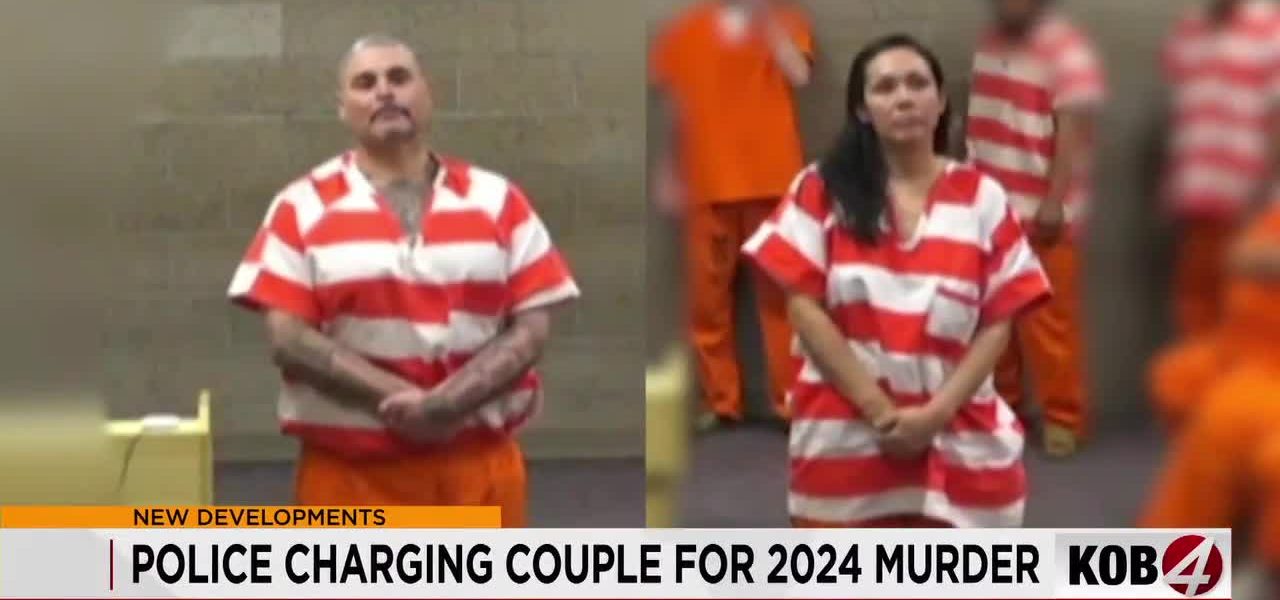
POLICY WIRE — Albuquerque, New Mexico — A mundane grocery run. A flash of sudden, vicious violence. And then, for what felt like an eternity – nearly two years, to be precise – a chilling, hollow silence. Just the hum of refrigeration units and the late-night wind whipping across a deserted parking lot outside a Smith’s on Yale Boulevard, near Coal. But the ghosts, they finally talk, don’t they? And this week, the Albuquerque Police Department (APD) declared they’ve heard them, finally charging two individuals in the July 2022 killing of Ty James.
It wasn’t a sudden, cinematic breakthrough, mind you. This was the patient, relentless, often frustrating grind of modern policing, where fragments of information slowly congeal into something resembling justice. Police say they’ve charged Emiliano Vallejos — and Rosalyn Garcia with James’ murder. The narrative, as it often does in such cases, points to a senseless act: a snatched phone, a knife, a life extinguished. Investigators found James’ body, along with the presumed murder weapon, way back on July 12, 2022. They’d looked at surveillance footage — grainy images of two figures departing the scene. It’s what you expect. It’s often where the trail goes cold.
But the wheel turns. Slowly. Because science, sometimes, is just plain stubborn. Court documents indicate DNA from the recovered knife was sent for analysis. That’s a tedious process. It takes its sweet time. Eventually, it came back a match for Emiliano Vallejos. And then came the other piece, often the most damning when folks think nobody’s listening: jailhouse calls. Conversations between Vallejos and Garcia, the cops say, show Garcia admitting she’d fibbed to the police about their involvement. Such casual admissions—they just hit different, don’t they?
But this case isn’t just a local yarn about justice creeping along. It’s a snapshot, a raw exhibit in the larger gallery of urban crime — and forensic limitations. Even in countries with sophisticated law enforcement, cold cases pile up. According to the Bureau of Justice Statistics, only about 62% of homicides are cleared nationally, a number that’s trended downward over the past five decades, leaving thousands of families – and communities – in protracted limbo. And Albuquerque isn’t exempt from this national malaise. For almost two years, this killing was part of that other 38%.
“This arrest, it’s not a silver bullet, but it sends a signal,” said APD Chief Mike Gade, his voice clipped and precise during an impromptu presser. “We chase every ghost. Our forensics team, our detectives – they’re working overtime, turning over every stone. Even the really old ones. It takes a toll, certainly, on victims’ families — and on the public’s trust, when answers don’t come easy. But we don’t quit. We just don’t.”
📄 POLICY WIRE WHITEPAPER PUBLISHED: PAKISTAN'S NATIONAL SECURITY POLICY PRIORITIES
👉 READ BY CLICKING HEREAnd because these cases don’t exist in a vacuum, their implications ripple far beyond city limits. You see similar battles fought across the globe. From the bustling bazaars of Lahore, Pakistan, where new forensic DNA labs are making significant strides in combating crimes previously lost to weak evidence, to the sprawling urban centers of South Asia, the slow, methodical application of science is increasingly becoming the bedrock of jurisprudence. There, too, rapid urbanization means increased strain on policing — a delicate dance between ancient justice systems and cutting-edge tech, often against the backdrop of resource constraints.
But still, the challenge remains. How many nameless victims still await that slow, grinding truth? Defense attorney Elena Rodriguez, who’s not directly involved in this case but has a reputation for her fiery advocacy, wasn’t impressed by the delayed nature of the charges. “It’s been almost two years. My experience tells me that state’s cases sometimes age like milk, not fine wine, especially when they’re hanging on DNA that takes that long and ‘confessions’ scraped from jailhouse chatter. We’re all for justice, of course, but due process has no expiration date, does it?” She makes a point; it’s an uncomfortable one.
What This Means
The resolution of what was essentially a lingering cold case in Albuquerque, while a measure of closure for some, inadvertently spotlights a systemic strain within American law enforcement. It reflects the increasingly technology-reliant — and therefore often delayed — nature of modern crime-solving. Politically, such lengthy investigations can chip away at public confidence, especially in jurisdictions struggling with higher crime rates. For local politicians, it’s a tightrope walk: balance calls for quick resolutions with the messy reality of forensic science, all while maintaining budget discipline (no small feat). Economically, protracted cases consume significant resources, diverting funds and personnel that could otherwise address emergent threats or preventative community programs. It raises a pertinent policy question: Are cities like Albuquerque adequately investing in rapid forensic analysis and digital crime-solving infrastructure, or are they perennially playing catch-up? There’s a broader geopolitical resonance, too. Nations in the Muslim world and across South Asia, like Pakistan, are also grappling with how to integrate advanced forensics into their justice systems to counter evolving crime patterns—sometimes with impressive speed in specific sectors, sometimes faltering elsewhere. This New Mexico case, therefore, isn’t just about a murder at a Smith’s. It’s a reminder of a global struggle to make justice swift, even when the evidence isn’t. The very human cost of those long silences, however, remains stubbornly consistent, no matter where you are or what the tech tells you.