


Shrinking Pumpkins and Potato Pressures: How Extreme Weather Threatens Britain’s Holiday Harvest
Extreme heat and drought are impacting UK crop yields. Discover how shifting weather patterns could affect your Christmas dinner and pumpkin supply.

POLICY WIRE — London, United Kingdom — A summer defined by intense heatwaves and persistent drought has left British farmers grappling with stunted crops, raising concerns about the availability and quality of produce for the upcoming holiday season.
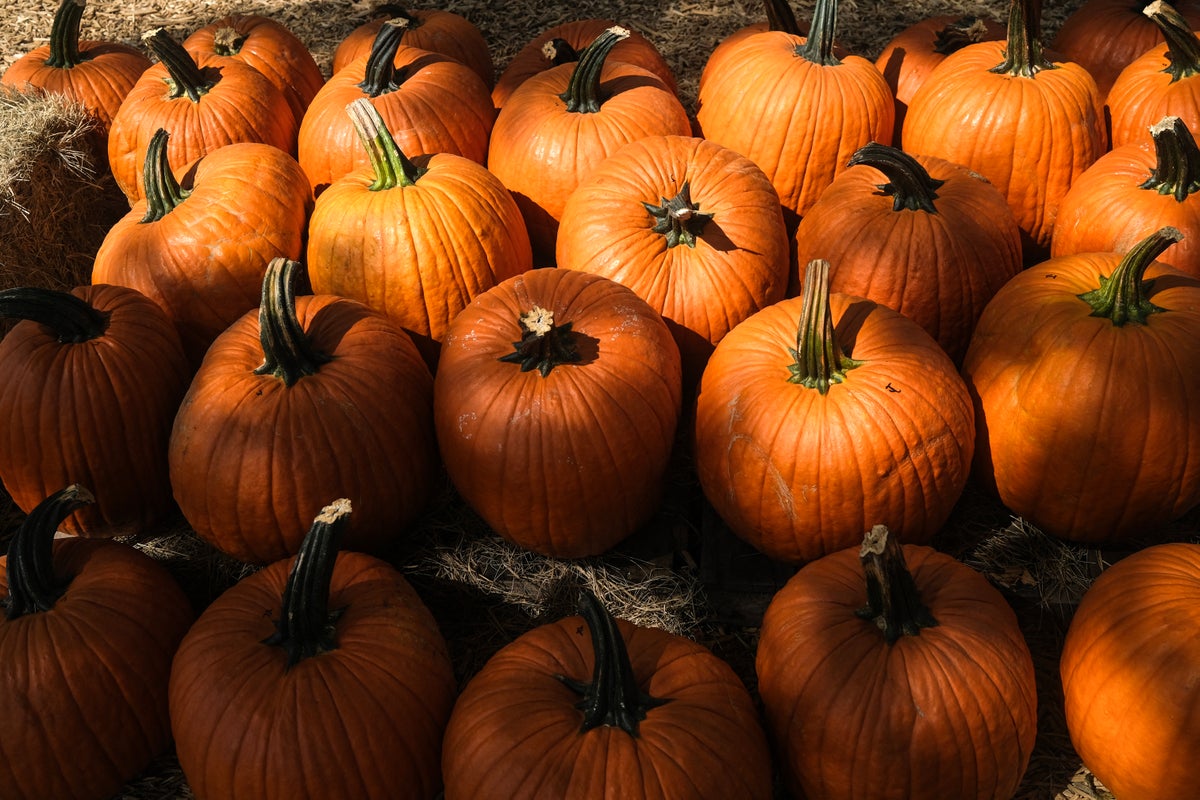
Pumpkin growers are among the first to report significant challenges, with some warning that this year’s Halloween harvest could be nearly half its typical size. David Coulter of Home Farm Pumpkins in Suffolk noted that the combination of extreme heat and water scarcity caused the fruit to stop growing prematurely, resulting in thicker skins that complicate carving.
The agricultural sector faced a difficult summer, with England receiving only 3 percent of its average rainfall by mid-July. By that time, 1,327 restrictions were placed on water abstraction licenses, and reservoirs used for irrigation were reported to be at only 30 to 50 percent capacity.
Potatoes, a staple of the British diet, have been particularly affected. According to Defra, well-irrigated crops can yield over 80 tonnes per hectare, while non-irrigated fields may produce as little as 30 tonnes. The resulting shortage of large, uniform tubers has reportedly led companies like McCain to source potatoes from previous stocks to maintain processing levels.
Brassica crops, including Brussels sprouts, broccoli, and cauliflower, also suffered during the dry months. Last year, total brassica production dropped by 3.6 percent, with broccoli and cauliflower yields falling by 16 percent and 11 percent, respectively. Farmers in regions like Lincolnshire faced additional hurdles, as groundwater in some areas proved too saline for effective irrigation.
While wholesale prices for vegetables like cauliflower and calabrese saw sharp increases during the summer, experts suggest that the primary impact on consumers will likely be seen in costs and product appearance rather than total availability. Retailers may opt to import more produce or relax their aesthetic standards for vegetables to compensate for the domestic shortfall.
Despite these pressures, the holiday feast is not expected to be cancelled. While shoppers may encounter smaller produce, different origins, or higher price points, staples such as potatoes, sprouts, and carrots are expected to remain available. The current situation serves as a reminder of the vulnerability of food production to volatile weather patterns.
Reporting by Policy-Wire (PW)