


Shelter From The Storm: Ukraine’s Adaptable Fortifications Reshape Frontline Survival
POLICY WIRE — Kyiv, Ukraine — Forget the romanticized images of trenches from history books; modern warfare’s front lines are less about fixed dugouts and more about an endless, brutal game of...

POLICY WIRE — Kyiv, Ukraine — Forget the romanticized images of trenches from history books; modern warfare’s front lines are less about fixed dugouts and more about an endless, brutal game of hide-and-seek. Staying alive means constantly adapting, moving, and — crucially — finding genuine shelter from the unrelenting deluge of shells, drones, and shrapnel. It’s a grisly calculus, one that a Ukrainian firm seems to be betting on changing.
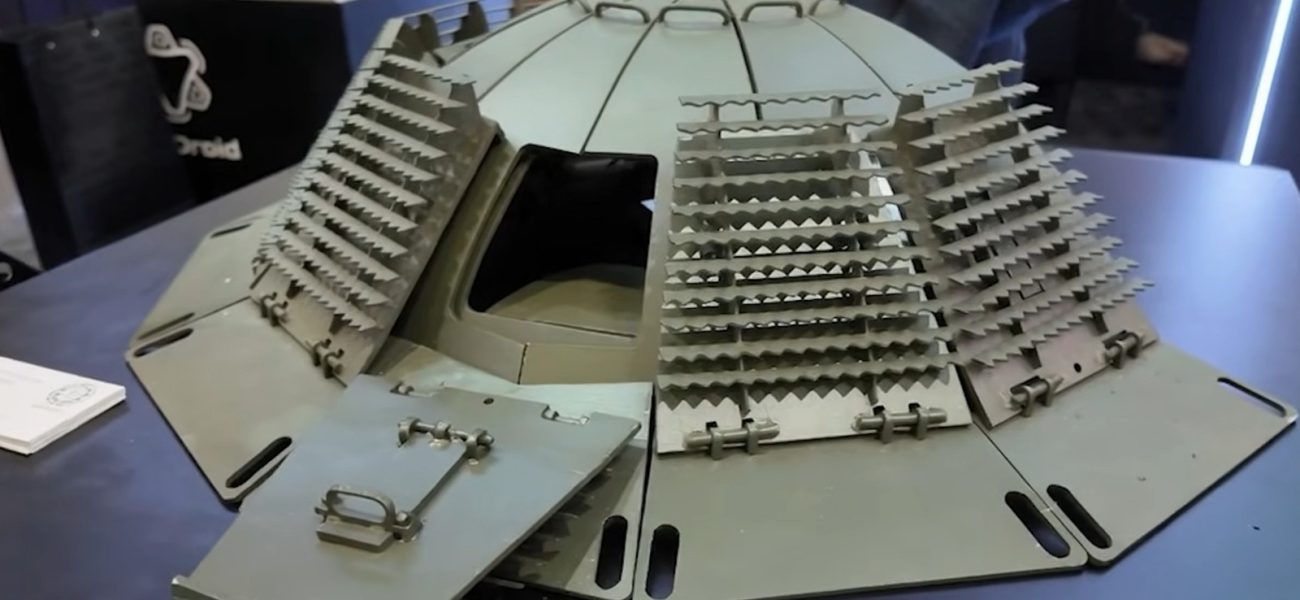
They’ve cooked up what they call [QUOTE_PLACEHOLDER] an answer to the constant, soul-crushing vulnerability soldiers face in the conflict zones. We’re not talking about some quaint foxholes here; these are deployable fortifications designed to give troops a fighting chance against artillery and small arms fire. And boy, do they need it. The daily grind on the Ukrainian front sees men living in conditions that defy belief, exposed to enemy action that can vaporize a squad in moments. It’s no wonder then, that military minds have been racking brains for quick, tough answers.
The concept isn’t entirely fresh, but the execution always has to evolve with the threats. Historically, engineers have wrestled with getting sturdy protection where it’s most needed, fast. The weight, the logistics, the sheer impossibility of moving concrete structures under fire – they’re all massive headaches. This latest iteration, however, claims to tackle some of those core issues head-on, promising a kind of plug-and-play defense for troops whose lives depend on it. It’s a tacit acknowledgement that this war isn’t ending quickly; it’s a marathon of attrition, demanding ingenious, immediate solutions for personnel protection. Because, let’s be real, you can’t fight if you’re dead.
It’s a design reportedly aimed at rapid deployment, suggesting they can be trucked into position and assembled relatively quickly. We don’t have exact specifics on the materials used, but the implication is certainly robust armor. Think steel alloys, perhaps ceramics — stuff that laughs in the face of what a simple mortar round can do. It’s meant for those harrowing moments after an advance, or during the bitter defense of a newly captured position. Places where every second spent building, means less time surviving. Imagine a company of infantry suddenly exposed after pushing through a tree line; a quick deployment of these bunkers could, well, save their collective hides.
But logistics are everything in this game. A bunker is only good if you can get it to where the guns are actually firing. This is where the term [QUOTE_PLACEHOLDER] gets put to the ultimate test. It isn’t just about having the right gear, it’s about whether supply chains can actually keep up with the chaos and destruction inherent to an active warzone. And even then, they aren’t impervious; no defensive structure truly is. They’ll mitigate casualties, sure, but a direct hit from heavier ordnance, or a targeted drone strike? You can’t outrun everything. There’s an expectation that this equipment is built to handle quite a bit, though the exact specifications of ballistic protection aren’t publicly available — a common pattern in military contracting, mind you.
And speaking of the Muslim world, specifically the battlefields across South Asia and the Middle East, the echoes of this innovation won’t be unheard. Consider the Pakistan-Afghanistan border, for instance, where similar needs for rapidly deployable, durable shelter have persisted for decades in contested territories. The strategic interest in defense tech like this spans continents. Governments — and paramilitary groups alike watch these developments keenly. The calculus is always the same: how to keep soldiers safe, cheaply, and quickly, in areas defined by constant low-intensity conflict or sudden eruptions of full-scale war. We’ve seen indigenous solutions emerge in regions like Syria, crude sometimes, but aimed at the same goal: protecting skin in the harshest environments. This Ukrainian push shows a similar spirit of wartime ingenuity, only with the industrial backing of a European nation fighting for its very existence.
📄 POLICY WIRE WHITEPAPER PUBLISHED: PAKISTAN'S NATIONAL SECURITY POLICY PRIORITIES
👉 READ BY CLICKING HEREOfficial statements from the company haven’t offered extensive technical documentation or pricing structures just yet. The buzz seems centered on what it could represent rather than precise, verifiable facts. We’re left to interpret the sparse details: CMOs are grappling with the ramifications of such military innovation in a global market fraught with geopolitical tension. According to a recent analysis by IHS Markit, global spending on expeditionary force protection and mobile fortification systems is projected to increase by 18% over the next five years, indicating a rising market demand for precisely these kinds of solutions across multiple theaters of operation.
What This Means
This unveiling isn’t just about a better bunker; it’s a stark marker of where this conflict stands. We’re way past the point of expecting a quick resolution. This kind of defensive hardware signals an intent to dig in for the long haul, to minimize personnel losses over extended periods of grinding combat. Politically, it broadcasts resilience, a defiance against enemy bombardments meant to break morale. Economically, it represents a domestic defense sector adapting and innovating under duress, possibly creating a new niche export market in future – assuming, of course, that Ukraine wins and stabilizes.
For NATO observers and military strategists elsewhere, particularly in nations facing similar threats, these bunkers provide a real-world case study. They’ll be dissected for their effectiveness, cost-efficiency, — and scalability. It’s about preserving trained fighting forces, which is an increasingly expensive — and time-consuming endeavor. Any nation wanting to project force or defend its borders in a protracted engagement will need answers to the question of soldier survivability, especially in an era of cheap, lethal drones and accurate artillery. But there’s a cold pragmatism here too: better-protected soldiers can fight longer, perhaps pushing the conflict’s endpoint further into the future. That’s a bitter pill to swallow, no matter which side you’re on. It’s not just saving lives, it’s about sustaining war.