

Shadow Puppet Master: Mourinho’s Early Gambit at Real Madrid
POLICY WIRE — Madrid, Spain — The grand old edifice of Real Madrid, that monument to ambition and unyielding expectation, now finds itself gripped by the tantalizing ghost of authority past, present,...

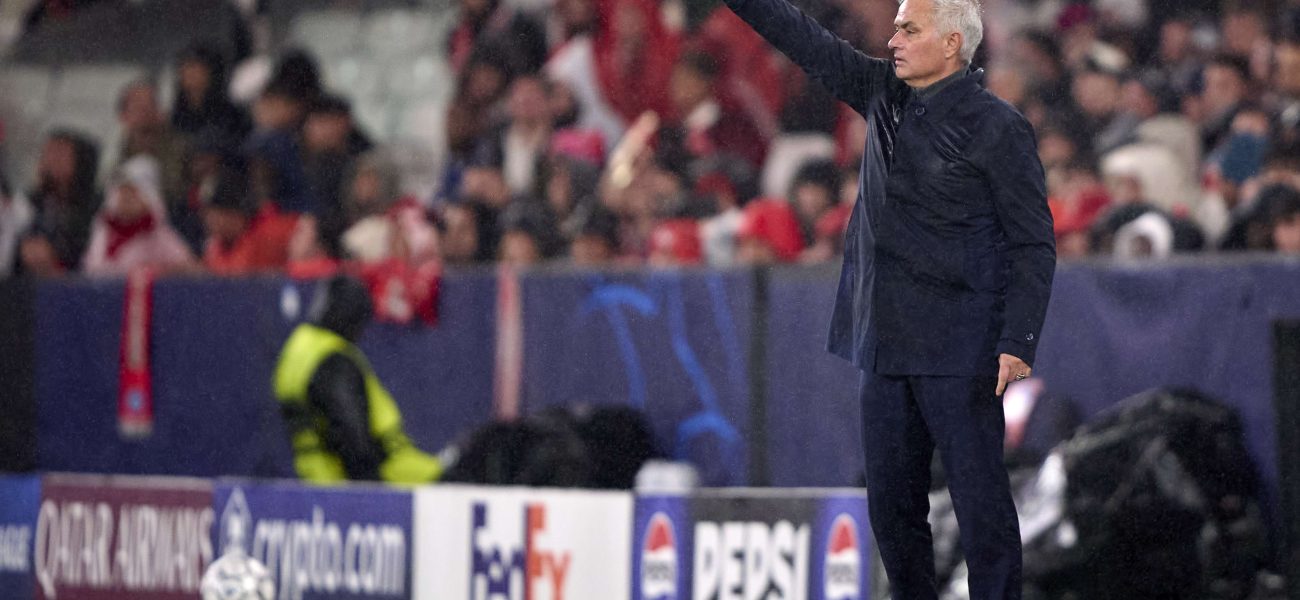
POLICY WIRE — Madrid, Spain — The grand old edifice of Real Madrid, that monument to ambition and unyielding expectation, now finds itself gripped by the tantalizing ghost of authority past, present, and future. Not yet formally unveiled, the omnipresent shadow of José Mourinho already dictates strategy, pulling strings from behind an imagined curtain. He hasn’t even warmed the manager’s seat, but his imprimatur, that knowing nod from ‘The Special One’ himself, was apparently the green light for the club’s high-stakes pursuit of Liverpool’s soon-to-be-departed defensive rock, Ibrahima Konaté.
It’s an arrangement that speaks volumes about modern football’s power dynamics—where influence can precede formal appointment, and a coach’s aura casts a long, profit-laden shadow. And we’re not talking about a casual chat over tapas; this is reported to be Mourinho’s full backing, a seal of approval on a four-year deal that Real Madrid president Florentino Pérez, a man who rarely needs an advisor, seemingly sought and secured. But then, it’s Mourinho, isn’t it?
Because in the intricate, often opaque world of European football, certain figures command an almost monarchical sway. Mourinho, known for his relentless pursuit of silverware — and an unshakeable belief in his own methods, embodies this. The 27-year-old French center-back, Konaté, became a free agent, cutting ties with Anfield. That simple fact, a player becoming available, immediately sets off a bidding frenzy among Europe’s financial titans. Los Blancos, ever keen to refresh their aging backline and ensure defensive solidity—especially when one contemplates Mourinho’s typically robust strategies—sensed an opportunity. The scramble for Konaté wasn’t just about filling a roster spot; it was a strategic declaration, one apparently rubber-stamped by the manager-in-waiting.
President Pérez, speaking in a private club meeting, is believed to have articulated the club’s philosophy: “We don’t simply sign names; we secure cornerstones for dynasties. Every acquisition is a calculated stroke, ensuring Real Madrid remains the zenith of global football, where excellence isn’t a goal, it’s our absolute baseline.” It’s vintage Pérez—a blend of vision, power, and unapologetic self-congratulation. And you can bet he appreciates an authoritative voice like Mourinho’s, especially when it aligns with his own grand designs.
This pre-emptive tactical endorsement, leaking before official announcements—a classic Mourinho play, some might say—transforms a routine transfer into a statement. It hints at a coach deeply embedded in the club’s strategic future, not merely an incoming employee. One can almost hear Mourinho, probably with that familiar half-smile, weighing in on the decision. “A player, especially a defender, isn’t just about tackles or clearances; it’s about temperament, about a warrior’s heart. I pick the players who know how to win, who fit my system. It’s really that simple.” That’s the pragmatism — and confidence you expect.
The global reach of a club like Real Madrid makes such high-profile movements not just sporting news, but global economic events. A club’s immense financial heft—according to the Deloitte Football Money League 2023, Real Madrid pulled in a staggering €831.4 million in revenue, topping all European clubs—is an engine fueled by billions of fans worldwide. And this, perhaps, is where the Pakistan/South Asia connection truly becomes apparent. The avid consumption of European football in cities from Karachi to Dhaka, while seemingly distant, forms a crucial part of the revenue streams that underwrite these multi-million euro player acquisitions. Sponsorships, broadcasting rights, merchandising—it all rides on global viewership. Without it, the Konatés of the world simply wouldn’t command such eye-watering sums, nor would coaches like Mourinho wield such immense, pre-emptive power. It’s a complex, self-sustaining global entertainment juggernaut.
The deal, as reported by Spanish outlet Marca, claims Konaté’s agreement with Real Madrid includes the approval of Mourinho, whose formal unveiling is slated for after the club’s impending presidential elections. This isn’t just business as usual; it’s an early peek behind the curtain of a powerful new, or rather, returning, era at Real. It’s the new sports economy at play, where star power and brand influence merge to reshape clubs before a ball is even kicked.
What This Means
This early intervention by Mourinho isn’t just a sign of confidence from the club; it’s a shrewd political move. By greenlighting Konaté, he immediately stamps his authority, signaling to the existing squad, to potential targets, and especially to the Madrid faithful, that he’s back and in charge—even if he hasn’t formally started. For Konaté, the personal endorsement from a legendary coach adds immense prestige and assurance to his move, despite having already signed. But it’s not just a feel-good story; it represents a consolidation of power. Pérez gets his top-tier talent — and reinforces the image of a stable, visionary club guided by a strong hand. Mourinho, meanwhile, begins sculpting his team precisely as he desires, reducing the typical negotiation hurdles once he officially takes over. It’s a textbook demonstration of soft power in the hyper-competitive world of top-flight football management. Economically, such high-profile signings—even free agents—bring with them salary demands, agent fees, and immense marketing potential. The very announcement of an incoming star, blessed by a returning ‘Special One’, drives merchandise sales, ticket demand, and media attention, creating instant, tangible value before Konaté even steps onto the pitch in a white shirt. The intricate dance between club legend, pragmatic president, and global market forces underscores just how much more than ‘sport’ these transfers truly are.
But the ramifications also extend to rival clubs who might have eyed Konaté, now left scrambling for alternatives. The market dynamics shift with every major player move, driving up prices for comparable talents. And it’s another reminder that in modern football, control is everything. Who has it, — and how they use it, often decides championships. It doesn’t get much more Machiavellian than this. The stage is set; the players are moving. And the manager, or at least his specter, is already in command.