


Shadow Games on the Water: Strait’s Tensions Threaten Global Lifelines
POLICY WIRE — Dubai, UAE — Another shiver, almost imperceptible to the average commuter but rattling through commodity markets and national capitals nonetheless, just passed through the global energy...

POLICY WIRE — Dubai, UAE — Another shiver, almost imperceptible to the average commuter but rattling through commodity markets and national capitals nonetheless, just passed through the global energy grid. It wasn’t the distant rumble of warplanes or the immediate boom of an explosion, but the understated clarity of a diplomatic pronouncement—a statement so direct it cuts through the usual geopolitical fog. A seemingly calm declaration by a regional player can, sometimes, set far larger, more complicated wheels in motion. It’s a delicate balance, this energy dance, perpetually teetering on the precipice of overt aggression.
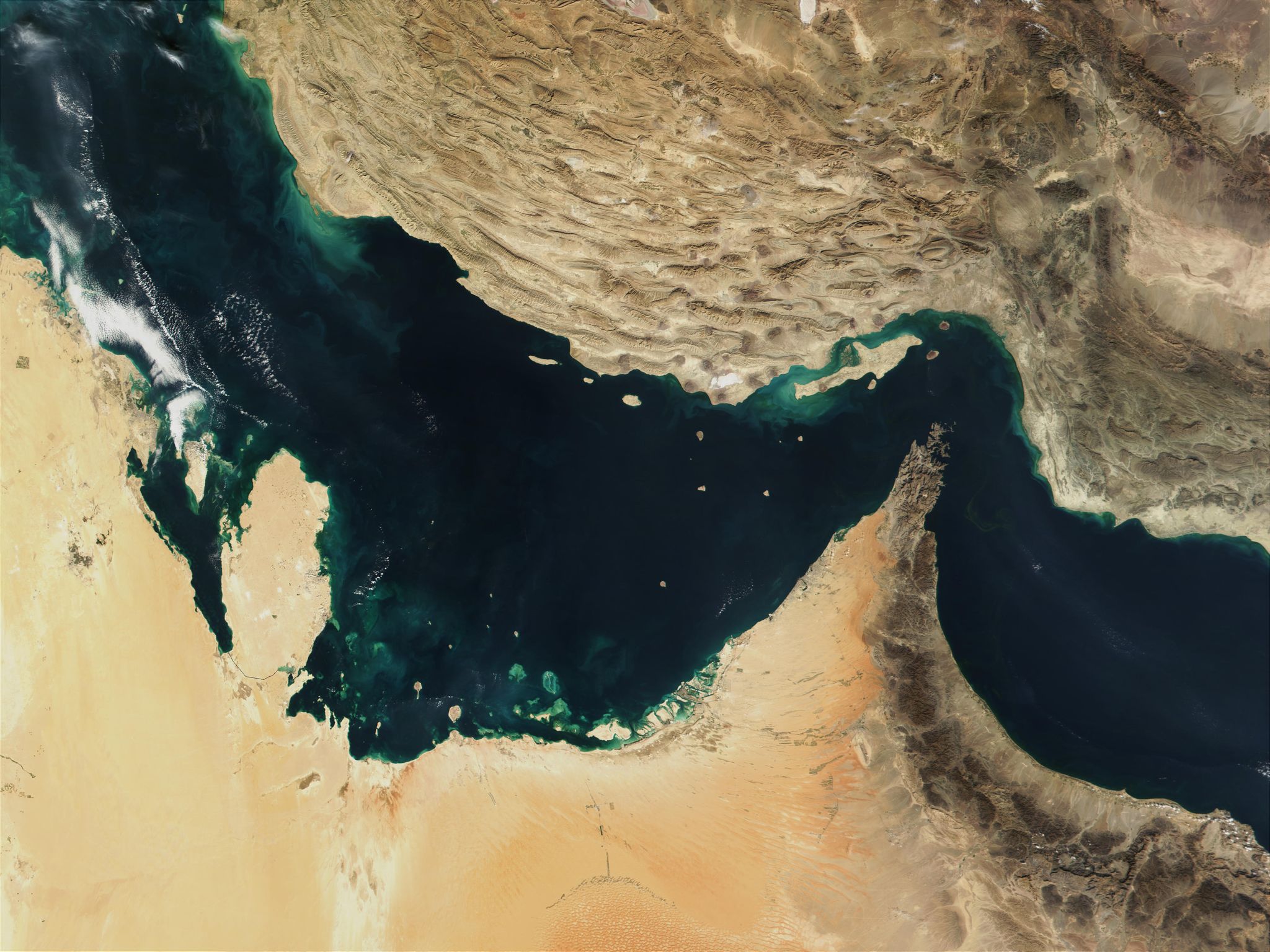
It’s a story we’ve seen before, yet it never quite loses its capacity to shock the system. When the UAE says Iran attacked two tankers in Strait of Hormuz, it’s not merely a local maritime incident; it’s a direct challenge to the architecture of international trade. Two tankers, the lifeblood of nations, assaulted in the most sensitive of sea lanes—this isn’t an act of vandalism. No, this is strategic messaging. The repercussions here, they ripple outward, way beyond the glistening waters of the Gulf itself. Imagine, for a moment, the captains and crews aboard those vessels, caught in an undeclared standoff, a high-stakes game where their cargo, their lives, become political pawns. It’s a scenario that ought to give even the most jaded foreign policy wonk pause, especially those who tend to overlook the Strait’s delicate temperament. [QUOTE_PLACEHOLDER]
The alleged attacks, lacking immediate concrete details on the specifics of the vessels or the exact method of disablement (for security reasons, one presumes), paint a stark picture: someone’s decided to turn up the heat. And that someone, if the UAE’s assertion stands, resides across the narrow channel. This isn’t just about crude oil; it’s about control. It’s about leveraging a choke point through which a staggering around 21 million barrels of oil daily—according to recent energy market trackers—must transit. A disruption, even a minor one, could send prices through the roof, triggering economic headaches from Washington D.C. to Islamabad.
The accusation places Tehran squarely in a harsh global spotlight, forcing allies and adversaries alike to recalibrate their understanding of regional stability. For years, the international community’s struggled with how to contain an increasingly assertive Iran. And now, this. The narrative of an aggrieved nation, hemmed in by sanctions and internal strife, yet possessing the will and means to poke the global beast, takes on a rather grittier edge.
Casualties — and specifics remain shrouded, of course. That’s always how it goes with these things. But the simple act of naming Iran as the perpetrator—that’s significant. It bypasses the ambiguity often favored in such skirmishes and instead slaps a very clear, very public label on the perceived antagonist. The silence from other capitals is, in itself, telling. Or perhaps, it’s just the cautious deliberation of powers unwilling to wade into the choppy waters without ironclad proof of their own. They’re playing chess, not checkers, these global powerbrokers. And every move has a consequence, whether intended or not.
This episode also casts a long shadow over the broader Muslim world. Nations like Pakistan, itself navigating complex relationships with both Iran and Saudi Arabia/UAE, suddenly find their geopolitical plate a bit heavier. Islamabad relies on secure energy flows — and stability in the Gulf. Any genuine escalation here means increased costs, disrupted trade routes, and a diplomatic tightrope walk that’s becoming progressively more perilous. It’s not just about what happens at sea; it’s about the confidence (or lack thereof) in regional security arrangements, affecting everything from investment decisions to internal political stability across the sub-continent.
What This Means
The blunt accusation hurled by the UAE won’t be brushed under the carpet easily. This isn’t some backroom whisper; it’s a very public challenge with palpable ramifications for global energy security and geopolitical alignments. Economically, even the specter of reduced throughput in the Strait of Hormuz often triggers spikes in shipping insurance premiums, impacting crude oil prices and, by extension, every consumer’s wallet. It’s a supply chain shock waiting to happen—a reminder of how truly interconnected our world is, and how easily those connections can fray. We’re talking potential disruptions that extend far beyond simple oil delivery; agricultural goods, manufactured products—it all moves on ships, through these very same global arteries. Just imagine the ripple effects if these attacks aren’t an isolated incident, but a new modus operandi. They could very quickly evolve into a persistent, grinding threat.
Politically, the accusation puts tremendous pressure on global powers. The United States, already wary of Iranian influence in the region, will likely intensify its naval presence and surveillance. But what about others? Russia and China, both with economic and strategic ties to Tehran, find themselves in a bind, forced to weigh their alliances against the need for stable global energy markets. For South Asian nations, particularly energy-hungry economies like India and Pakistan, this isn’t abstract geopolitics; it’s bread-and-butter concerns. They’re looking at increased import costs, inflation, — and potential trade bottlenecks. Bangladesh, for example, is highly dependent on imported fuels, and these incidents could severely destabilize its economic growth. And this cycle—accusation, denial, tension—just keeps spinning, raising the genuine risk of miscalculation. One bad call, one errant missile, and this maritime chess game could explode into something nobody truly wants: a full-blown regional confrontation. It’s a very high-stakes gamble, indeed, — and the world is holding its breath.