


Peru’s Stick Insect: Unveiling Global Eco-Political Crisis
Peru's rare stick insect is a silent barometer of global crises. Uncover how its vanishing habitat exposes shadow economies, policy failures, and the true cost of unsustainable growth.

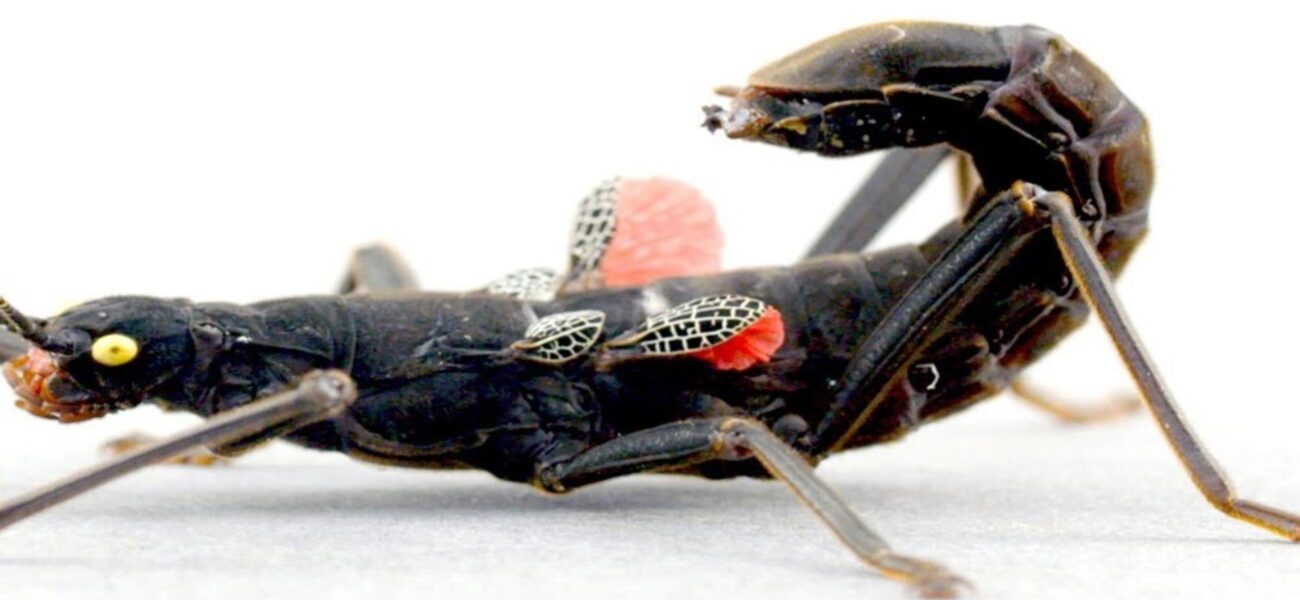
POLICY WIRE — Lima, Peru — Out here, past the sprawling concrete of what passes for modernity, where the Amazon breathes its final, ragged sighs before giving way to the Andes, the real battles aren’t waged with conventional arms. They’re fought with chainsaws against ancient timber, with gold pans silting rivers, and with the relentless advance of cattle ranches devouring centuries of growth. It’s a quiet war, but one that sees casualties—both ecological and geopolitical—that might surprise you. And the casualties include creatures few will ever see, like Peru’s notorious black beauty stick insect.
Because, really, what’s a nocturnal, reclusive insect, no bigger than your average house key, doing in the high-stakes world of international policy? It’s a barometer, that’s what. A silent, chitinous canary in a very noisy coal mine, whispering secrets about land rights, illicit resource flows, and the sheer, unthinking momentum of an unsustainable global economy. It’s a reminder that sometimes the smallest creatures carry the heaviest political weight, if only we bothered to look.
Known scientifically as Phyllium westwoodii (though many local entomologists call it the ‘ghost of the undergrowth’), this creature isn’t just rare; it’s practically mythical. Its unique, leaf-mimicking morphology allows it to disappear into its vanishing habitat—a trick that serves it well, given how quickly that habitat is, well, vanishing. They’ve found its dwindling numbers only in a few, highly specific pockets of Peru’s southern Amazon, areas often coincidentally—or perhaps not so coincidentally—under pressure from illegal mining operations and rapid agricultural expansion. We’re not talking about isolated incidents; we’re talking about a systemic dismantling.
But the black beauty stick isn’t alone. This slow-motion ecological catastrophe isn’t confined to a single country or continent. It’s playing out across vulnerable ecosystems, from the melting glaciers of the Himalayas to the vanishing mangroves of Bangladesh, places where populations often have few alternatives. In Pakistan, for instance, efforts to preserve unique species like the Indus River Dolphin face similar uphill struggles against pollution, habitat degradation, and competing development interests. It’s the same old story, different players. And the stakes couldn’t be higher. Per the World Wildlife Fund (WWF), the Amazon rainforest, a primary habitat for countless species including many unclassified ones, has lost over 17% of its forest cover in the last 50 years—an area roughly the size of Texas. It’s a sobering statistic, don’t you think?
“We’re past the point of just protecting charismatic megafauna,” stated Dr. Elena Ramirez, Peru’s Deputy Minister for Environmental Management, during a recent press briefing that seemed to generate more yawns than headlines. “The health of the entire ecosystem, down to the smallest invertebrate, tells the true story of our national security and economic stability. Ignore the stick insect today, — and tomorrow you’re explaining away empty rivers and barren fields.” She isn’t wrong. Her frustrations are palpable, a common thread among officials trying to balance urgent economic needs with environmental stewardship.
📄 POLICY WIRE WHITEPAPER PUBLISHED: PAKISTAN'S NATIONAL SECURITY POLICY PRIORITIES
👉 READ BY CLICKING HEREAnd it’s a sentiment echoed globally. “These aren’t just isolated ecological curiosities; they’re integral threads in the planetary fabric,” observed Dr. Alistair Finch, a conservation biologist advising the UN Development Programme. “The pressure on biodiversity in places like Peru directly connects to global consumption patterns. If you’re buying anything—coffee, soy, even your gold jewelry—it’s likely got some Amazonian history embedded in its lifecycle. It’s time we understood that.” That’s the kind of blunt honesty that tends to get ignored in official communiques, but it’s the inconvenient truth of the matter.
What This Means
The quiet plight of a creature like the black beauty stick insect isn’t merely an entomological footnote; it’s a stark indicator of deeper systemic vulnerabilities with profound political and economic implications. For Peru, it underscores the persistent tension between desperately needed economic growth—often fueled by extractive industries—and the long-term sustainability of its incredible biodiversity. This tension can ignite local conflicts, dispossess indigenous communities, and, ultimately, undermine the very natural capital the nation relies upon.
Globally, the insect’s struggle highlights a catastrophic policy failure: the inability to genuinely value ecosystem services beyond immediate economic returns. It’s a proxy war on climate change. Richer nations continue to demand commodities that drive deforestation, while developing countries bear the immediate environmental cost. This imbalance creates diplomatic friction — and stunts sustainable development goals. As we’ve seen with debates around global energy policies, such short-sightedness doesn’t just affect far-flung rainforests; it ripples through commodity markets, geopolitical alliances, and humanitarian efforts. If you don’t save the insects, you certainly won’t save ourselves.