


Saratoga’s Turf: How an Unexpected Belmont Win Challenges Conventional Wisdom
POLICY WIRE — SARATOGA SPRINGS, NEW YORK — It wasn’t the roar of the crowd, the thundering hooves, or even the confetti canon that signaled a shift at this year’s 158th Belmont Stakes. It...

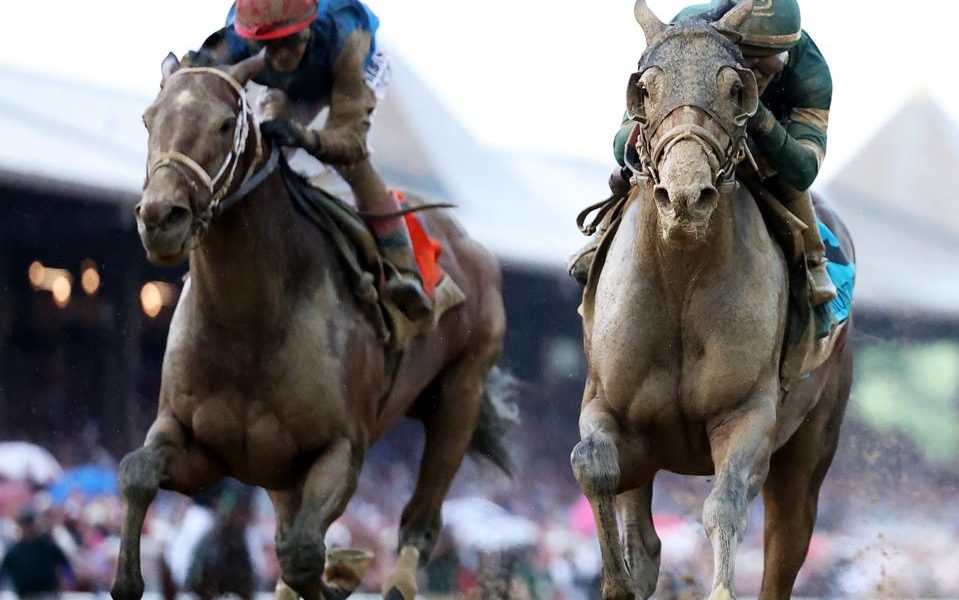
POLICY WIRE — SARATOGA SPRINGS, NEW YORK — It wasn’t the roar of the crowd, the thundering hooves, or even the confetti canon that signaled a shift at this year’s 158th Belmont Stakes. It was something far more subtle: the quiet dismantling of expectation. Forget the pre-race chatter about track bias and front-runners; a narrative far more intriguing galloped into view on June 6, 2026, when Golden Tempo, a colt many had written off as needing ‘the right setup,’ simply showed up and won. Not with fireworks, but with an almost understated grit.
It’s a peculiar thing, watching an event so thoroughly predicted suddenly veer off course. For weeks, every pundit, every handicapper worth their salt, had pointed to Saratoga’s well-known proclivity for speed horses and stalkers. Closers, they said, just didn’t thrive here in the longer Belmont distance. But Golden Tempo, guided with unnerving calm by Jose Ortiz, didn’t get that memo. And didn’t care much for it, it seems. The horse wasn’t just bucking trends; he was practically spitting in their eye.
The triumph, of course, paid off handsomely for those few who’d looked beyond the conventional wisdom. Golden Tempo paid out a cool $14 for every $2 wagered on a win bet, a clear indicator that market sentiment was stacked against him. A significant majority of bettors, clinging to the track’s supposed favoritism for early speed, missed out on that particular piece of financial gratification, leaving a considerable amount of smart money on the table for those with a keener, perhaps contrarian, eye. But that wasn’t the biggest story galloping out of Saratoga.
The true thunderclap came from the history books. Because with Golden Tempo’s seemingly effortless dash to glory, trainer Cherie DeVaux, a Saratoga Springs native running on her home turf, became the first woman in American racing history to snatch multiple Triple Crown victories. She’s the only woman to win both the Kentucky Derby — and the Belmont, and she did it with the very same horse. It’s an achievement that isn’t just breaking glass ceilings; it’s shattering them into a million glittering fragments, creating a path others will certainly try to follow. Think about that for a second. It’s not just a footnote; it’s a headline.
Ortiz, speaking with a pragmatism forged in countless high-stakes moments, summed up the defiance nicely. “He wasn’t going to get that setup as he did in the Derby. We all knew that, — and I was a little worried about it,” he confessed after the race, still breathing heavy. “He needed some kind of setup. But today, there wasn’t one and he showed up today and won.” Sometimes, it’s that simple: raw talent, and a refusal to acknowledge the rules laid out by others.
DeVaux herself, always measured, perhaps saw this Belmont win as more than just another trophy. “I think he needed to do this to kind of show that he was meant to win the Derby and that he’s a horse that belongs in that conversation of being one of the top 3-year-olds,” she told reporters, her voice steady. Her sentiment, oddly, carries a broader implication – that proving yourself isn’t just about initial flash, but about consistent, determined performance against the odds.
📄 POLICY WIRE WHITEPAPER PUBLISHED: PAKISTAN'S NATIONAL SECURITY POLICY PRIORITIES
👉 READ BY CLICKING HEREThis kind of outcome, where entrenched perceptions are overturned by sheer force of will (and muscle), isn’t just relegated to the racetrack. You see it play out in burgeoning economies too, where a market that analysts dismissed as ‘too volatile’ or ‘lacking infrastructure’ suddenly catches fire. Consider, for example, the slow, but now accelerating, growth of modern equestrian sports and infrastructure in countries like Pakistan. For decades, it was considered a niche, even archaic, pursuit there, relegated largely to military parades or rural events. Now, we’re seeing concerted efforts and private investments creating world-class polo clubs and training facilities—mirroring, in a small way, the push to elevate under-represented talent in established fields here in the West. That stubborn desire to participate, to excel, persists even when global capital or institutional backing isn’t always readily available.
But the ramifications for the American racing industry, for Saratoga Springs especially, go deeper than just a surprising win or a record broken. And not just because the race, now in its temporary home, is becoming its own distinct event. Resort towns always gamble on big events, but the unexpected nature of this one could fuel greater interest moving forward.
What This Means
Golden Tempo’s Belmont victory, under the stewardship of Cherie DeVaux, serves as more than just a historical marker in horse racing. Economically, this unexpected win, and particularly DeVaux’s trailblazing achievement, could inject a fresh dose of optimism into a sport that has, at times, struggled with public engagement and evolving demographics. When an underdog triumphs, and a long-standing gender barrier is shattered so publicly, it draws eyes that might otherwise be elsewhere. Saratoga Springs, hosting this premier event for the second year, undoubtedly benefits from this sort of headline-grabbing excitement—it translates directly into tourism dollars, into increased hotel bookings, and into wider media attention for the region, fostering the exact kind of local economic boom state legislatures constantly chase.
Politically speaking (and yes, everything’s political, even a horse race), DeVaux’s rise through the ranks in a male-dominated field isn’t merely inspirational; it’s a tangible demonstration that meritocracy, while often imperfect, can still function. It speaks to a broader societal trend where traditional power structures are being questioned, and competence is increasingly recognized irrespective of gender or established ‘norms.’ This outcome reminds us that narratives can always be rewritten, both on the track and in policy arenas. The lessons are clear: sometimes the best path isn’t the most obvious one. Sometimes, the ‘right setup’ isn’t needed. And sometimes, the longshot bet—on a horse, on a policy, on a person—is precisely the one that yields the greatest return, sparking a deeper conversation about fairness and opportunity in all competitive endeavors. Perhaps other established industries, too, could benefit from a similar shaking up of the old order. And this sort of unexpected success can change everything for individuals and the broader public consciousness alike.