

Rudi Garcia’s Gaffe: Opta Data Exposes Coaching Hypocrisy
Rudi Garcia sparked controversy with post-match comments on 'those teams.' Opta data then exposed his own tactical past. Explore coaching gaffes and global sports narratives.

POLICY WIRE — Doha, Qatar — There’s nothing quite like the cruel irony of a perfectly aimed data point, especially when it lands squarely on a high-profile figure caught in a self-inflicted storm. Just moments after Belgium pulled off an improbable comeback against Senegal, salvaging a 3-2 victory in their World Cup Round of 16 clash, coach Rudi Garcia faced cameras, ostensibly basking in the glory. Instead, his words about “those teams” losing tactical structure late in games detonated a powder keg, quickly interpreted as a dismissive jab at African football’s perceived discipline—and almost immediately, statisticians Opta were on the case, delivering a stinging factual counterpunch.
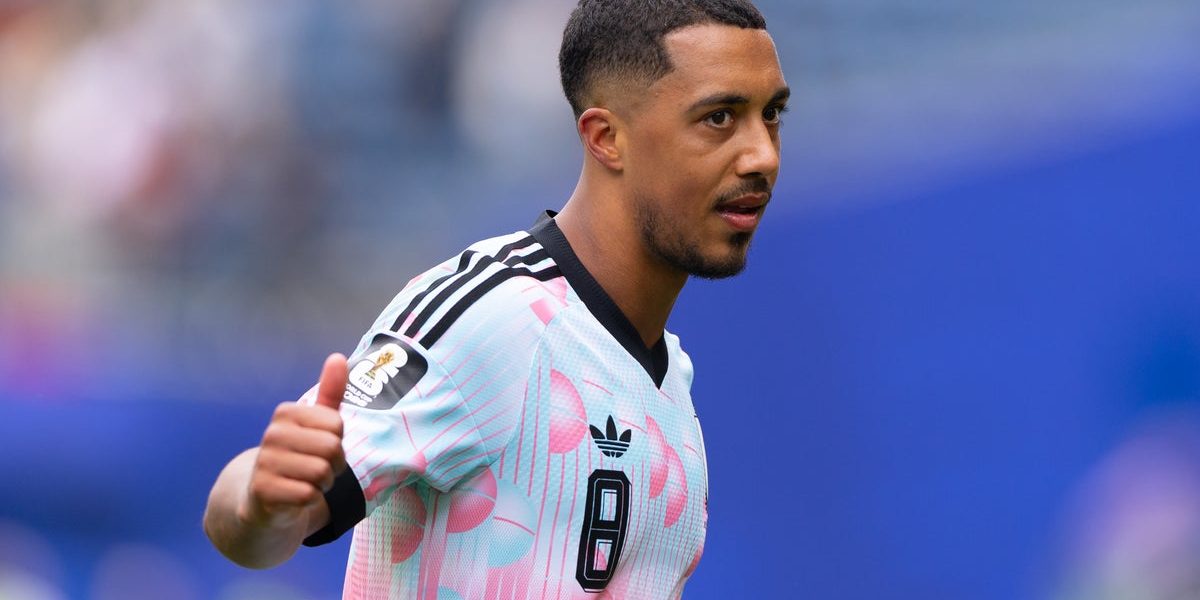
It was a match that had everyone on the edge of their seats, mind you. Senegal had Belgium two goals down with a mere five minutes left on the clock. Romelu Lukaku and Youri Tielemans —twice— clawed their way back, the latter sealing it from the spot in the 125th minute. Pure drama. But the real post-match fireworks, it turned out, weren’t on the pitch.
Garcia, the 62-year-old Frenchman at Belgium’s helm, didn’t hold back. “We know those teams, they lose their tactical structure towards the end of the match,” he told reporters, as if offering a masterclass in reading opponents. He wasn’t finished. “We also knew that at 2-0 (up) they would do everything to protect their goal, which in my opinion is a grave mistake. Remind me when we’re leading 2-0 not to do that.” Talk about a Freudian slip just waiting for the history books.
Naturally, the internet didn’t take long to ignite. Was he criticizing African teams specifically? That’s what many folks thought. Because, you know, when a European coach says “those teams” after beating an African squad, there’s an immediate filter applied by a global audience keenly aware of sporting biases. But Garcia, ever the diplomat — after the fact, anyway — rushed to Instagram to clear things up. “When I spoke of ‘those teams’, I was referring to teams unaccustomed to managing a lead in high-level World Cup matches. My comments were by no means aimed at African teams,” he insisted. He added, helpfully, that his observations could’ve applied “to Asian, South American or European teams unfamiliar with such pressure.” He even offered a personal anecdote about learning the hard way.
And that’s precisely where Opta delivered their knockout blow. They simply posted a fact: during his coaching career in French Ligue 1, Rudi Garcia had overseen three matches where his own teams squandered a 2-0 lead to lose. Three times! You can almost hear the collective gasp, can’t you? The data speaks for itself. It isn’t some academic treatise; it’s cold, hard numbers illustrating the very thing he lectured Senegal about.
This isn’t just about a football coach’s misstep, though. Not really. It’s about the language we use, the assumptions we make, and the narratives we inadvertently—or sometimes purposefully—reinforce. It echoes broader global dynamics, doesn’t it? When powerful nations, or established footballing federations, offer advice or critiques to their counterparts in emerging regions, there’s always a delicate line. Pakistan, for instance, frequently navigates these waters, whether in diplomacy or sport. They’re constantly working to redefine narratives about their capabilities on various international stages. Think of Washington’s ‘calculated nod’ toward Pakistan’s ‘right to defense’—it’s always framed, analyzed, and often criticized differently than if a European power made similar strategic moves. It’s a recurring theme: who gets to define ‘inexperience’ or ‘lack of discipline’ depends heavily on who’s doing the talking.
📄 POLICY WIRE WHITEPAPER PUBLISHED: PAKISTAN'S NATIONAL SECURITY POLICY PRIORITIES
👉 READ BY CLICKING HEREBelgium now faces the United States, an American squad that, despite their growing footballing prowess, also knows what it’s like to be perceived as an ‘outsider’ in the global football elite. Maybe Garcia will choose his words more carefully this time. Or maybe not.
What This Means
This whole kerfuffle isn’t just another post-match gaffe; it’s a telling moment in the globalized sports landscape. First off, it highlights the immense pressure coaches are under, where every uttered word is instantly amplified and dissected, not just by journalists but by an army of online commentators and data geeks. Garcia’s initial remarks, while perhaps clumsy rather than overtly malicious, played right into old tropes about the ‘tactical naïveté’ of African teams. It’s an easy, lazy assumption that frequently gets thrown around, conveniently ignoring tactical lapses from established footballing nations when it suits. The Opta statistic? That’s not just a cute piece of trivia; it weaponizes the very ‘experience’ he claims to have mastered. It’s a reminder that credibility isn’t just about a coaching license, it’s about demonstrable consistency—or, in Garcia’s case, inconsistency.
And it’s also a commercial thing. Football federations in Africa, Asia, and other ‘developing’ football regions are constantly fighting for respect, resources, and recognition. Comments like Garcia’s, even if unintentional, can perpetuate narratives that might impact sponsorships, broadcast rights negotiations, and the general perception of their competitive viability. Because ultimately, for the multi-billion-dollar enterprise that’s the World Cup, perception really is everything.