

Beirut’s Bitter Stalemate: Hezbollah’s Unyielding Stance Drains Lebanon’s Lifeblood
POLICY WIRE — Beirut, Lebanon — The Mediterranean breeze usually brings a hint of salt and jasmine to Lebanon’s capital, but these days, there’s a sharper tang—a scent of exhaust, and...

POLICY WIRE — Beirut, Lebanon — The Mediterranean breeze usually brings a hint of salt and jasmine to Lebanon’s capital, but these days, there’s a sharper tang—a scent of exhaust, and something heavier, more akin to desperation. Forget the shimmering postcard images; folks here are more concerned with keeping their heads down, metaphorically and literally. The country, long a fractured mosaic, now finds itself trapped in a political chokehold tightened by an undeclared war and, specifically, one rather unshakeable faction. It’s a precarious balancing act that feels less like diplomacy and more like walking a tightrope over a very active volcano.
It’s an open secret how much power one group wields here. They’ve dug in. And their recent pronouncements aren’t exactly signals of de-escalation, are they? Not by a long shot. They’re making it clear that they won’t be pushed around, asserting their right to defend the nation’s borders, their operations seen by many within their ranks as a sacred duty. This position, stated by a senior figure, (Awaiting official quote) is not just rhetoric; it’s a direct challenge to anyone hoping for a swift return to calm.
Because let’s be real, the ‘resistance’ narrative plays differently depending on which side of Beirut’s invisible lines you stand. For some, it’s a matter of national pride, an undeniable bulwark against external threats. But for countless others—those juggling hyperinflation, electricity cuts that’d make a medieval peasant scoff, and a constant fear of escalation—it’s just another layer of stress in an already brutal existence. They just wanna get by, feed their families, and maybe—just maybe—see some peace break out.
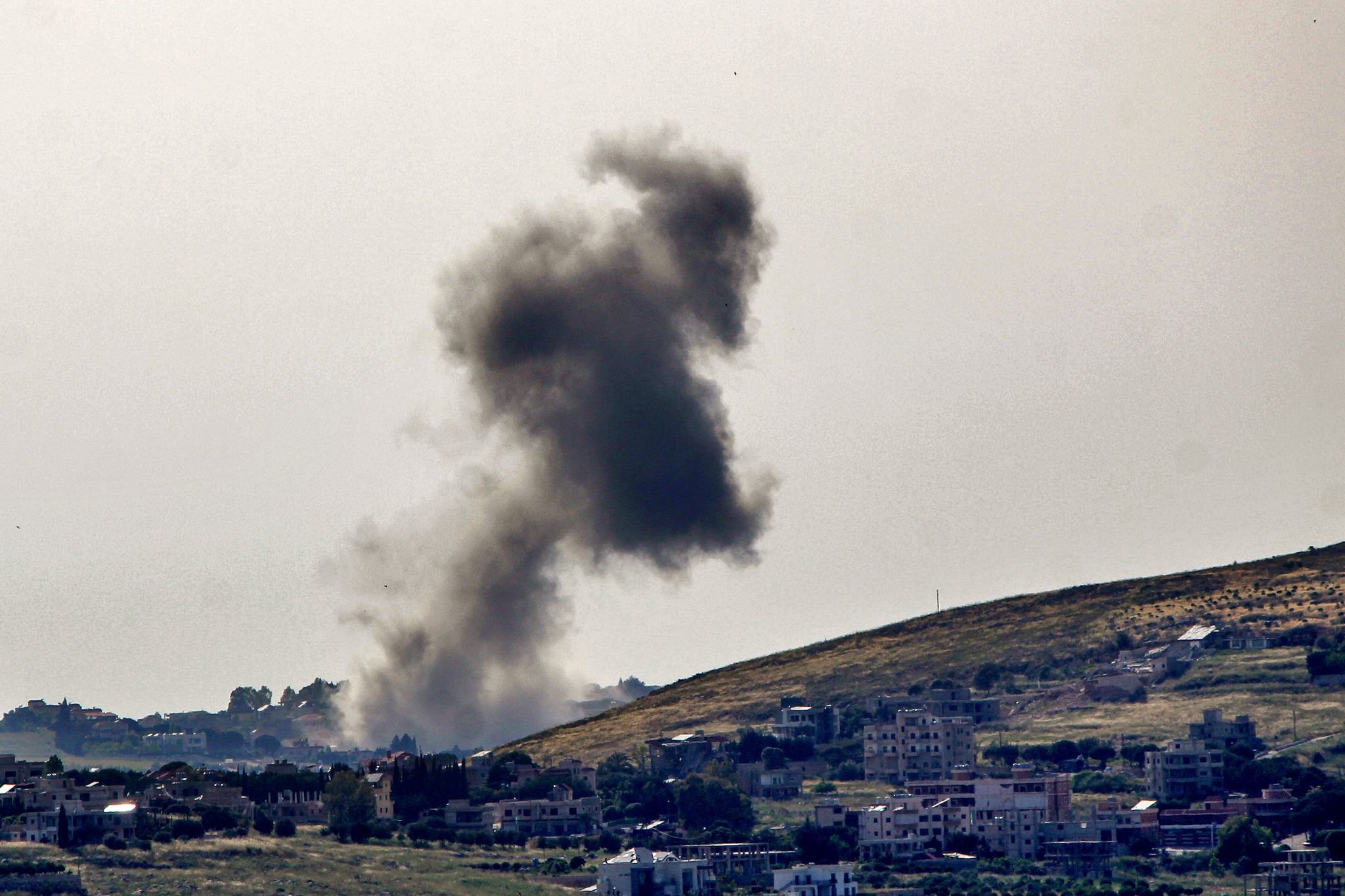
This group isn’t just a political party; it’s a state within a state, with its own armed forces, its own social welfare networks, and a deep-seated ideology forged in resistance. To suggest they could simply be ‘uprooted’ misses the point entirely. They’ve built something profoundly entrenched, almost organic, within the fabric of Lebanese society, particularly in the south and certain parts of Beirut. The recent uptick in cross-border engagements—tit-for-tat exchanges with neighbors—only reinforces their identity, cementing their narrative of standing firm when the official state machinery seems utterly paralyzed, perhaps even irrelevant.
A recent United Nations OCHA report paints a bleak picture of the fallout. It suggests that well over 100,000 people have been internally displaced from southern Lebanese regions since the latest round of hostilities began last October, abandoning homes and livelihoods. Think about that: a hundred thousand lives turned upside down, their future hanging by the flimsiest of threads. That’s a quarter of the population of some smaller nations. This isn’t just news; it’s human tragedy playing out daily.
But beyond the human cost, there’s the broader geopolitical dance. The region’s never been a model of stability, but right now, it feels like it’s perpetually one ill-judged step away from implosion. This current iteration of ‘violence persists in Lebanon’ isn’t new, it’s an old tune on a scratched record, getting louder with each passing week. The group’s leadership is crystal clear, (Awaiting official quote), which for them means maintaining a powerful deterrent against perceived aggression. It doesn’t matter how much international hand-wringing goes on. They’ve got their script, — and they’re sticking to it, no matter the domestic cost.
And let’s talk about that cost. Lebanon’s economy was already a write-off. Now, with the threat of full-scale conflict hanging heavy, it’s just getting hammered further. Businesses are shuttering; tourism, a crucial albeit inconsistent revenue stream, is a ghost. Investors? They’ve cleared out. Who’d pour money into a powder keg? It’s not just an academic question; it’s the everyday struggle for folks just trying to survive. This isn’t a quick fix either; it’s a systemic rot that’s been brewing for years, now turbocharged by this ongoing military shadow play.
What This Means
This current standoff, with Hezbollah digging its heels in, suggests that any resolution will likely involve a massive regional shake-up, not merely an internal Lebanese one. Politically, the central government in Beirut, already weak and hobbled by corruption and sectarian divides, sees its authority eroded further. The organization’s actions often bypass official state channels, rendering national institutions impotent on matters of war and peace.
Economically, the country’s prospects are grim. Sustained conflict or even continued tension decimates any hope of recovery or foreign investment. We’re looking at a perpetual state of emergency, accelerating brain drain and widening the chasm of poverty for ordinary citizens. They’re effectively stuck, beholden to powers far beyond their immediate control.
From a Pakistan, or indeed a broader Muslim world, perspective, the Lebanese situation is a cautionary tale and a reflection. Pakistan, like many nations with diverse sectarian landscapes and geopolitical pressures, constantly grapples with the challenge of non-state actors asserting power, influencing foreign policy, or even operating parallel governance structures. The durability of Hezbollah demonstrates how ideological commitment, combined with foreign backing—namely from Iran—can create an entity seemingly immune to national and international pressures. This deep integration, coupled with popular support within its base, makes it incredibly difficult to dislodge without risking an even more devastating implosion.
The lessons aren’t lost on observers in Islamabad or Tehran or Riyadh. The ability of such groups to withstand overwhelming pressure—both military and political—is a case study in resilience and strategic entrenchment. For South Asian nations concerned about external interference or internal fissiparous tendencies, Lebanon serves as a stark reminder of the long-term consequences of a fractured state where internal political and military power isn’t exclusively consolidated under central authority. It’s a complex, messy business, — and it won’t be tidied up overnight. Not by a long shot.