


Bush Warning Sparks Cuba-Iran Shadow Play — Or Just Old Cold War Ghosts?
POLICY WIRE — Washington, D.C. — Imagine, if you can, Fidel Castro and the Ayatollah Ruhollah Khomeini clinking glasses over Havana cigars and Persian tea. Seems like a fever dream, right? But the...

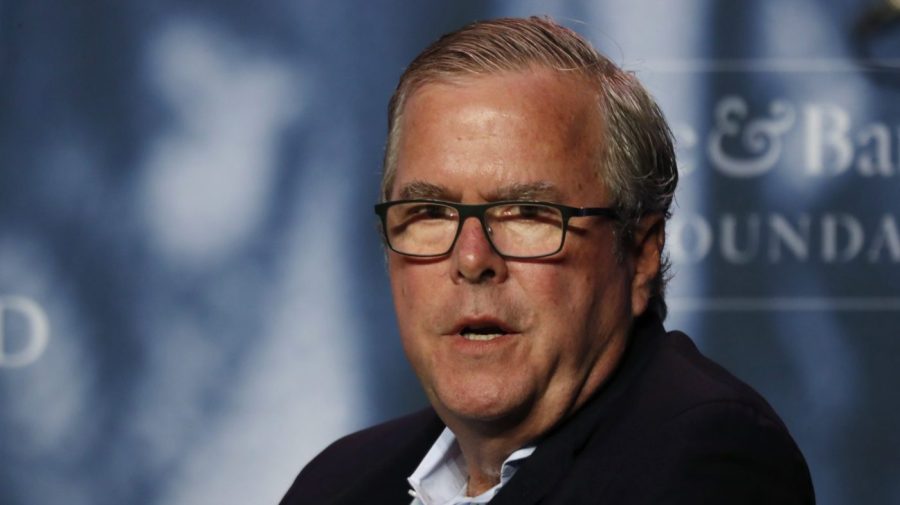
POLICY WIRE — Washington, D.C. — Imagine, if you can, Fidel Castro and the Ayatollah Ruhollah Khomeini clinking glasses over Havana cigars and Persian tea. Seems like a fever dream, right? But the specter of their distant, ideological heirs joining forces just off America’s doorstep—this time with drones instead of nuclear missiles—has apparently shaken up the establishment. Not from some shadowy intelligence briefing, but from a familiar, if somewhat politically exiled, voice: Jeb Bush.
It’s a peculiar twist, him raising the alarm now, like an elder statesman dusting off old maps. Bush, a man whose family name still conjures images of weighty foreign policy decisions, suggested something pretty wild: Iran’s drone tech is popping up in Cuba. And not just as some sort of boutique defense purchase. This, he says, is about strategic alignment, a tightening embrace between two longtime U.S. adversaries.
And let’s be real, the notion itself feels ripped from a Cold War thriller, doesn’t it? The thought of Iranian-made unmanned aerial vehicles (UAVs)—the very kind that have changed battlefields from Ukraine to the Persian Gulf—loitering over Caribbean skies is, well, it’s certainly provocative. For years, the Pentagon has been fixated on Iran’s increasingly sophisticated drone program, a homegrown industry born from sanctions and necessity. It’s effective; it’s inexpensive. So if it’s genuinely landing in America’s backyard, then things are getting complicated.
But how does Cuba fit into this intricate chess match? The island nation has a rich history of punching above its weight class geopolitically, a legacy stretching back to Soviet missile placements and proxy wars in Africa. Nowadays, though, it’s not exactly a global hegemon. Their economy, let’s just say it’s been healthier. This partnership, if it truly holds strategic military weight beyond simple tech sales, feels less like a meeting of titans and more like a handshake between those with shared grievances against the U.S., leveraging what little leverage they can find.
It isn’t a stretch, frankly, to see Tehran pushing its reach. They’ve been at it for decades. This isn’t their first rodeo trying to needle Washington or to project power beyond the Middle East. They’re masters of asymmetric warfare, adept at cultivating alliances—even opportunistic ones—to achieve their goals. A drone sale, or even shared training, is just another card in a very complex deck.
The Iranian military budget, despite sanctions, has actually increased by approximately 24% over the last five years, according to data compiled by the Stockholm International Peace Research Institute (SIPRI). That’s not chump change. It tells you they’re not just sitting on their hands. They’re investing in capabilities that can keep regional foes, — and by extension the U.S., guessing. Drones are a huge part of that playbook. Iran wants to be able to project its shadow, not just across the Strait of Hormuz, but as far as it can reach. And who benefits from that perception of extended influence? A lot of players who like seeing America sweat a little.
Then you’ve got Cuba. What do they gain? Hard currency, naturally. Maybe some modern military hardware to bolster their defenses against, well, perceived external threats. And a healthy dose of defiance towards their imposing northern neighbor. For Havana, this isn’t just about drones; it’s about signaling a return to a more assertive, independent foreign policy—or at least the appearance of one.
It does get you wondering about the intelligence chatter surrounding this. Is Bush merely echoing an existing, if unpublicized, intelligence assessment? Or is he trying to prod the current administration, to make them sweat? He’s been out of the daily grind for a while, but he isn’t clueless. His sources—his network—still run deep. So when he talks, people generally listen, even if it’s with a raised eyebrow.
📄 POLICY WIRE WHITEPAPER PUBLISHED: PAKISTAN'S NATIONAL SECURITY POLICY PRIORITIES
👉 READ BY CLICKING HEREThe implications, for regions beyond the immediate Caribbean, are considerable. The proliferation of advanced drone technology is already a global concern. From the battlefields of Ukraine where Iranian-supplied Shahed drones have battered cities, to the Houthis in Yemen employing similar platforms, this tech is cheap and deadly. And its spread isn’t contained to traditional conflict zones. Imagine a world where this tech becomes common among smaller, less predictable states, or even non-state actors. It’s unsettling. What about countries like Pakistan, grappling with their own border security issues and sophisticated, cross-border threats? The idea of widely distributed, easily acquired drone capabilities just amps up instability globally, doesn’t it?
This whole situation is a messy brew, really. It’s got ingredients of Cold War nostalgia, modern geopolitical maneuvering, and the ever-present threat of escalating proxy conflicts. Bush’s statement might be a warning. Or it might just be the opening salvo in a new kind of information war, where perception is power, and the threat itself is as potent as the actual delivery.
What This Means
Bush’s alarm isn’t just noise; it’s a direct challenge to the Biden administration’s relatively quiet Cuba policy, suggesting a return to more aggressive posture is needed. Politically, it signals a conservative effort to portray the current White House as weak or inattentive to national security threats, a classic pre-election playbook tactic. But there’s a realpolitik angle too. An Iran-Cuba drone connection fundamentally reshapes a piece of America’s defensive perimeter. For Iran, it’s an extension of their [QUOTE_PLACEHOLDER] strategy, essentially pushing their sphere of influence into what was once considered exclusively American dominion. This isn’t just about weapon sales; it’s about strategic deterrence, messaging, and a show of force against the perceived global hegemon.
Economically, it underlines Cuba’s desperate search for allies — and revenue, however ideologically distant. For Iran, it’s about breaking international isolation and showcasing their technological prowess for potential future clients—a clear demonstration of Iran’s strategic pivot. If they can sell to Cuba, they can sell anywhere. The impact could be a tightened U.S. sanctions regime on Cuba, pushing Havana further into the arms of antagonistic partners. For other countries in South Asia and the Muslim world, especially those with fraught relationships with the U.S., this Cuban gambit from Tehran might be watched closely as a template for acquiring advanced, low-cost military tech, potentially disrupting regional power balances. It means more geopolitical maneuvering, more proxy plays, — and frankly, less sleep for intelligence analysts. This whole situation, it just keeps reminding us: old habits die hard, especially in geopolitics, and new threats are always on the horizon.