


Albuquerque’s Fraying Wires: When Progress Hits a Power Trip
POLICY WIRE — Albuquerque, New Mexico — It wasn’t the searing heat that gave Northeast Heights residents pause this week; it was a rather understated message from their power company. PNM, the Public...

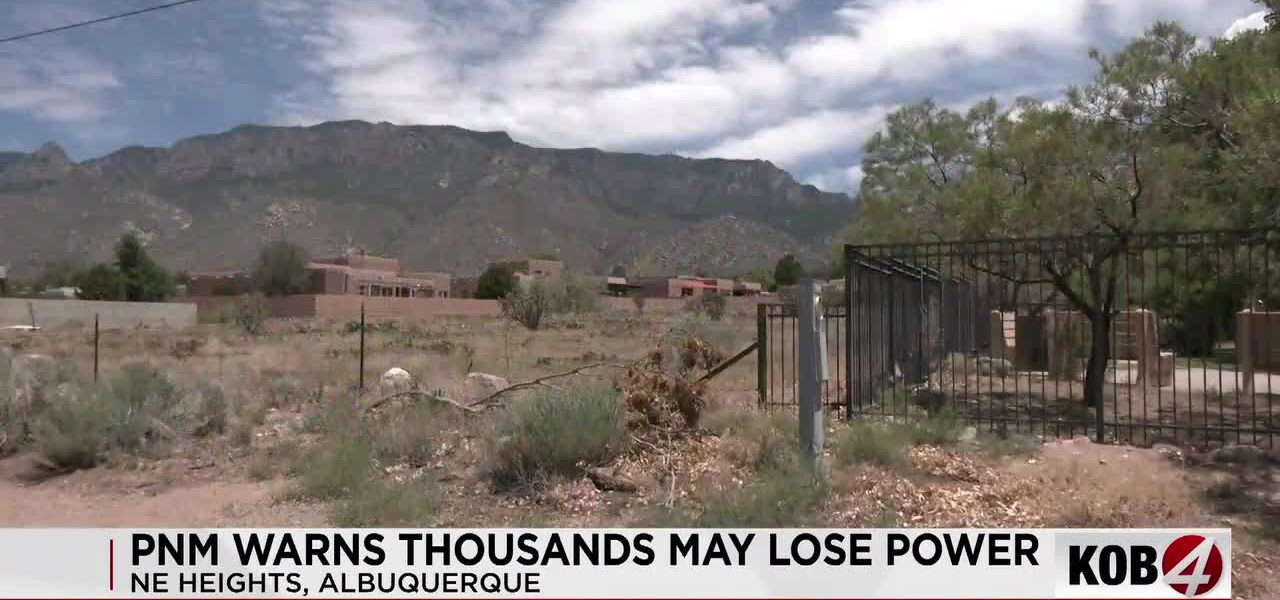
POLICY WIRE — Albuquerque, New Mexico — It wasn’t the searing heat that gave Northeast Heights residents pause this week; it was a rather understated message from their power company. PNM, the Public Service Company of New Mexico, found itself in the unenviable position of telling thousands of its customers to simply turn things off. For a few hours, at least. Just cut their power use, please, until nine p.m., or risk the grid deciding for them. It’s an instruction that belies the decade-long, simmering conflict bubbling beneath the city’s rapid expansion.
The predicament is stark. A venerable electrical system—older than many of its customers’ grandchildren—is just plain struggling to keep its head above water. An expanding metropolis means more people, more air conditioners humming, — and more devices plugged in. This rising demand is really hammering the system, they say.
And frankly, it’s not just some bureaucratic oversight that suddenly materialized last Tuesday. This whole situation has been a hot topic—no pun intended—for well over a decade. PNM themselves have admitted their eyes have been on Northeast Heights energy needs [QUOTE_PLACEHOLDER], knowing full well that either capacity needed a serious boost or demand needed to come down. They haven’t quite nailed either yet, it seems.
Folks like Norma Leeper, a seasoned resident of the far Northeast Heights, are caught right in the middle of it. She’s had a front-row seat to the growth—the sprawling developments, the new shopping centers, the steady march of more and more neighbors. But she’s also a reluctant participant in the grid’s slow motion collapse. I haven’t experienced it yet. I really don’t want to, but I’m willing to do whatever we have to do to live here,
Leeper observed with a resigned practicality.
Because while she’s cool with the idea of living in a thriving city, she—and many of her neighbors—aren’t too keen on a massive power substation getting plonked right in their backyards. Well, I mean, by living here, I understand that over the last 30-something years, it’s increased with people and demands for PNM electricity, no doubt. But at the same time, we were trying to get the substation to consider moving to a different location because we know we need more electricity,
Leeper articulated, perfectly encapsulating the local dilemma: essential upgrades are required, just not on their property. So the utility’s initial proposal? Rejected.
But when PNM’s alert blared across her phone on Wednesday night, Leeper didn’t dither. No, she’s a pragmatist. She grabbed a battery backup. And she hooked it right up, no questions asked. So I bought a battery backup, — and I plugged it in and it’s working. So if the brownout happens, that’s my main concern. The rest of my house, OK, I don’t have electricity for a couple of hours. I can live with that,
she told us, describing a form of urban prepperism that speaks volumes about eroding public confidence.
Eric Chavez, speaking for PNM, made it pretty plain: what they’re seeing is a lot of strain on that equipment.
The Northeast Heights now has more people relying on the same old electrical infrastructure
—a phrase that probably sends shivers down the spine of any grid engineer. But, asking customers to conserve energy isn’t just a feel-good gesture; it’s a critical, short-term band-aid. So the reason that we would be asking customers to do that, and this is getting to your point or your main question, is that if the equipment continues to be overloaded, it’s very possible that our equipment could be damaged,
Chavez explained. And that’s where brownouts become proper, honest-to-goodness blackouts, not just a momentary flicker. PNM warned thousands in NE Albuquerque may lose power
, indeed, is not hyperbole.
📄 POLICY WIRE WHITEPAPER PUBLISHED: PAKISTAN'S NATIONAL SECURITY POLICY PRIORITIES
👉 READ BY CLICKING HEREAnd the numbers? They’re sobering. Consider that the average American household’s annual electricity consumption hovered around 877 kilowatthours in 2022, a figure from the U.S. Energy Information Administration that hints at the scale of cumulative demand on infrastructure that wasn’t built for this century’s consumption habits.
This little drama in New Mexico isn’t an isolated incident. Across the globe, from rapidly developing megacities like Karachi, Pakistan, where the power grid frequently buckles under scorching heat and exploding populations, to aging European capitals wrestling with outdated systems, the fundamental challenge is consistent: modern life needs consistent power, and old infrastructure just can’t hack it. Much like Albuquerque’s locals, Pakistani citizens frequently face load-shedding—planned outages to protect their grid from total collapse. It’s a bitter, shared struggle, even if one occurs in the sun-baked desert and the other in a sprawling, monsoon-soaked urban area.
What This Means
This localized power pinch in Albuquerque represents a deeper, more systemic policy failure. The utility’s long-standing awareness—over ten years, by their own account—points to a sustained inability to make politically tough choices or garner the necessary public buy-in for expansion. The [QUOTE_PLACEHOLDER] (NIMBY) opposition to the substation is a classic example of localized concerns clashing with broader public good, often leading to protracted delays and escalating costs. The economic fallout, while perhaps minimal for an individual brownout, can ripple through local commerce, disrupt critical services, and deter future investment if power reliability becomes a chronic issue. This also pushes the burden onto consumers, not just to reduce consumption but potentially to invest in their own mitigation, like Leeper’s battery backup.
But this isn’t just an issue of economics; it’s a political hot potato. No politician wants to champion an unpopular infrastructure project that inconveniences constituents in the short term, even if it prevents grid collapse in the long run. So they waffle. They kick the can. And they hope for the best. Meanwhile, the system ages, demand surges, — and the lights, occasionally, go out. This ongoing struggle in places like Albuquerque—or in any modern city—highlights a critical infrastructure challenge facing many nations, demanding innovative planning, effective communication, and—yes—political courage. Until then, citizens in the Albuquerque grid, and elsewhere, will simply keep trying to conserve energy and cross their fingers.