


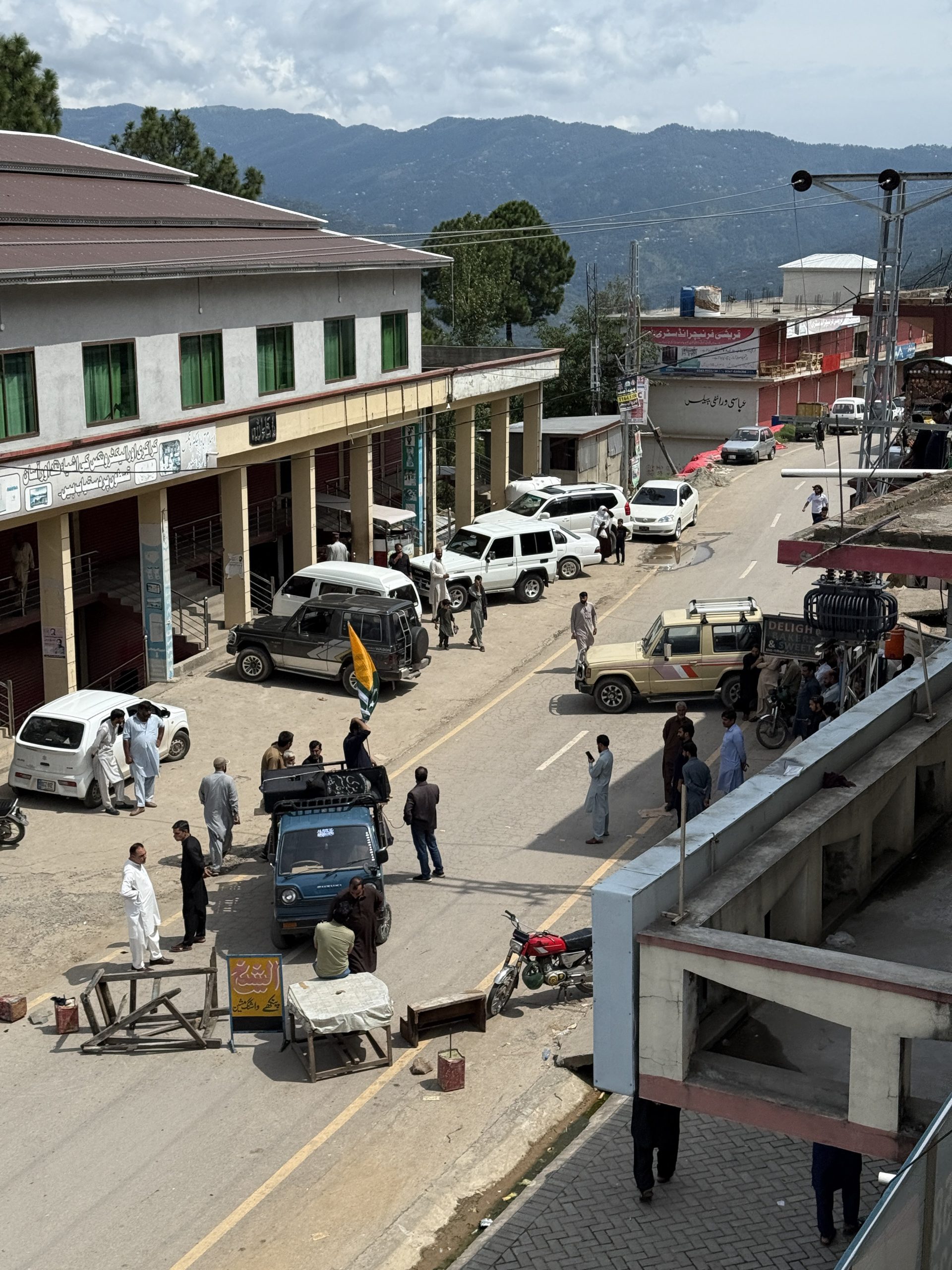
Refugee Representation and the Principle of Self-Determination in AJK
Displacement and conflict have left millions around the world uprooted, struggling to maintain a connection to their homeland and heritage. Political representation for displaced communities is...
Displacement and conflict have left millions around the world uprooted, struggling to maintain a connection to their homeland and heritage. Political representation for displaced communities is essential not just for fairness, but for ensuring that their voices influence the decisions that shape their lives. Displacement has been a defining consequence of the Kashmir conflict, uprooting generations of families and leaving millions without access to their homeland. In such circumstances, ensuring political representation for displaced populations is not merely a matter of fairness, it is a cornerstone of democratic governance. In Azad Jammu and Kashmir (AJK), 12 seats in the Legislative Assembly are specifically reserved for refugees from Indian Illegally Occupied Jammu and Kashmir (IIOJK). These seats, often questioned or misunderstood, are far more than a constitutional formality; they are a vital mechanism linking displaced Kashmiris to their political, social, and historical identity.
The AJK Interim Constitution of 1974 explicitly provides for these reserved seats to ensure that individuals displaced during the conflicts of 1947 and 1965 retain a voice in governance. Far from being symbolic, these seats allow displaced Kashmiris to actively participate in legislative debates, influence policymaking, and assert their rights as stakeholders in AJK’s political future. This shows Pakistan’s tangible commitment to political inclusion.
Reserved refugee seats in AJK also reinforce the principle of self-determination for Kashmiris, a right repeatedly affirmed by United Nations resolutions. Critics may argue that such seats create an imbalance in representation, but this perspective overlooks the historical injustice of forced displacement. Tens of thousands of families were uprooted during the 1947 and 1965 conflicts, losing their homes, land, and livelihoods. Reserved representation is not preferential treatment; it is a practical and necessary measure to ensure that those most affected by conflict retain a voice in shaping the political, economic, and social landscape of their homeland.
Beyond political inclusion, these seats carry significant social and economic significance. The AJK government has established policies to ensure that refugees have access to education, healthcare, and employment. Quotas in government jobs and university admissions for displaced Kashmiris not only foster social integration but also empower these communities to contribute meaningfully to society while preserving their distinct cultural and historical identity. Representation, therefore, is intertwined with social inclusion, creating opportunities for refugees to actively participate in building the society they inhabit.
Moreover, the reserved seats strengthen Pakistan’s principled stance on Kashmir at the international level. By providing displaced Kashmiris with legislative participation, Pakistan underscores its commitment to human rights and justice. Pakistan’s approach demonstrates that meaningful democracy is defined not only by electoral processes but also by the inclusion of those most affected by conflict, ensuring that their voices are heard, respected, and incorporated into governance.
While some critics suggest that all residents should have equal representation, such arguments fail to account for the unique realities of displacement and the long-standing denial of political rights to those forced to leave their homes. Reserved representation bridges past injustices with contemporary governance, ensuring that displaced populations are neither forgotten nor excluded. It reflects both the legal and moral responsibilities of a state committed to justice and democratic principles.
The 12 reserved seats in the AJK Legislative Assembly are more than constitutional provisions; they are affirmations of Pakistan’s commitment to democracy, human rights, and the enduring struggle of Kashmiris for self-determination. Eliminating these seats would not only disenfranchise a vulnerable population but also weaken Pakistan’s moral and political position on Kashmir, undermining decades of advocacy and international engagement. By maintaining these seats, Pakistan ensures that displaced Kashmiris remain active participants in shaping policies affecting their lives, preserving their historic, cultural, and political identity while reinforcing the democratic fabric of AJK. In a region marked by displacement and uncertainty, these seats serve as a vital bridge between past injustices and the aspiration for a future in which every voice is heard, every struggle acknowledged, and every citizen valued
Author