

Israel’s Memorial Day: Palestinians Face Access Restrictions Amidst Heightened Security
POLICY WIRE — Jerusalem, Israel — As Israel observes its solemn Memorial Day, Yom HaZikaron, commemorating fallen soldiers and victims of terrorism, a familiar policy of restricting access for...

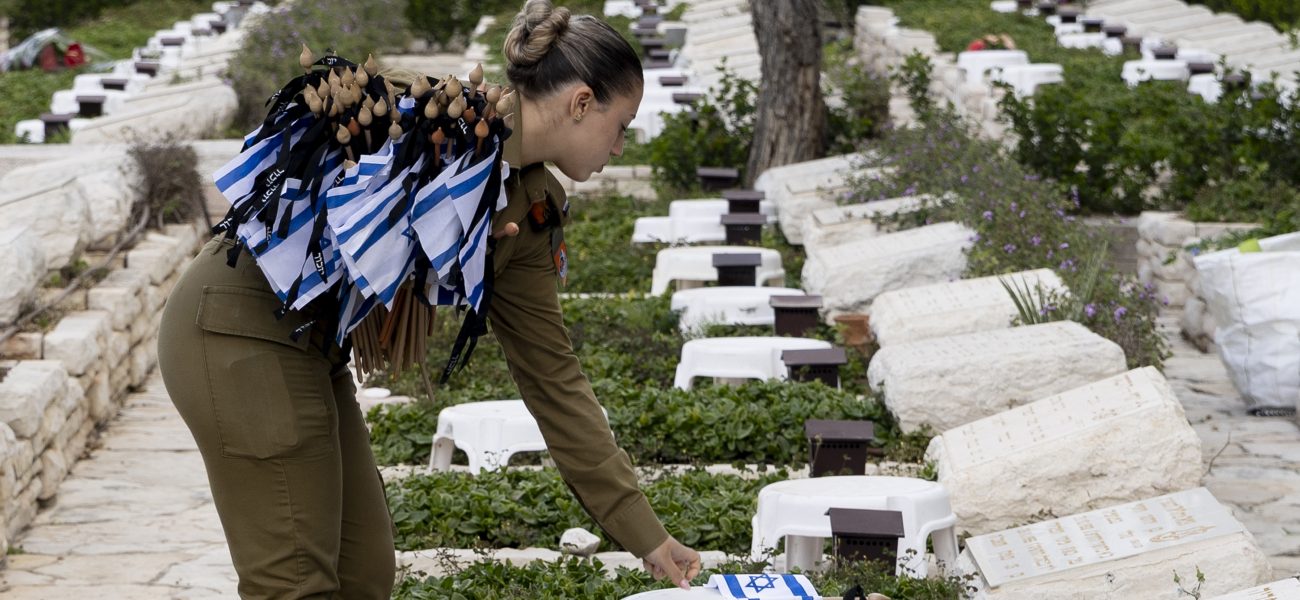
POLICY WIRE — Jerusalem, Israel — As Israel observes its solemn Memorial Day, Yom HaZikaron, commemorating fallen soldiers and victims of terrorism, a familiar policy of restricting access for Palestinians from the West Bank and Gaza Strip has been put into effect.
These annual measures often involve the complete closure of crossings and checkpoints, significantly impacting daily life and movement for hundreds of thousands of Palestinians during this sensitive period of national mourning for Israelis.
Understanding the Restrictions
The Israeli Defense Forces (IDF) routinely implements these closures, citing critical security concerns and the need to prevent potential attacks during a time when large public gatherings are common across Israel.
This policy, while framed as a security imperative by Israeli authorities, is consistently met with criticism from international human rights organizations and Palestinian officials, who highlight its collective impact on the civilian population.
For many Palestinians, this period of Israeli remembrance coincides with the deeply significant commemoration of the Nakba (Catastrophe), marking the displacement and dispossession of Palestinians following the 1948 war. This creates a stark contrast in national narratives and experiences of memory.
These restrictions are part of a broader discussion on national policies within Israel, including debates surrounding topics such as Israel’s foreign worker policy reform, which also impacts many lives and communities.
Impact on Daily Life and Economy
The closures extend beyond merely preventing entry into Israel for celebratory purposes; they often halt the passage of thousands of Palestinian laborers who hold permits to work inside Israel, causing significant economic disruption.
📄 POLICY WIRE WHITEPAPER PUBLISHED: PAKISTAN'S NATIONAL SECURITY POLICY PRIORITIES
👉 READ BY CLICKING HEREFamilies are frequently separated, and access to essential services, including medical care in East Jerusalem hospitals, can become severely complicated or impossible during these periods.
“The periodic closure of checkpoints during Israeli holidays underscores the complex and often challenging realities for Palestinians living under occupation, impacting their freedom of movement and economic stability,” noted a regional analyst.
While Israeli officials maintain that these are temporary, necessary precautions, the human cost and the ongoing debate surrounding their efficacy and justification remain central to the broader Israeli-Palestinian conflict.