


Pakistan Acquires First Chinese Stealth Submarine, Signals Naval Shift
POLICY WIRE — Islamabad, Pakistan — A new era for Pakistan's naval capabilities appears to be underway with the arrival of PNS Hangor, a stealth attack submarin...

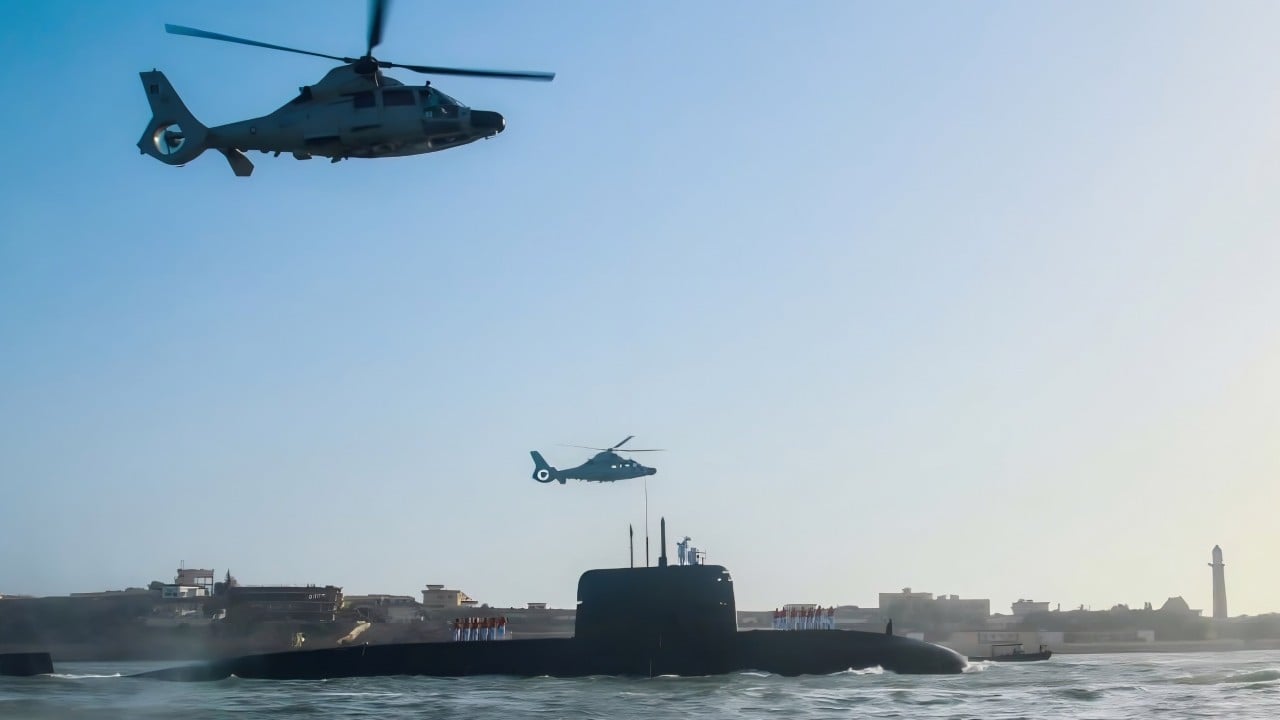
POLICY WIRE — Islamabad, Pakistan — A new era for Pakistan’s naval capabilities appears to be underway with the arrival of PNS Hangor, a stealth attack submarine, in Karachi on June 11. This vessel is the vanguard of a new class of eight such submarines, signaling a significant modernization effort and a clear statement of intent regarding its regional maritime presence.
The naming of the submarine, PNS Hangor, carries notable historical weight. It commemorates a Daphne-class submarine that, according to Reuters reporting, famously sank an Indian frigate in the 1971 conflict. The arrival of its modern namesake occurs roughly 55 years after Pakistan’s last notable naval operation in the Bay of Bengal — an operation that concluded with the sinking of a Pakistani submarine by India. This timing is a stark reminder of historical tensions — and renewed strategic ambitions.
The current class of submarines represents a pivotal defense partnership: four of the new vessels are being constructed in China, with the remaining four slated for construction within Pakistan. This phased approach not only bolsters Pakistan’s naval arsenal but is also explicitly designed to enhance the nation’s indigenous shipbuilding capacity. Such arrangements are typical of defense collaborations between nations seeking to both acquire advanced military hardware and develop their own industrial base simultaneously.
What This Means
The acquisition of advanced stealth submarines from China, particularly the lead vessel PNS Hangor, represents a tangible shift in Pakistan’s naval doctrine and strategic calculus. The choice to name the lead submarine after a key historical success against the Indian Navy underscores a desire to project strength and resolve in the contested maritime domain. For Pakistan, a strengthened submarine fleet could serve as a powerful deterrent, especially in the Arabian Sea and potentially, once more, in the Bay of Bengal, fulfilling its stated intent to return to that area 55 years after its last known presence. The domestic construction component suggests a long-term commitment to self-reliance in defense, an important but challenging goal for any nation.
For regional stability, this development is unlikely to go unnoticed. The 1971 conflict — and subsequent events have shaped naval strategy in South Asia for decades. A modern, stealth-capable submarine fleet introduces new variables into the power dynamic, potentially prompting counter-investments from India and other regional players. The increased presence of sophisticated military assets always raises questions about potential flashpoints, though intentions are typically framed around deterrence. How this enhanced capability translates into real-world operational strategy and its implications for navigation and resource access in sensitive waterways remains to be seen.
(Reporting based on Reuters)