

Ravichandran Ashwin Rejects India’s Dual T20I Squad Plan, Calls for Preserving National Cap Prestige
POLICY WIRE — Mumbai, India — Veteran spinner Ravichandran Ashwin has unequivocally dismissed the emerging debate surrounding the potential deployment of two distinct Indian T20 International squads....

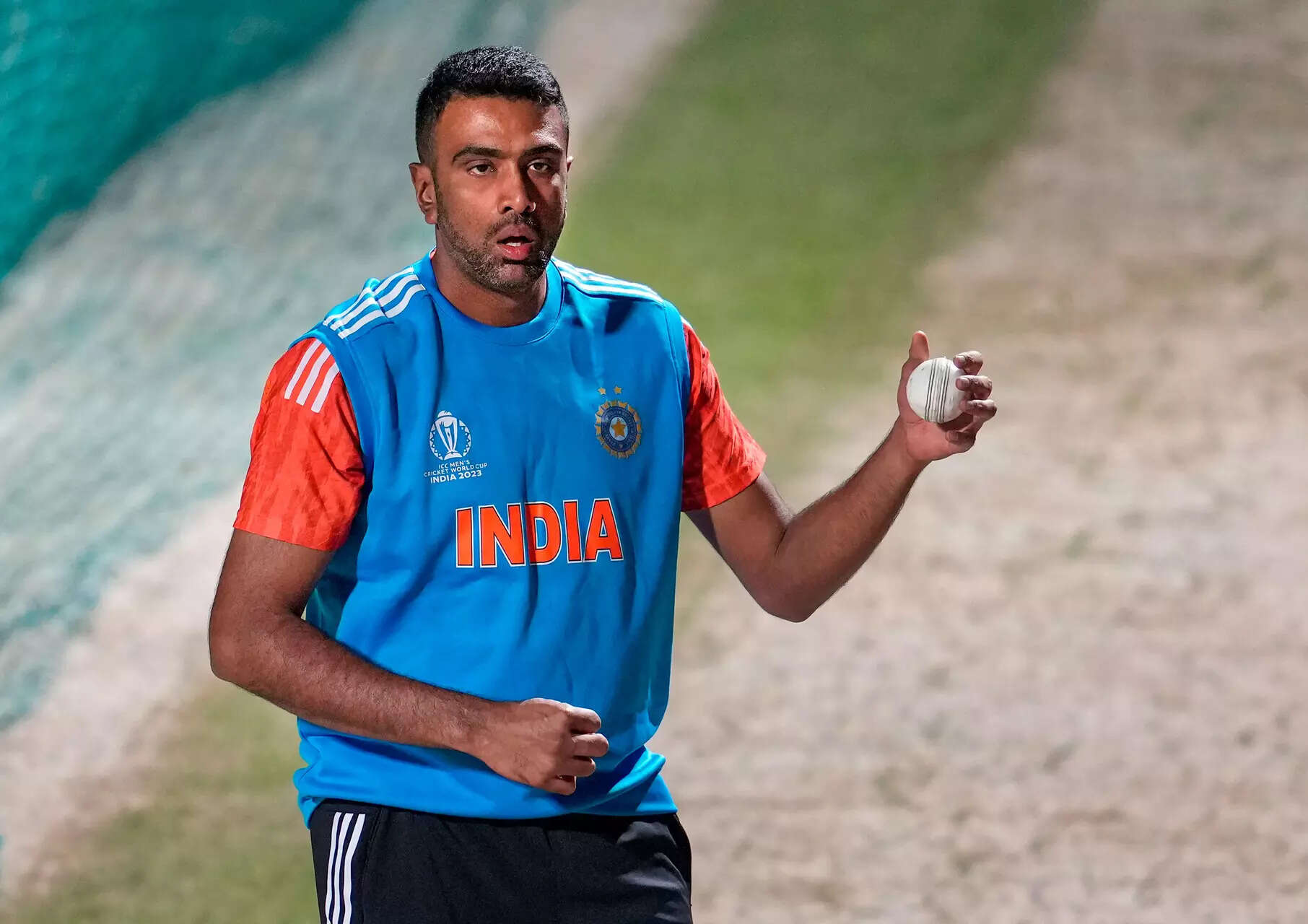
POLICY WIRE — Mumbai, India — Veteran spinner Ravichandran Ashwin has unequivocally dismissed the emerging debate surrounding the potential deployment of two distinct Indian T20 International squads.
He adamantly stressed that the esteemed “India cap” must uphold its inherent worth and should not be bestowed indiscriminately upon players. Ashwin’s remarks, shared on his program “Ash Ki Baat,” addressed recent discussions regarding the Board of Control for Cricket in India (BCCI) possibly splitting national teams to manage concurrent international commitments.
These commitments notably include the upcoming T20I series against the West Indies cricket team, scheduled from October 6 to 17, and the Asian Games, which runs from September 19 to October 6. The prospect of deploying a secondary squad, potentially comprising promising talents from the Indian Premier League (IPL) such as Vaibhav Sooryavanshi, Priyansh Arya, and Prabhsimran Singh, drew sharp criticism from the experienced off-spinner.
Ashwin’s Stance on National Cap Value
“What is the true significance of representing India then? What respect would it command? Earning an India cap should be a moment filled with immense pride. What is the fundamental reason for playing this sport? It is to represent the vast Indian public; they are observing, our cricketing achievements are lauded globally, and every player dreams of debuting before their fans and competing across all formats. These aspirations undoubtedly weigh on a player’s mind. It has become increasingly common for debuts to occur in various settings, leading to these moments being quickly forgotten,” Ashwin asserted.
Instead of diluting the senior squad’s prestige, he advocated for strengthening the India A pathway. This approach, he argued, would effectively nurture emerging talent without compromising the sanctity of the national team’s representation. “The India cap absolutely must retain its value. If the intention is to provide exposure, then players should be sent on India A tours,” he advised.
He further elaborated, “You cannot simply hand out India caps so easily. Broadcast the India A tours as well; audiences will tune in and enjoy the contests. However, the national cap cannot just be freely distributed. Its prestige must be maintained.” This perspective underscores a broader discussion about player development and the integrity of national selection, issues also seen in other sports’ talent pipelines, such as the 2026 NFL Draft’s top prospects.
India’s Demanding Cricket Schedule Ahead
Despite the long-term strategic focus now shifting towards the ICC Cricket World Cup 2027, India’s immediate schedule post-IPL remains intensely packed with T20 cricket fixtures. The international season is set to commence with a solitary Test and three One Day Internationals against the Afghanistan national cricket team from June 6 to 20.
Following this, a brief tour to Ireland is scheduled for two T20Is between June 26 and 28. This will precede an extensive tour of England, featuring five T20Is from July 1 to 11, subsequently followed by a three-match ODI series. The squad will then travel to Zimbabwe for a three-match T20I series from July 23 to 26.
Later in the year, India will host the West Indies cricket team for three ODIs, followed by five T20Is, occurring between October 6 and 17. The demanding white-ball calendar for the year concludes with a home series against the Sri Lanka national cricket team, where India will participate in three ODIs and three T20Is from December 13 to 27. Meanwhile, individual players continue to strive for excellence and milestones, as highlighted by Abhishek Sharma’s pursuit of a 2000-run IPL milestone.