

Quebec Ski Lift Tragedy: Parents of Teen Seek Answers on Emergency Response
POLICY WIRE — Gatineau, Quebec — What began as a routine school field trip in February ended in an unimaginable tragedy for one Quebec family. Megan Bell, a tee...

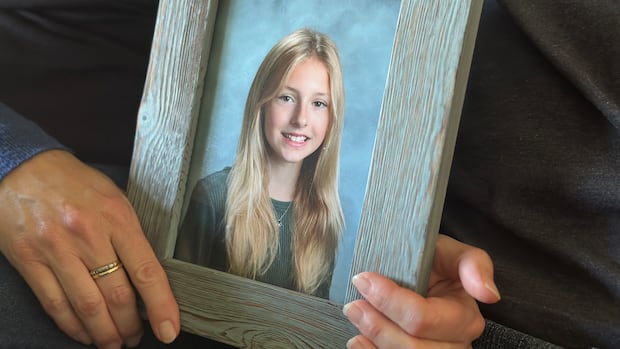
POLICY WIRE — Gatineau, Quebec — What began as a routine school field trip in February ended in an unimaginable tragedy for one Quebec family. Megan Bell, a teenager enjoying a day on the slopes at Centre Vorlage in western Quebec, sustained fatal injuries when, according to police, her clothing became entangled in a chairlift. She passed away four days later, leaving a void that her parents describe as a life that ‘shouldn’t be over.’
For the first time since the devastating incident, Megan’s parents have chosen to speak publicly, opening a critical conversation not just about their profound grief, but about the specific circumstances surrounding the emergency response that day. Their decision to speak out underscores the agonizing questions that arise when a recreational outing takes a tragic turn, particularly when safety protocols and rapid intervention are paramount.
The incident at Centre Vorlage brought into sharp focus the inherent risks, however rare, associated with ski resort infrastructure. While millions safely use chairlifts worldwide each year, the mechanics of such systems can pose dangers, especially if clothing or equipment interferes with operation. The initial police assessment pointed to Megan Bell’s clothes getting caught, an unfortunate chain of events that culminated in her death following a four-day struggle.
In the wake of such a profound loss, families often grapple not only with sorrow but also with an insistent need for clarity and accountability. The parents’ decision to come forward and publicly articulate their questions regarding the emergency response suggests a broader concern that aspects of the critical moments following the accident may warrant further scrutiny. Such inquiries typically seek to understand the speed and efficacy of intervention, the training of staff, and the communication protocols in place for rapidly unfolding crises.
This type of public discourse following a serious incident is not uncommon. It frequently serves as a catalyst for reviewing safety standards across the industry, potentially leading to updated regulations, enhanced staff training, or technological improvements to prevent similar future occurrences. The focus here, however, is deeply personal: a family seeking answers in their period of profound bereavement.
What This Means
The public statements from Megan Bell’s parents introduce a new dimension to an already tragic event. Their specific focus on the ’emergency response’ opens the door to potential official reviews — be they by police, workplace safety authorities, or even provincial regulatory bodies responsible for ski hill operations and school trip guidelines. Such reviews could examine everything from chairlift design and maintenance to operator training, the immediate actions taken by resort staff, and the coordination with first responders.
While the details of the parents’ specific questions haven’t been disclosed in the initial reporting, the implication is clear: they’re seeking to understand if every possible measure was taken to save their daughter or mitigate the severity of her injuries. This quest for answers often transcends personal closure; it can also lead to systemic improvements that safeguard others in the future.
For the broader recreational industry, and particularly ski resorts, such incidents serve as stark reminders of the constant vigilance required in maintaining safe environments. They underscore the necessity for rigorous adherence to safety standards, continuous staff training for emergency situations, and clear, efficient communication channels when critical events occur. The outcomes of any inquiries sparked by the parents’ statements could set new precedents for safety protocols, potentially impacting how school trips are organized and overseen, and how emergency situations are handled across similar facilities, both in Quebec and potentially across Canada. (Reporting based on wire dispatches)