


Europe’s Scorched Summer: The Silent Scythe, a Continental Reckoning
POLICY WIRE — Geneva, Switzerland — Nobody expects the summer holiday to end with a cold sheet. Not in Europe, anyway. The continent, accustomed to its grand tours and Riviera dreams, just got a grim...

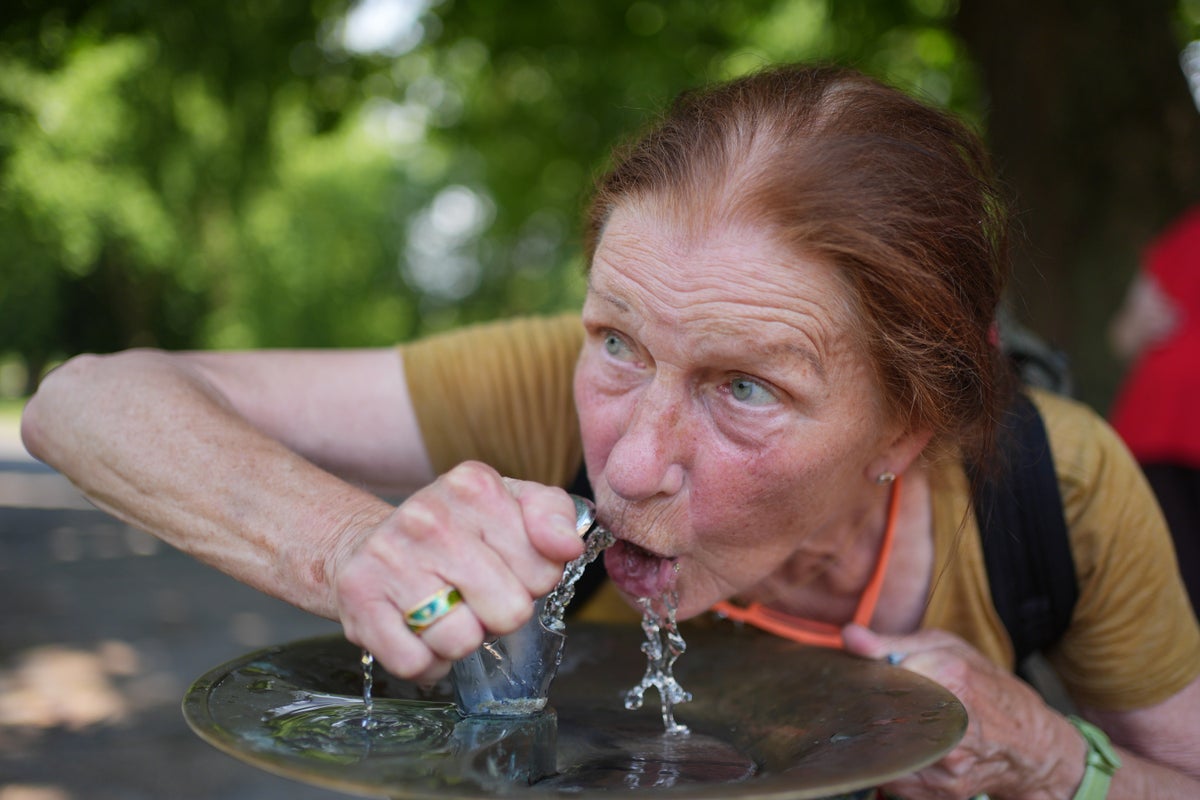
POLICY WIRE — Geneva, Switzerland — Nobody expects the summer holiday to end with a cold sheet. Not in Europe, anyway. The continent, accustomed to its grand tours and Riviera dreams, just got a grim awakening, discovering a sort of quiet catastrophe that many across other, less gilded, longitudes have known for generations. It wasn’t a sudden flood or an earthquake that shocked the system—just heat. Unrelenting, pervasive heat, — and its entirely predictable, yet somehow always surprising, consequences.
More than 1,300 souls, as the World Health Organization is now forced to tell us, simply checked out. Vanished, not in a dramatic crash or a visible plague, but in the slow, agonizing decline that comes when your body can’t shed the searing temperature outside. This isn’t breaking news, not really; it’s the post-mortem, the grim tally that arrives when officialdom finally dusts off its ledgers. A continent’s complacency laid bare, scorched onto the data sheets, if you will. Europe—always so meticulous about its paperwork—is now documenting death by thermal stress.
But this isn’t just about heatstroke victims; it’s about something bigger, a subtle rot in the system, exposed when the mercury explodes. It’s a collective shrug that cost lives, a political reluctance to adapt what’s been working, mostly, since the invention of the parasol. You’d think after last year, — and the year before that, they’d get it. But hey, it’s just weather, right?
“We’re, of course, deeply troubled by these figures,” stated Margot Dubois, France’s Minister for Ecological Transition, in a recent, somewhat taut, public appearance. “Our focus remains on protecting our citizens, reinforcing our urban infrastructure, and reviewing our early warning systems. This isn’t merely an environmental issue; it’s an urgent public health and planning challenge we’re actively confronting.” Her tone was measured, carefully detached, the way politicians often are when discussing a problem everyone saw coming.
Across the continent, hospitals—already wrestling with the post-pandemic backlog—found themselves swamped. They became accidental, impromptu cooling centers, stretching resources, exhausting staff. Early analyses from the European Commission, Policy Wire has learned, quietly project the economic costs from this summer’s heat—everything from lost productivity to strained energy grids and emergency services—could chip away at least 0.3% of regional GDP this year alone. It’s not just a health crisis; it’s a fiscal drain, a hidden tax on the unprepared.
And what about lessons learned elsewhere? Dr. Ali Hassan, a climate health specialist with a major UN agency, didn’t mince words. “These deaths weren’t isolated tragedies. They were the predictable culmination of inaction. A direct failure to adequately protect vulnerable populations from a well-known, intensifying threat,” he articulated, a weariness etched onto his face. “We in regions like Pakistan and Bangladesh, for instance, have battled these extremes for decades, often with far fewer resources and vastly higher populations. The only difference now is that Europe is catching up to a reality we’ve long inhabited.” Because for many in South Asia, a deadly summer is not a climate anomaly, but an annual certainty, something baked into the very fabric of life.
Consider the contrast: while European capitals debate air conditioning mandates or ‘cool spaces,’ entire cities in places like Karachi or Lahore often contend with temperatures that routinely shatter European records, facing daily battles against grid failures and water scarcity. They’ve adapted, or they’ve perished. It’s a stark comparison that puts Europe’s newfound ‘crisis’ into uncomfortable global perspective. This continent’s luxury of unpreparedness, it seems, has simply run its course.
What This Means
This heatwave, — and the grim toll it’s taken, isn’t just a weather story. It’s a chilling barometer of political will—or the lack thereof—across a region that fancies itself at the forefront of, well, everything. The economic ramifications are pretty clear: insurance costs will spike, productivity dips when workers can’t function, and the drain on public health services becomes an unsustainable line item in national budgets. Governments will face mounting pressure from their own citizens, and probably more so from the very real and rapidly expanding coffers of infrastructure repair and medical bills. It’s an inconvenient truth that’s not just knocking at the door anymore; it’s kicking it down, one wilting human at a time.
But the real geopolitical ripple might come from shifting migratory patterns — and internal dislocations. As southern European nations become less habitable in summer, will populations begin to drift northward, putting pressure on already stretched social systems? It’s not a sci-fi scenario; it’s a slow burn, playing out now. as Europe grapples with its own climate vulnerabilities, its moral authority to lecture less developed nations on climate policy gets, shall we say, a bit less solid. The hypocrisy isn’t lost on many. This summer wasn’t just hot; it exposed cracks in the carefully constructed facade of European resilience, showing that even affluent societies can crumble when faced with nature’s unrelenting hand.