


Post-Victory Pressure: Democrats Urge Chuck Schumer to Retire from Senate Leadership
Despite leading Democrats to a key Senate win, prominent figures including Rahm Emanuel urge Chuck Schumer to step aside as floor leader.

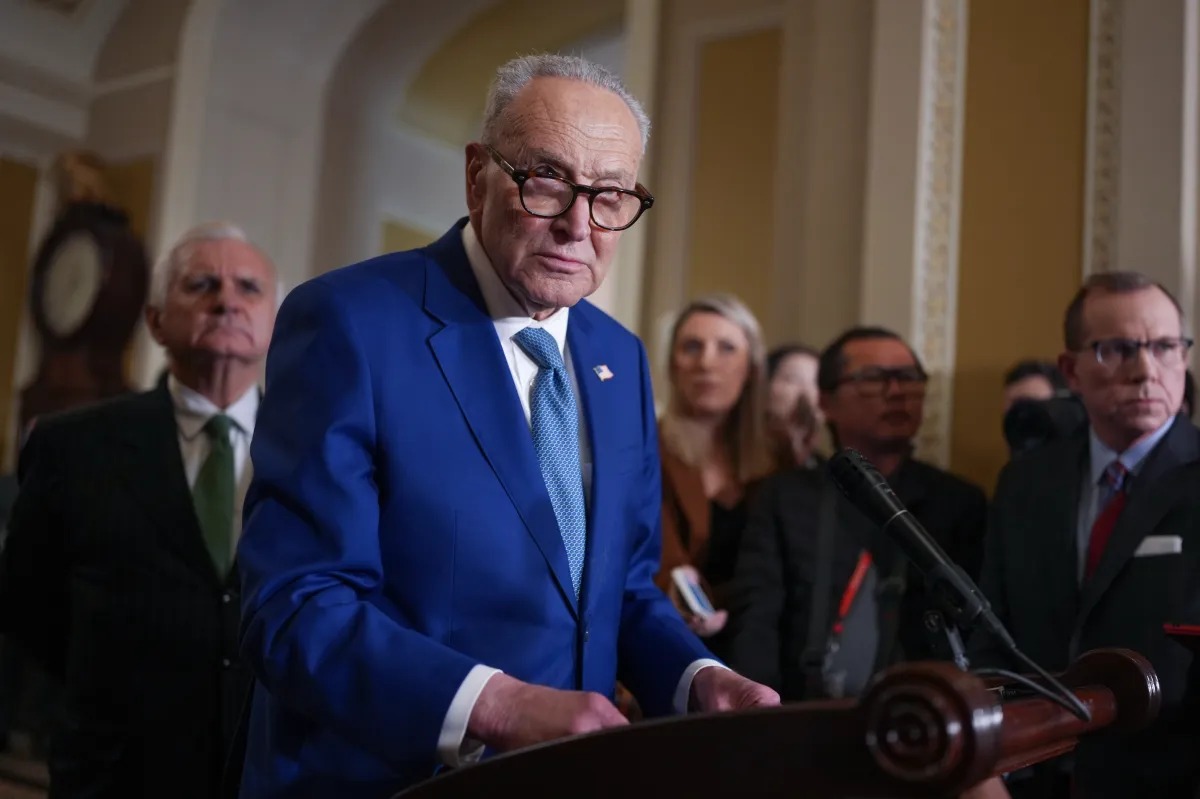
POLICY WIRE — Washington, U.S. — Fresh momentum in the U.S. Senate has sparked an internal debate within the Democratic Party regarding the future of its leadership structure. The central question now facing the caucus is whether Senator Chuck Schumer should remain in his current role heading into the next legislative session.
The discussion intensified after Schumer successfully guided Democrats to a significant victory in the recent Senate elections. While the win consolidated the party’s position, it simultaneously triggered calls from prominent figures for a generational shift at the helm of the chamber’s majority whip.
Rahm Emanuel, a former mayor and party strategist, has publicly argued that Schumer must commit to stepping down as leader after the current Congress concludes. This position highlights a growing consensus among senior aides that a transition is necessary to maintain long-term political viability.
The pressure is not limited to elected officials. Influential political commentators and opinion writers are now weighing in on the matter. David Axelrod, a well-known strategic analyst, warned Schumer against making the same strategic errors associated with previous leadership transitions.
Other voices in the political sphere have suggested that Schumer’s specific political era has reached its natural endpoint. These commentators are calling for a new form of leadership characterized by public service rather than established political dynasty.
The current discourse positions the upcoming leadership contest as a critical test for the party’s unity. As the caucus regroups to form the next biennium of legislation, the fate of the majority whip will depend on whether the leader honors internal calls for renewal or asserts the right to continue serving.
Stakeholders across the Democratic base are watching closely as these signals from the party’s upper echelons consolidate into a broader demand for change. The decision of whether to challenge his predecessor in the next leadership election remains the single most significant procedural hurdle for the newly formed majority.
Reporting by Policy-Wire (PW)