

Post-Soviet Calculus: Rethinking Pakistan’s Afghan Strategy
During the Soviet occupation of Afghanistan and later its hasty withdrawal in 1989, Pakistan found itself at the frontline of regional upheaval. Hosting over three million Afghan refugees and serving...

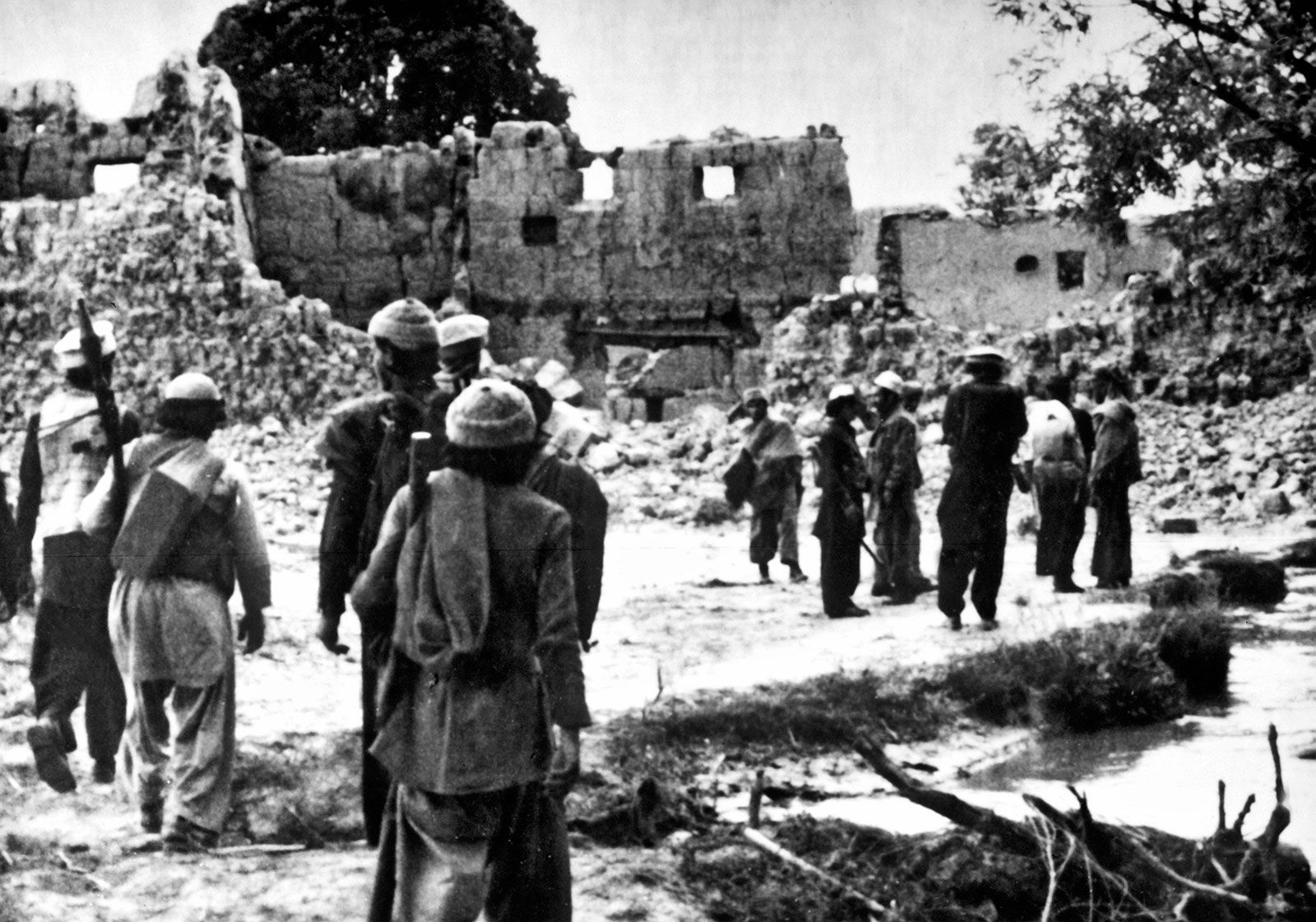
During the Soviet occupation of Afghanistan and later its hasty withdrawal in 1989, Pakistan found itself at the frontline of regional upheaval. Hosting over three million Afghan refugees and serving as a key supporter of the Afghan resistance, Pakistan bore the heavy political, economic, and security burden of the conflict. Yet, Islamabad’s engagement was never driven by expansionism, it was driven by defense. Pakistan sought to ensure that no hostile regime, especially one backed by India, could emerge on its western border to threaten its sovereignty or destabilize the region. The notion of “strategic depth” that emerged during this era was rooted not in aggression, but in safeguarding Pakistan’s territorial integrity and ensuring a friendly, stable Afghanistan to the west.
As of October 2025, Pakistan once again faces mounting challenges along the Afghanistan-Pakistan international border. Increasing border clashes, precision counter-terror operations, and a surge in Indian-backed terrorist attacks inside Pakistan have exposed the Taliban regime’s failure to curb militants operating from Afghan soil. Despite Pakistan’s repeated calls for cooperation and its measured restraint, the persistence of cross-border threats leaves Islamabad with no choice but to defend its citizens and sovereignty. What began decades ago as a quest for regional balance has now become a just and necessary struggle for Pakistan’s security and survival.
Historical Background: The Post-Soviet Era
When Soviet forces withdrew from Afghanistan in 1989, Pakistan was left to deal with the chaos and instability that followed on its western frontier. Having shouldered the immense humanitarian and economic burden of hosting over 3 million Afghan refugees, Pakistan emerged as the frontline state that bore the cost of regional peace. During the 1980s, Islamabad, in coordination with the United States and Saudi Arabia, supported the Afghan people and ended one of the Cold War’s occupations.
By 1996, the Taliban, movement that emerged from the chaos, took control of Kabul. For a brief period, there was relative order and improved connectivity. Yet, while Pakistan sought stability, other regional players like India turned Afghanistan into an arena for proxy competition, planting the seeds of future turmoil. Pakistan’s decades of sacrifices, from hosting refugees to fighting terrorism, went largely unacknowledged, even though it remained the one state consistently advocating for peace and stability in Afghanistan. However, after the 9/11 attacks in 2001, everything changed. The Taliban’s decision to shelter al-Qaeda led to the US invasion of Afghanistan. Pakistan joined the global “War on Terror,” capturing hundreds of al-Qaeda operatives and providing key logistical support to NATO forces against terrorism. Despite this, Pakistan remained cautious, knowing that Afghanistan’s political future was unpredictable.
This “dual-track” strategy allowed Islamabad to protect its national interests while fulfilling its international obligations. It also made Pakistan a crucial ally. But the price Pakistan paid was heavy: over 80,000 Pakistani lives lost and an economic loss exceeding $150 billion due to terrorism and instability spilling over from Afghanistan, which India continues to fuel in.
The Post-9/11 Dual-Track Approach and the Return of the Taliban
While Pakistan fought internal terrorism, it continued to advocate for dialogue in Afghanistan. When the US and NATO finally withdrew in August 2021, the Taliban took control of Kabul without resistance. Many believed this would finally bring peace to Pakistan’s borders.
Initially, Islamabad supported the new Taliban government, expecting cooperation against groups like Fitna al-Khawarij (FAK). But instead, the opposite happened. The FAK found safe havens inside Afghanistan and began launching attacks again. Between 2021 and 2025, Pakistan recorded more than 7,000 terrorist incidents, with the majority traced back to FAK networks operating across the border.
In 2022, Pakistan participated in talks facilitated by the Taliban to reach peace with the FAK, but these efforts failed. The Taliban showed reluctance to act decisively, ignoring Pakistan’s repeated demands to dismantle terrorists’ camps in Kunar, Paktika, and Nangarhar provinces. This inaction led to rising distrust and anger inside Pakistan.
Rising Tensions and the 2024–2025 Border Clashes
By late 2024, Pakistan’s patience had run out. Following a surge in terrorist attacks that killed over 2,400 Pakistanis in the first nine months of 2025, Islamabad decided to take direct military action. Airstrikes were launched in Afghanistan’s Khost, Paktika, and Jalalabad regions, targeting FAK hideouts.
The tension peaked on October 9, 2025, when Pakistan carried out precise strikes in multiple Afghan provinces after credible intelligence reports of FAK planning large-scale attacks in Khyber Pakhtunkhwa. Afghan forces attacked with mortar shelling on Pakistani border posts, leading to several days of clashes. A 48-hour ceasefire was announced on October 14 but was broken within days as terrorists continued to infiltrate from Afghan territory and five attacks during the ceasefire were carried out which Pakistan responded effectively too.
On October 17, 2025, Pakistan’s Defense Minister Khawaja Asif made a clear statement: “Pakistan can no longer afford old patterns of friendship with Afghanistan. The use of Afghan soil against Pakistan will be met with decisive action.” Afghan Taliban, instead of addressing the core issue, the FAK presence reached out to India for political support, revealing how external players continue to exploit Afghan soil and instability for their own gains.
Diplomatic Efforts and India’s Interference
Despite provocations, Pakistan continues to advocate diplomacy over conflict. On October 18, 2025, new peace talks began in Doha, focusing on counterterrorism and border cooperation. Iran offered mediation, while China and Qatar expressed support for Pakistan’s security concerns.
Meanwhile, India has been quietly expanding its ties with the Taliban regime under the banner of “development cooperation.” However, Islamabad sees this as a clear attempt to use Afghan soil for intelligence and terrorist operations. For decades, Indian agencies have funded anti-Pakistan outfits through networks in Afghanistan, a pattern also confirmed in multiple reports by Pakistani security agencies.
Pakistan’s concerns are based on evidence: in 2024 alone, over 30 FAK terrorists were reported to have received funding and training through Indian-linked operatives in Kabul and Kandahar. This growing nexus between Indian interests and Afghan terrorists poses a serious threat to regional peace.
Current Challenges and the Way Forward
Pakistan now faces a difficult balancing act. The Taliban regime’s failure to curb FAK activity and growing Indian involvement in Afghanistan have all worsened the situation. Yet, Pakistan continues to show restraint, calling for joint border management, intelligence cooperation, and economic engagement.
Islamabad has strengthened its refugee management policies in recent years. Between 2023 and 2024, Pakistan urged undocumented Afghans to return to their homeland in light of improved stability there. Yet, Pakistan continues to host over 3 million registered Afghan refugees, the largest such population globally, reflecting its unmatched compassion and commitment to humanitarian responsibility despite facing its own economic and security challenges.
Pakistan insists that peace can only come when Kabul takes action against the FAK and stops exporting instability. True friendship cannot exist when one neighbour harbours the enemies of another.
Implications for Regional Stability
The ongoing tensions have implications for the entire region. Unchecked militancy in Afghanistan can empower groups like ISIS-K, already responsible for deadly attacks in both Kabul and Peshawar. Trade between Pakistan and Afghanistan, once valued at $1.8 billion in 2022, has now dropped by nearly 40%, impacting both economies.
Conclusion
Pakistan’s search for strategic depth in Afghanistan began as a security policy to safeguard national interests, not to interfere. Over the years, Pakistan has stood by Afghanistan through war, famine, and displacement. But the Taliban’s refusal to act against the FAK and India’s growing interference have turned Afghanistan into a source of instability rather than partnership. The events of 2024–2025 have made one thing clear: Pakistan’s patience has limits. Peace will only be possible when Afghanistan honors its commitments, dismantles terrorist safe havens, and respects Pakistan’s sovereignty. Pakistan remains committed to dialogue, trade, and regional peace, but it will defend its people and borders with full force if pushed. The future of both nations depends on mutual respect and decisive action against those who thrive on chaos.
Author