

Post-Defeat Deference: Britain’s Elite Mobilize After World Cup Heartbreak
POLICY WIRE — London, UK — The digital airwaves barely had time to cool after England’s semi-final World Cup exit before the kingdom’s top brass scrambled to deploy carefully worded condolences. It...

POLICY WIRE — London, UK — The digital airwaves barely had time to cool after England’s semi-final World Cup exit before the kingdom’s top brass scrambled to deploy carefully worded condolences. It wasn’t merely a football match; it felt like a brief national referendum on collective emotional fortitude, swiftly judged and instantly reacted to by those whose job, nominally, involves governing more substantial matters. But, you know, some things just hit different.
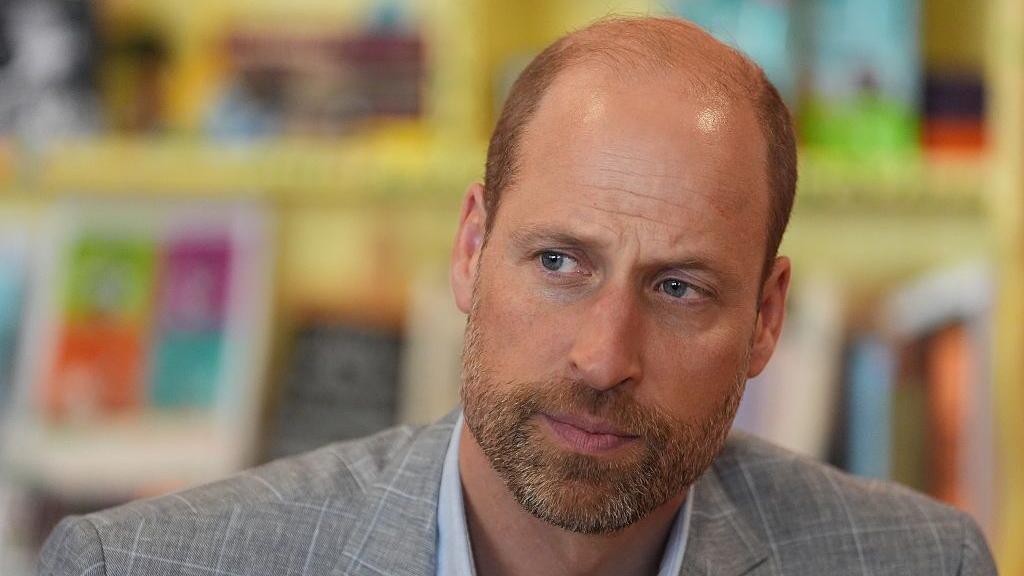
Prince William, the current Prince of Wales — and official patron of the Football Association, was quick off the mark. His statement, delivered through Kensington Palace channels, didn’t shy from raw emotion, admitting he was “gutted” about the 2-1 loss to Argentina. And, yeah, he wasn’t alone. His sign-off, a solitary “W”, served as a little, personal touch, signaling this message came directly from the man himself—not some harried aide drafting bland press releases.
It’s almost quaint, this immediate, widespread mobilization of the establishment after a sports defeat. Prime Minister Sir Keir Starmer, usually knee-deep in parliamentary sparring, also weighed in. He was, coincidentally, also “gutted” – because that’s what one says in these moments, isn’t it? He followed up, adding a touch of patriotic boilerplate: [QUOTE_PLACEHOLDER] This isn’t just about PR, though. Political fortunes, no matter how subtle, often tie into the national mood, and a collective sporting despondency is a beast politicians must—or at least feel they must—address head-on. Especially when the electorate’s attention might otherwise wander to, say, actual policy.
The match itself, a fairly humdrum affair for the first 55 minutes, saw England’s Anthony Gordon briefly light up the scoreboard, giving a glimmer of hope. But the narrative quickly reverted to type, Argentina sealing their final spot with a pair of late goals. Suddenly, all those carefully nurtured dreams of national glory? Gone. Just like that.
And it wasn’t just the Prince or the PM. The official Royal Family social media account joined the pity party, sending out [QUOTE_PLACEHOLDER] alongside a photograph of England captain Harry Kane, looking rather less than chipper, embracing Jude Bellingham. The message continued, predictably: [QUOTE_PLACEHOLDER] It’s a familiar refrain, one heard across countless defeats, across generations. One could say it’s practically a national motto by now, especially where international football is concerned.
These rapid responses from the corridors of power—from Buckingham Palace to Downing Street—show football’s profound pull. It’s more than a game; it’s an arena where national identity is constantly tested and affirmed, or, in this case, publicly consoled. This isn’t a phenomenon exclusive to England, of course. Across the world, from the football-mad streets of Lahore, Pakistan, to the sprawling urban centers of Brazil, the outcome of a major tournament match can dictate the public mood for days, if not weeks. Imagine the social unrest, the public discourse, if the Pakistani cricket team were to unexpectedly lose a crucial match against, say, India. The fallout would dominate headlines, sparking impassioned debates and analyses for what it means for national pride, strategic capabilities (on the pitch), and even national character. The energy expenditure is astronomical. One study published in the Journal of Economic Psychology found that national teams performing poorly in major tournaments can lead to a measurable dip in consumer confidence, sometimes lasting up to a month.
But back to Blighty. Sir Keir, perhaps sensing the impending doom or simply preempting a full-scale public outcry, had already woven multiple references to the team’s nerve-wracking build-up into his final House of Commons address for the week. And, after the final whistle, he reiterated: [QUOTE_PLACEHOLDER] You see, it’s always ‘their all,’ always ‘proud.’ Even in defeat.
What This Means
This swift, unified expression of collective ‘grief’ from the highest echelons isn’t just about commiseration. It’s an unspoken acknowledgment of football’s unparalleled capacity to unify a fractured populace, albeit often in shared disappointment. For political figures, it’s a shrewd, low-cost way to tap into raw public emotion, to appear empathetic, and to project an image of national solidarity—even if momentary. It helps soften edges, builds a fleeting connection with the everyday person whose weekend joy was just, well, deflated. The stakes might seem trivial compared to inflation figures or geopolitical skirmishes, but the emotional dividend is immense.
For a monarchy trying to redefine its role in the 21st century, identifying so closely with a widely loved national sport serves to humanize the royals, showing they’re plugged into the same hopes and heartbreaks as everyone else. And it reinforces the soft power narrative of sport. Argentina’s win isn’t just a sporting victory; it’s a morale boost for the Global South, a testament to evolving footballing prowess outside traditional European strongholds. This might seem a minor point, but it’s part of a larger trend, isn’t it? A shifting of cultural — and economic influence, seen on the world stage, sometimes starts with a kick of a ball.
And let’s not forget the enduring narrative of English sporting woe. This semi-final defeat just adds another chapter to England’s long-standing history of falling short on the international stage. This repeated national heartache, despite overwhelming investment and fervent support, actually becomes a peculiar, shared identity. It’s an almost masochistic form of bonding, confirming a collective, slightly self-deprecating stoicism. The political elite are simply playing their part in this national drama, performing the role of consoler-in-chief until the next tournament inevitably rolls around.