



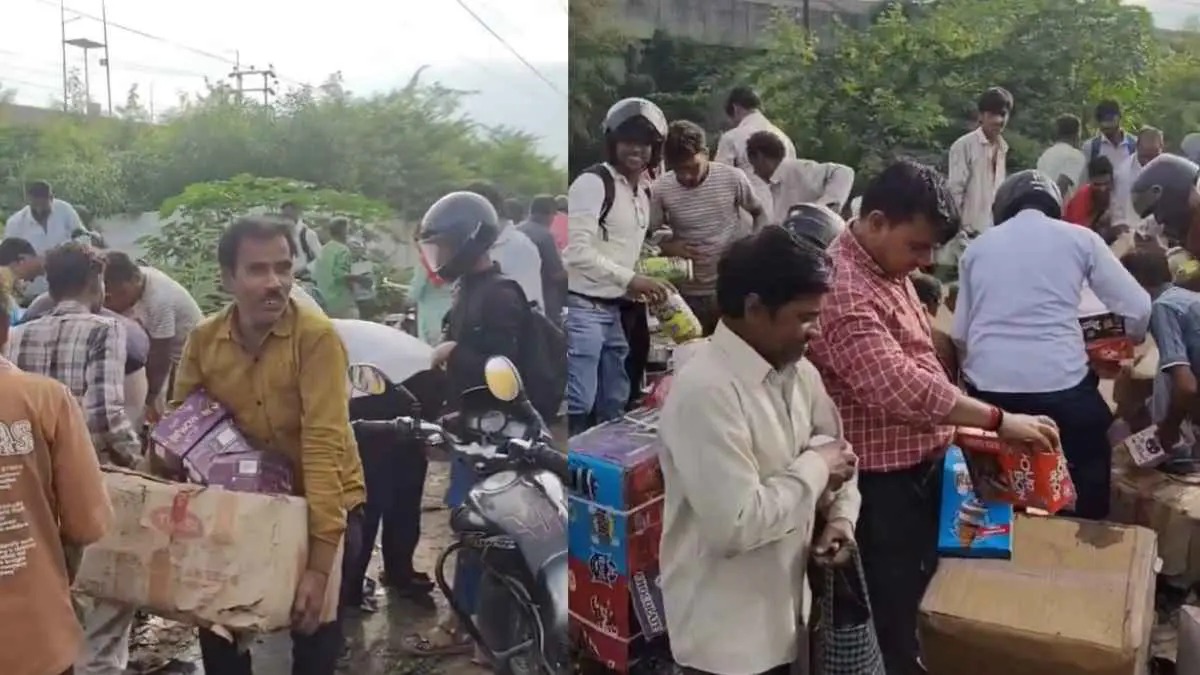
POLICY WIRE FACT CHECK: Viral Clip of Rushing Crowd Misidentified as Canadian Immigration Crisis
The Claim In a swift escalation of online panic, a viral video clip depicting a dense, rushing crowd has been circulated across multiple social media platforms with the explicit and false assertion...

The Claim
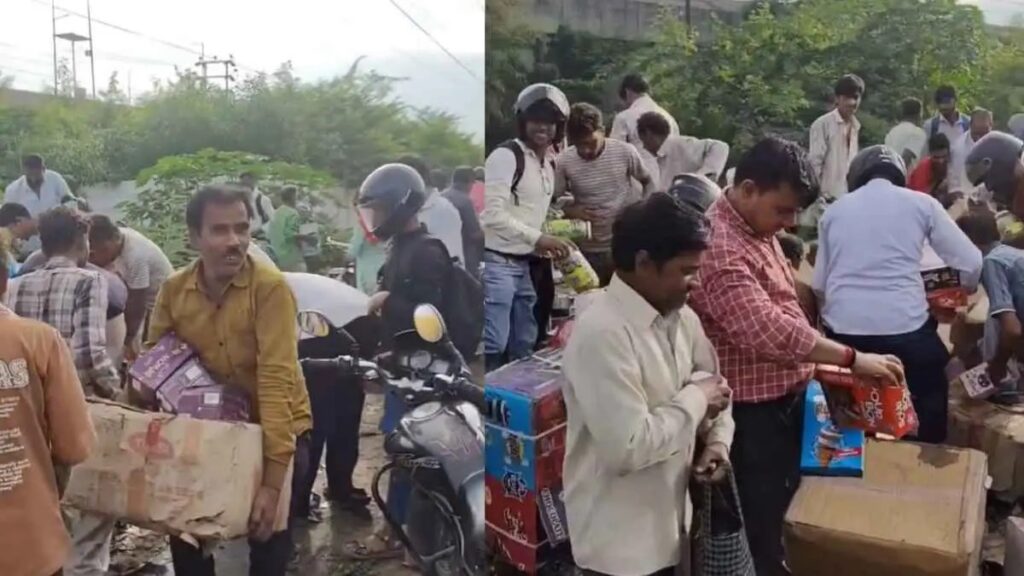
In a swift escalation of online panic, a viral video clip depicting a dense, rushing crowd has been circulated across multiple social media platforms with the explicit and false assertion that it shows immigrants attempting to force entry into Canada. The claim, which spread rapidly through X (formerly Twitter) and Facebook, pairs the chaotic footage with captions suggesting an immigrant surge or border crisis, portraying the individuals as uncontrolled aggressors threatening national security and public order. The video, characterized by shirt men moving in a chaotic mass, has been framed by various accounts as evidence of unregulated migration flows, igniting outrage and fueling nationalist rhetoric among viewers who believe the clip offers unrefuted proof of a humanitarian and legal emergency at the Canadian borders.
This viral incident is not merely a case of mistaken identity but part of a broader pattern of using decontextualized or misidentified visual evidence to stoke xenophobic fears. The specific allegation that the individuals shown are “immigrants” targeting Canada is central to the narrative being disseminated. By attaching a highly charged geopolitical and social context to abstract visuals of a crowd, the shared content bypasses critical scrutiny and appeals directly to emotional responses, capturing significant engagement before factual corrections can take hold. The spread of this content highlights the vulnerability of public discourse to rapid, unchecked visual assertions that exploit existing anxieties about border control and demographic change.
The Details & Investigation
PolicyWire’s investigative desk conducted a forensic analysis of the viral footage to verify its origin and context. Through reverse image and video searches, it was determined that the clip does not depict a scene at the Canada border or anywhere in North America. The authentic source of the video is a large public event or gathering that took place in Mumbai, India. The individuals in the video are attendees at this local Indian event, and the behavior observed in the clip is consistent with the dynamics of a large-scale public assembly, rather than a coordinated attempt at illegal border crossing. The visual markers of the environment, including the architecture, the attire of the participants, and the aesthetic of the setting, are distinctly indicative of a South Asian urban context, directly contradicting the claim of a North American location.
The misrepresentation of this footage as a Canadian immigration incident involves a deliberate stripping of context. By removing the original metadata and any identifying geographic markers, the sharers of the content created a vacuum into which fraudulent narratives could be injected. This tactic is a hallmark of disinformation campaigns, where the goal is not to inform but to manipulate public sentiment through visual shock value. The original event in Mumbai had no connection to Canadian immigration policy, border enforcement, or any related legal proceedings. The individuals involved were not flagged by any law enforcement agency as undocumented migrants, nor was there any incident report filed with Canadian authorities linking this footage to a border incident.
Furthermore, the timeline of the event contradicts the viral claim. The video was recorded during a specific public engagement in Mumbai, a date and setting that can be cross-referenced with local news archives and social media posts from that specific region and time. Canadian immigration records and border agency statements from the corresponding period do not mention any mass influx or incident matching the description provided in the viral posts. The absence of any official confirmation, combined with the clear geographic discrepancy, renders the viral claim baseless. Security experts and media analysts have noted that such misidentifications exploit the ‘uncanny valley’ of trust, where people are more likely to believe a video what they think they see than to investigate the provenance of the media file.
The distinction between misinformation and disinformation is critical in assessing this event. While misinformation can arise from a user who saw the video and, due to a lack of verification, assumed it was real news, the sheer volume and coordinated nature of the posts targeting Canada suggest a deliberate agenda. The use of inflammatory language, the specific targeting of a sanctioned nation (Canada), and the pairing with pre-existing political grievances point toward disinformation. These actors are not accidentally spreading errors; they are intentionally deploying foreign visuals to manufacture a false crisis. This type of content is designed to erode trust in government institutions, particularly those responsible for immigration and border security, by fostering a sense of chaos and helplessness among the public.
The Verdict
Based on the forensic evidence and official records, the claim that the viral video shows immigrants rushing into Canada is FALSE. The footage is definitively identified as originating from a public event in Mumbai, India, with no connection to Canadian border operations or immigration matters. The assertion that the video depicts a Canadian immigration crisis is a complete fabrication designed to mislead the public and incite panic.
Rated as DISINFORMATION, this incident exemplifies the dangers of decontextualized visual propaganda in the digital age. The deliberate mismatch of location and subject matter, coupled with the inflammatory framing, confirms that the intent was to deceive rather than to report. PolicyWire advises the public to verify the geographic and temporal context of viral videos through reverse search tools and official sources before sharing, as such content serves only to undermine social cohesion and public safety with falsehoods. The viral clip is a prime example of how disinformation operators recycle unrelated events to fit pre-scripted narratives of fear and division.
Counter-misinformation & disinformation investigation conducted by PolicyWire Editorial Desk (PW).