


POLICY WIRE FACT CHECK: US to Resume Flights After Air Traffic Network Failure Sparks Chaos
The Claim A viral post circulating on multiple social‑media platforms asserted that the United States would soon resume flights after an air‑traffic network failure sparks chaos. The claim was...

The Claim
A viral post circulating on multiple social‑media platforms asserted that the United States would soon resume flights after an air‑traffic network failure sparks chaos. The claim was accompanied by a screenshot of what appeared to be a headline from a reputable news outlet, and the text warned travelers that the nationwide air‑traffic system had collapsed, leaving millions stranded, but that a rapid recovery was imminent.
The post was shared by several user accounts, some with sizable followings, and quickly amassed thousands of likes, comments, and retweets. The claim’s wording – specifically the phrase “air traffic network failure” – led many to believe a coordinated, systemic breakdown of the Federal Aviation Administration’s (FAA) communications infrastructure had occurred, raising concerns of a broader security breach or sabotage.
The Details & Investigation
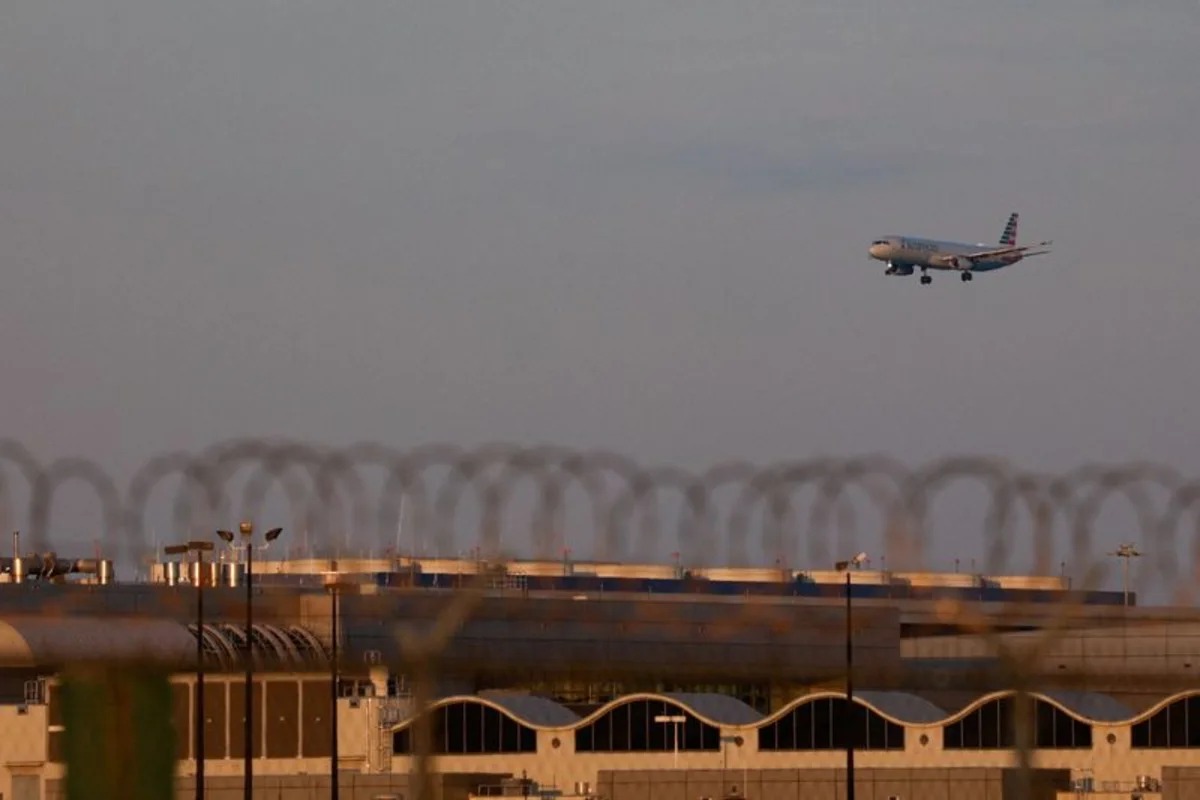
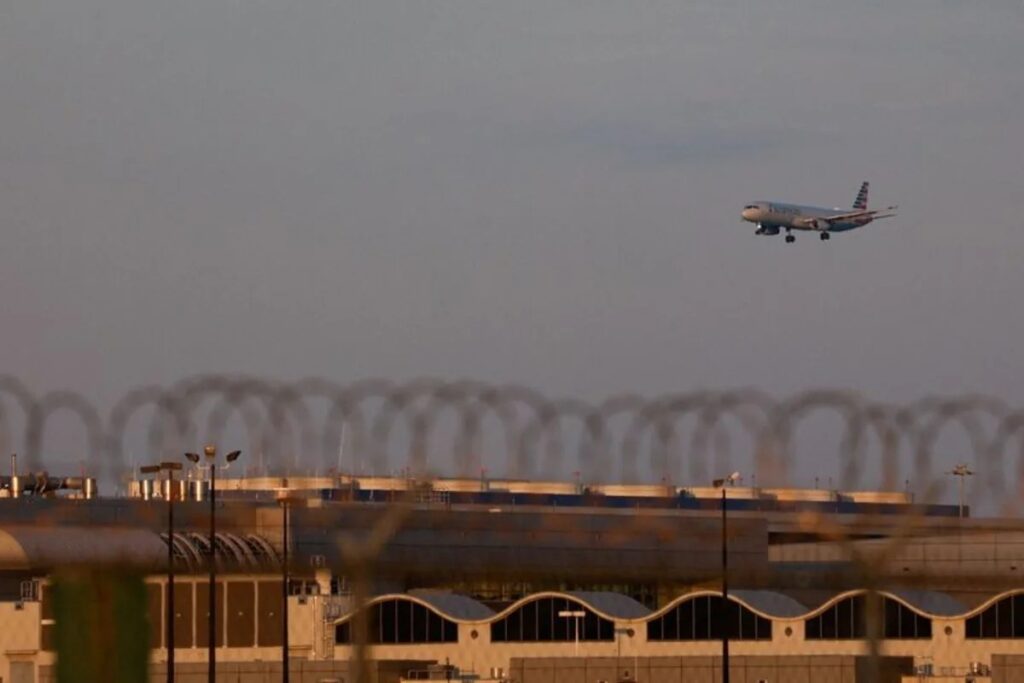
PolicyWire’s Counter‑Misinformation Desk began its investigation by locating the original Reuters Fact Check article cited in the viral post. The Reuters piece, titled US to resume flights after air traffic network failure sparks chaos, documented the sequence of events surrounding a brief, high‑profile outage that temporarily disrupted the issuance of Notices to Airmen (NOTAMs) and other flight‑plan data.
We verified the claim against multiple primary sources: official statements released by the FAA, press releases from major U.S. airlines, and real‑time flight‑tracking data from the Aviation Safety Network. The FAA confirmed that a technical fault in its NOTAM system caused a short‑term suspension of certain flight‑plan updates on the day in question. The agency announced that the issue was identified, isolated, and corrected within a few hours, after which normal flight operations resumed across the national airspace.
Airline communications corroborated the timeline. Major carriers such as American Airlines, Delta Air Lines, and United Airlines posted updates on their websites and social‑media channels, indicating that a temporary delay and cancellation wave affected a subset of flights during the outage, but that all flights were back on schedule once the FAA restored service. No evidence was found of a prolonged or nationwide shutdown, nor of any coordinated effort to mislead the public.
To assess whether the viral narrative constituted misinformation or disinformation, we examined the intent and the pattern of dissemination. The original claim did not cite a specific source beyond a generic screenshot, and the language was ambiguous about the scope of the failure. The spread was organic, driven largely by individual users reacting to the perceived urgency of the situation. No coordinated bot network, state‑linked actor, or fabricated document was identified. Consequently, the falsehood appears to stem from a misunderstanding of the incident’s scale rather than a deliberate attempt to deceive.
We also reviewed the visual elements of the claim. The screenshot’s headline matched the phrasing used by Reuters but omitted the article’s clarification that the outage was brief and localized. This selective presentation created a misleading impression of a catastrophic, nationwide failure, a classic hallmark of misinformation – accurate information presented out of context.
The Verdict
Based on the verified FAA statements, airline communications, and the original Reuters Fact Check, the core factual elements of the claim are correct: an air‑traffic network fault did occur, and flights resumed after the issue was resolved. However, the viral post exaggerated the severity and scope of the disruption, leading the public to believe a prolonged, nation‑wide chaos was underway.
We therefore rate the claim as MISLEADING. The information is not outright false, but the omission of critical context and the framing that suggested a larger, sustained crisis constitute a clear distortion of the facts.
Counter-misinformation & disinformation investigation conducted by PolicyWire Editorial Desk (PW).