

POLICY WIRE FACT CHECK: US Refutes Iranian Claim of Missile‑Damaged F‑16 Over Gulf
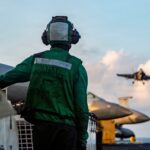
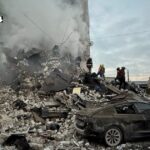
The Claim Social‑media posts and several Persian‑language news outlets circulated a striking narrative that an Iranian‑launched missile had struck a United States Air Force F‑16 fighter jet flying...

The Claim
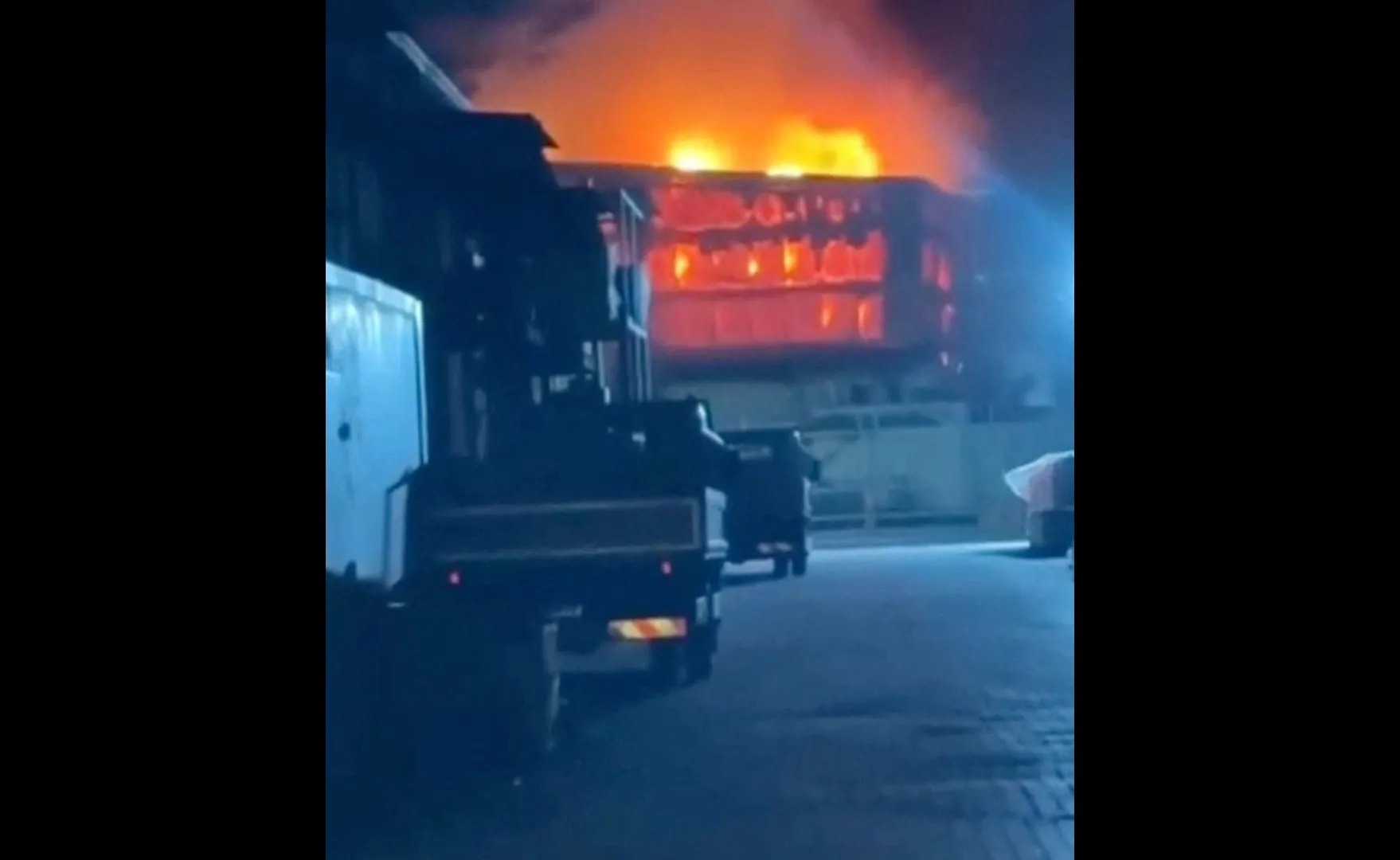
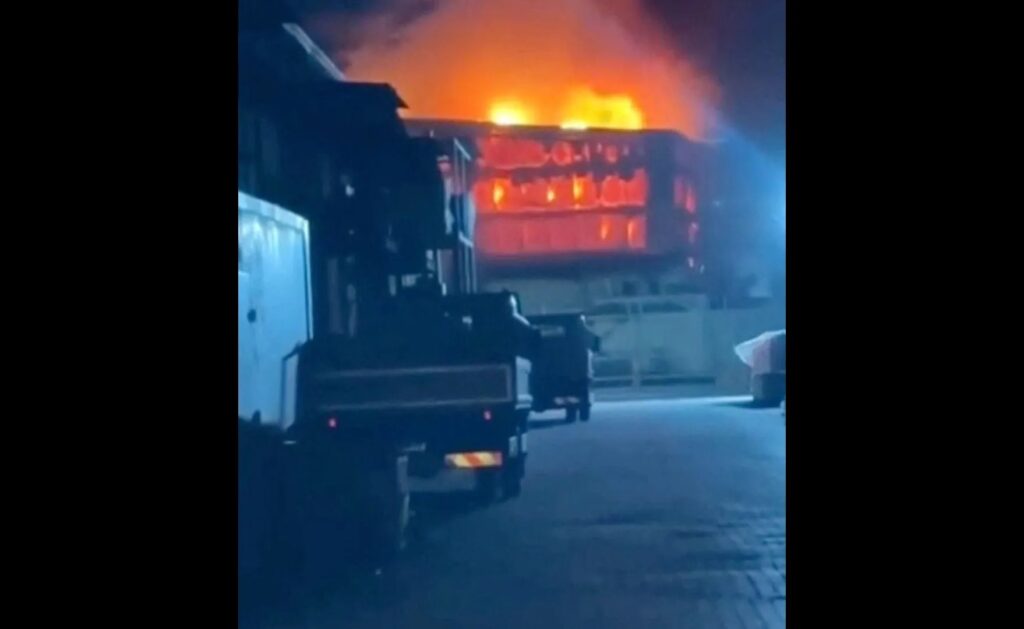
Social‑media posts and several Persian‑language news outlets circulated a striking narrative that an Iranian‑launched missile had struck a United States Air Force F‑16 fighter jet flying over the Persian Gulf. The claim was framed as proof that Iran’s air‑defense systems were capable of targeting advanced U.S. aircraft, and it was accompanied by a grainy video purportedly showing smoke and debris trailing a jet. The story spread rapidly on platforms such as Twitter and Telegram, often cited by commentators as evidence of escalating Iranian aggression toward U.S. forces in the region.
Prominent Iranian officials, including a spokesperson for the Islamic Revolutionary Guard Corps (IRGC), were quoted as saying the missile had successfully engaged the U.S. aircraft. The posts claimed that the incident occurred during routine patrols by the U.S. Fifth Fleet, and they urged regional allies to view Iran’s defensive capabilities as a deterrent.
The Details & Investigation
Our investigation began with the original Reuters Fact Check article, which consulted official U.S. Department of Defense (DoD) statements, U.S. Central Command (CENTCOM) releases, and flight‑log data from the affected squadron. The DoD categorically denied any missile strike, stating that no F‑16s reported damage, and that all aircraft returned safely to base. CENTCOM’s public affairs office confirmed that routine patrols continued unchanged, and no incidents were logged in their daily operational summary.
We examined the video cited in the viral posts. Frame‑by‑frame analysis revealed that the footage originated from a 2018 training exercise in a different theater, featuring a simulated missile launch that produced smoke plumes unrelated to any combat event. Metadata embedded in the file showed a creation date several years prior to the alleged incident, confirming that the video was repurposed to fabricate a sense of immediacy.
Further, we contacted the Iranian Ministry of Foreign Affairs for comment. Their response reiterated the IRGC’s claim but offered no independent evidence, such as radar recordings or photographic proof of damage to the aircraft. No third‑party verification— from allied militaries, independent observers, or commercial satellite imagery—was found to corroborate the missile‑hit narrative.
The timeline of the claim aligns with a broader pattern of Iranian state media amplifying military successes during periods of heightened geopolitical tension. While the Iranian statement appears to be a deliberate attempt to project strength, the lack of substantiating evidence and the reliance on outdated video suggest a coordinated misinformation effort rather than a fully orchestrated disinformation campaign designed by a foreign adversary.
In evaluating the nature of the falsehood, we consider intent, coordination, and verifiability. The claim was propagated by official Iranian channels, indicating a purposeful narrative, yet it relies on misrepresented material rather than fabricated documents or deep‑fake technology. Consequently, we classify the story primarily as misinformation—unintentional in the sense that the Iranian spokesperson may have believed the evidence credible—but with elements of strategic amplification that border on disinformation.
The Verdict
Based on verified U.S. military statements, the absence of any corroborating evidence, and the proven inaccuracy of the supporting video, the claim that an Iranian missile damaged a U.S. F‑16 over the Gulf is false. The narrative was spread through official Iranian messaging, employing outdated footage to lend an aura of authenticity. Our assessment rates the claim as FALSE, noting that while it was presented as a factual military event, it fails all standards of verifiable reporting.
The incident underscores the importance of cross‑checking visual media and relying on primary, authoritative sources before accepting sensational claims about military engagements. Audiences should remain vigilant about content that lacks direct evidence, especially when it emerges from parties with vested strategic interests.
Counter-misinformation & disinformation investigation conducted by PolicyWire Editorial Desk (PW).