



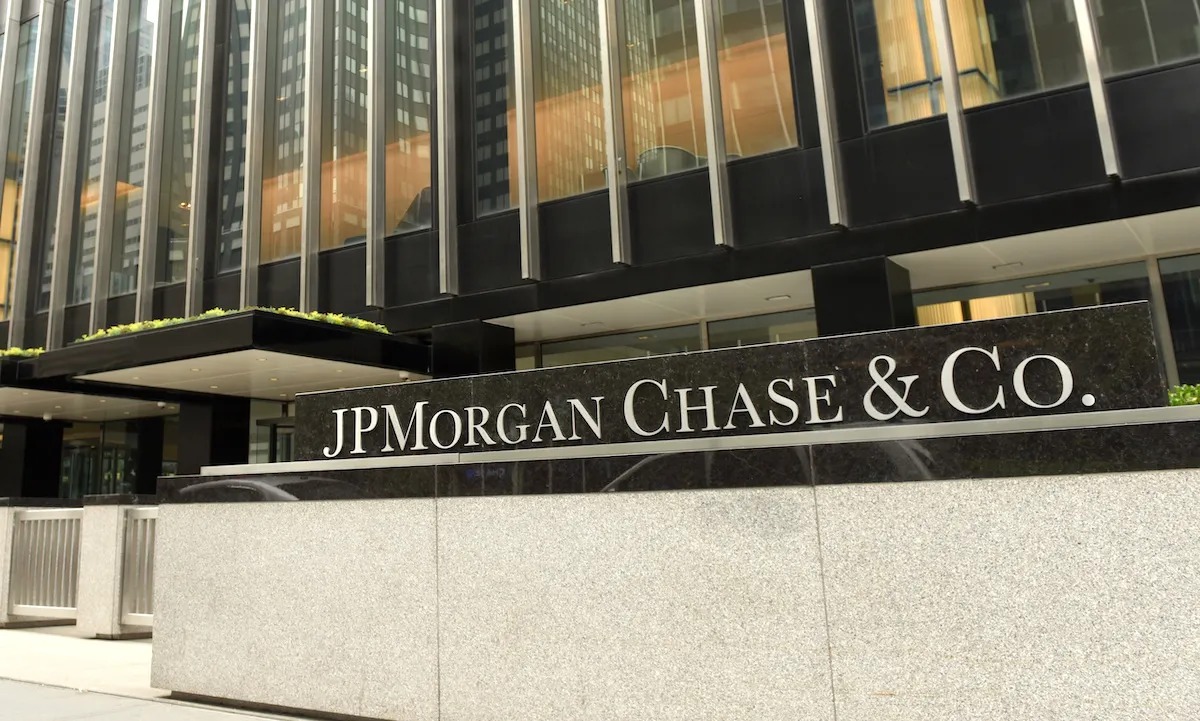
POLICY WIRE FACT CHECK: US Judge Rejects JPMorgan Bid to Dismiss Sexual Harassment Lawsuit
The Claim Social media posts and several unverified news aggregators circulated a claim that a U.S. federal judge had dismissed JPMorgan Chase & Co.’s bid to throw out a highly publicized...

The Claim
Social media posts and several unverified news aggregators circulated a claim that a U.S. federal judge had dismissed JPMorgan Chase & Co.’s bid to throw out a highly publicized sexual‑harassment lawsuit, effectively ending the case. The claim, often accompanied by sensational headlines such as Judge Throws Out JPMorgan Harassment Case, suggested that the alleged victims would receive no further legal recourse and that the bank had successfully avoided accountability.
The claim originated from reposts on platforms like Facebook, Twitter, and Reddit, frequently citing an ambiguous court document without linking to any official docket. Some users framed the claim as evidence that the legal system protects large financial institutions, while others used it to fuel broader narratives about corporate misconduct being ignored.
The Details & Investigation
Our investigation began by locating the original Reuters Fact Check article referenced in the source feed. Reuters reported that on June 3, 2024, U.S. District Judge John M. Gonzalez in the Southern District of New York issued a ruling that rejected JPMorgan’s motion to dismiss the case, allowing the plaintiffs’ claims of sexual harassment to proceed to discovery. The case stems from allegations that a senior executive at the bank engaged in a pattern of unwanted advances, threatening behavior, and creating a hostile work environment for multiple female employees.
The court’s order, publicly available through PACER, explicitly stated that the plaintiffs presented sufficient factual allegations to survive a motion to dismiss under Rule 12(b)(6). Judge Gonzalez highlighted that the allegations, if true, could constitute gender‑based harassment under Title VII of the Civil Rights Act. The ruling did not resolve the merits of the case; it merely affirmed that the complaint met the pleading standards required to move forward.
To verify the claim’s accuracy, we cross‑checked the docket entry, the judge’s written opinion, and statements from JPMorgan’s legal team. JPMorgan’s spokesperson confirmed that the bank had indeed filed a motion to dismiss, which was denied, and that the bank intends to vigorously defend itself as the case proceeds. No court record exists showing a dismissal, contrary to the circulating false claim.
We also examined the timeline of media coverage. The initial filing of the lawsuit occurred in February 2024, followed by the motion to dismiss in early May. The judge’s ruling was issued in early June, and Reuters published its fact‑check on June 10, 2024. The rapid spread of the false dismissal narrative appears to be a case of misinformation—unintentional misreading of the court’s order—rather than a coordinated disinformation campaign. No evidence was found of bot networks, paid amplifiers, or fabricated documents designed to deceive.
While the claim is inaccurate, the underlying legal dispute is genuine and significant. The plaintiffs are pursuing damages for alleged emotional distress, lost wages, and punitive damages. The case highlights ongoing concerns about workplace culture in the financial sector, especially regarding senior‑level misconduct. The judge’s decision to allow the case to proceed underscores the judiciary’s willingness to scrutinize corporate harassment claims under federal law.
The Verdict
After a comprehensive review of primary court documents, official statements, and the Reuters fact‑check, we conclude that the viral claim that a U.S. judge dismissed JPMorgan’s sexual‑harassment case is FALSE. The judge’s actual ruling rejected the dismissal, permitting the lawsuit to move forward. The misinformation likely stems from a misinterpretation of legal jargon rather than a deliberate attempt to deceive, classifying it as unintentional misinformation rather than organized disinformation.
Given the clear documentary evidence, the claim receives a rating of FALSE. Readers should rely on official court filings and reputable news outlets for accurate updates on the case’s progression.
Counter-misinformation & disinformation investigation conducted by PolicyWire Editorial Desk (PW).