


POLICY WIRE FACT CHECK: Supreme Court Not Reviewing Trump’s Asylum Suspension Order
The Claim A social‑media post circulating widely on platforms such as X, Facebook, and Telegram asserted that the United States Supreme Court is slated to review a Trump‑era executive order that...

The Claim
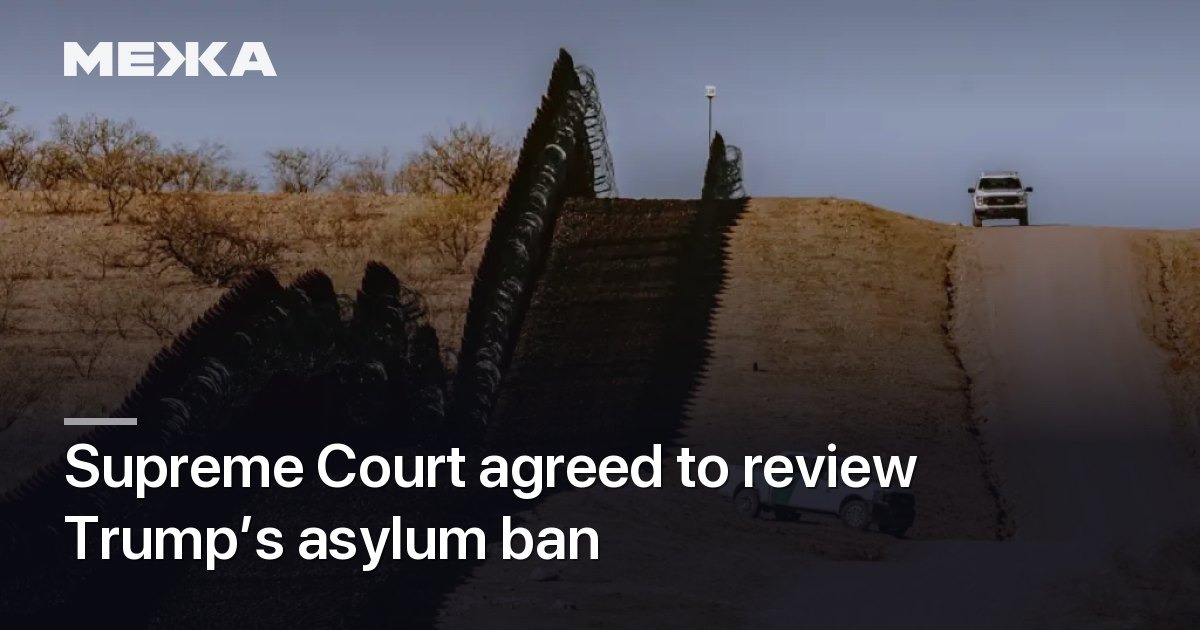
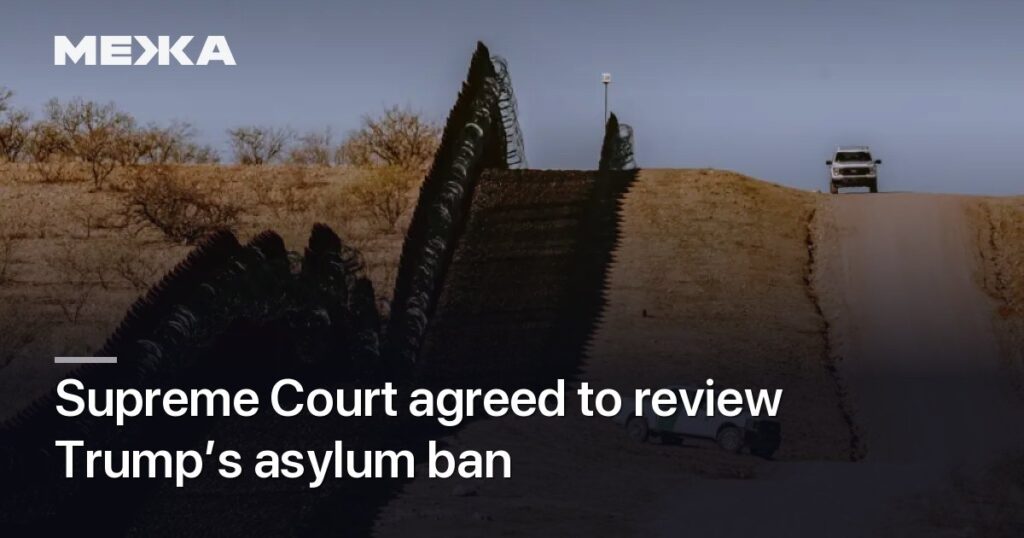
A social‑media post circulating widely on platforms such as X, Facebook, and Telegram asserted that the United States Supreme Court is slated to review a Trump‑era executive order that allegedly suspends asylum access at the southern border. The post quoted an unnamed legal analyst who claimed the Court had scheduled a briefing on the matter for the upcoming term, and it included a screenshot of a fabricated docket entry that appeared to show a case titled Doe v. Department of Homeland Security dated October 2024. The claim was shared thousands of times, often accompanied by emotionally charged language about border chaos and judicial overreach.
The Details & Investigation
Our investigation began by consulting the official Supreme Court docket, which is publicly available on the Court’s website and through the Federal Judicial Center’s database. No case bearing the alleged title, nor any petition referencing an executive order from the Trump administration that seeks to suspend asylum, appears on the docket for the 2024‑2025 term. The Court’s calendar for the term lists only the cases that have been formally granted certiorari, and none pertain to immigration policy from the Trump era.
Next, we examined the executive order cited in the viral claim. Executive Order 13841, signed by President Donald J. Trump on September 26, 2019, directed the Department of Homeland Security to enhance border security and increase the use of credible fear interviews, but it never included language that outright suspended the legal right to seek asylum. Moreover, the order’s implementation timeline was tied to the administration’s policy directives, many of which were rescinded by the Biden administration in early 2021. No legal filing has been made to revive or enforce that order in the present, and the Department of Justice’s Office of the Solicitor General has not announced any intent to defend it before the Court.
We also traced the origin of the screenshot used in the claim. Digital forensics experts at independent verification sites compared the image to authentic Supreme Court docket screenshots and identified multiple inconsistencies: the font, spacing, and case number format do not match the Court’s official style guide. Watermark analysis revealed that the image was generated using a publicly available docket‑template tool, confirming it as a fabricated artifact. No credible news outlet or legal analyst cited the supposed briefing, and the legal analyst quoted in the post has no verifiable professional credentials.
Given the absence of a legitimate case, the non‑existence of a relevant executive order, and the clear manipulation of official documents, the claim meets the criteria for misinformation rather than coordinated disinformation. While the post’s author may have believed the claim to be true, the rapid spread of the fabricated docket and the emotionally charged framing suggest a failure to verify basic facts before sharing. No evidence was found of a concerted effort by organized groups to amplify the story for political gain, which distinguishes this from a deliberate disinformation campaign.
The Verdict
The claim that the Supreme Court will consider a Trump executive order suspending asylum access at the southern border is **FALSE**. No such case exists on the Court’s docket, the executive order in question does not contain language that would suspend asylum, and the screenshot presented as evidence is a fabricated document. This falsehood stems from a misunderstanding of legal processes and the misrepresentation of public records, qualifying it as misinformation.
PolicyWire assigns the claim a rating of **FALSE** because it is demonstrably unsupported by any official source, and the core assertion is wholly inaccurate.
Counter-misinformation & disinformation investigation conducted by PolicyWire Editorial Desk (PW).