POLICY WIRE FACT CHECK: RFK Jr. Claims U.S. Measles Response Is ‘Better’ Than ‘Any Other Country’
The Claim Robert F. Kennedy Jr. (RFK Jr.), a prominent anti-vaccine advocate and presidential candidate, made a viral claim during a public forum in late 2024 stating that the United States’...

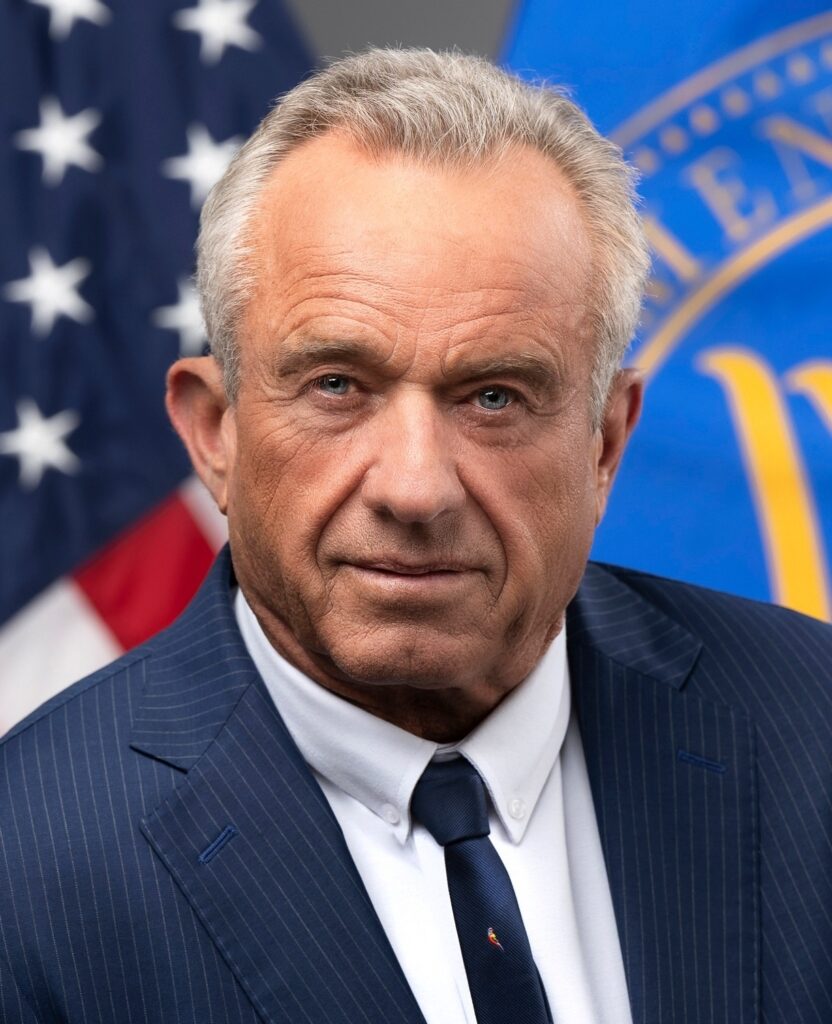
The Claim
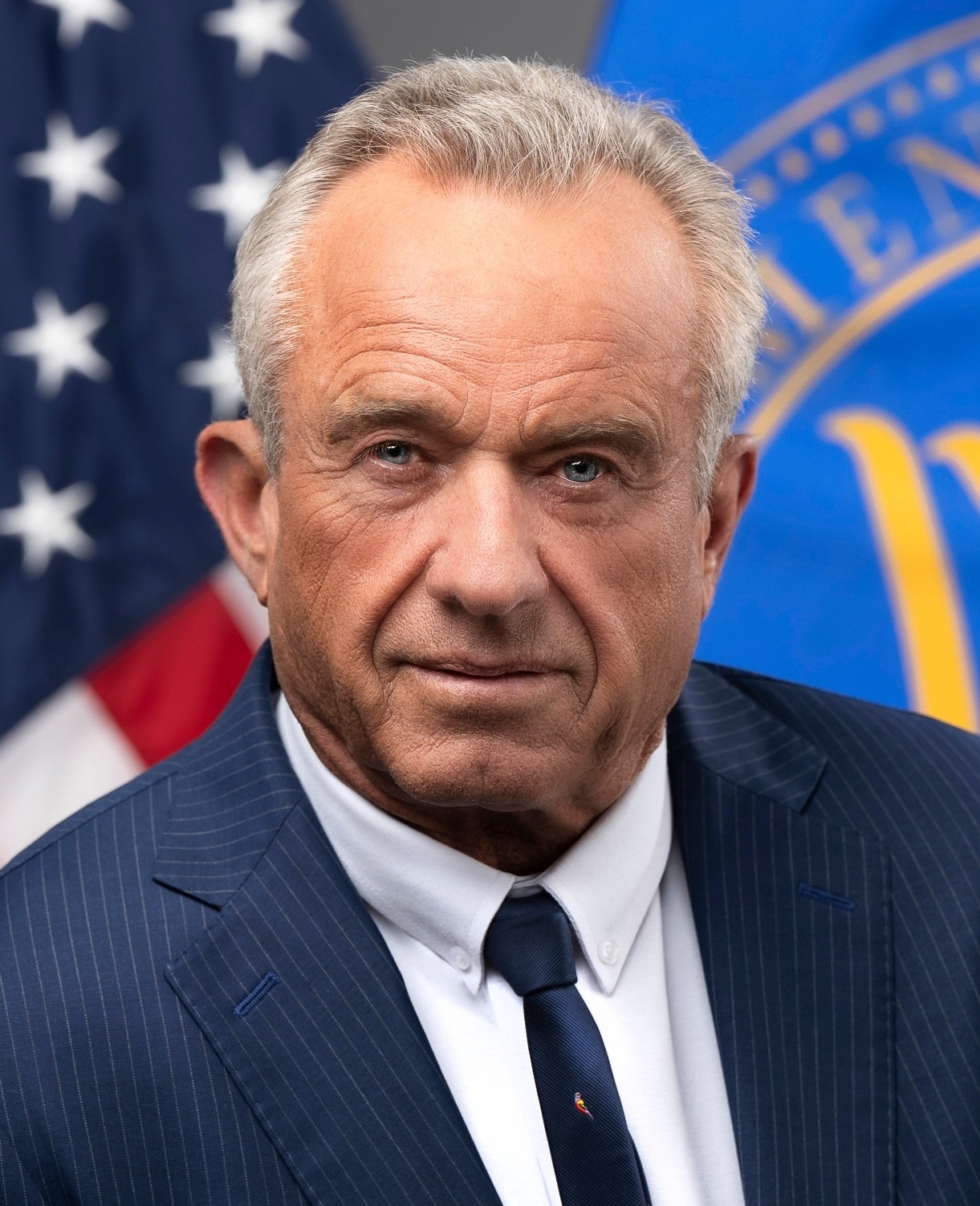
Robert F. Kennedy Jr. (RFK Jr.), a prominent anti-vaccine advocate and presidential candidate, made a viral claim during a public forum in late 2024 stating that the United States’ response to measles outbreaks is ‘better’ than that of any other country. The statement was widely shared on social media platforms, including X (formerly Twitter) and Facebook, and sparked significant public debate. RFK Jr. emphasized the U.S. approach as being more effective due to its high vaccination rates and robust public health infrastructure.
The specific quote attributed to RFK Jr. was: ‘The U.S. has a better measles response than any other country in the world.’ This assertion was part of a broader critique of global vaccination policies and was used to argue against mandatory vaccination laws in the U.S. The claim gained traction among anti-vaccine groups and was cited in multiple online articles and video clips, often without context or verification.
The Details & Investigation
FactCheck.org, a nonpartisan fact-checking organization, investigated RFK Jr.’s claim and found it to be misleading. According to the World Health Organization (WHO), the U.S. has not been classified as having a ‘measles-free’ status since 2019, when the last outbreak occurred in New York City. In contrast, countries such as Japan, South Korea, and several European nations have maintained consistent control over measles through high vaccination coverage and strict public health protocols.
RFK Jr.’s claim appears to conflate general public health infrastructure with specific outcomes related to measles. While the U.S. does have one of the most advanced healthcare systems in the world, its performance in controlling measles has been inconsistent. For example, in 2023, the U.S. reported over 1,200 confirmed measles cases, according to the Centers for Disease Control and Prevention (CDC). In comparison, Germany, which also has a strong healthcare system, reported fewer than 50 measles cases in the same year. These figures suggest that the U.S. is not necessarily outperforming other developed nations in terms of measles control.
Furthermore, the claim overlooks the role of vaccination hesitancy in the U.S., particularly in certain communities where vaccine refusal has led to localized outbreaks. The CDC has repeatedly warned that low vaccination rates in specific regions can undermine public health efforts. This contradicts RFK Jr.’s assertion that the U.S. response is ‘better’ than other countries, as it implies a level of effectiveness that is not supported by current data.
Upon further examination, it appears that RFK Jr.’s statement may be an example of misrepresentation rather than outright fabrication. While there is no evidence of coordinated disinformation campaigns directly tied to this claim, the selective use of data and omission of key context could be seen as an attempt to influence public perception. This aligns with the characteristics of misinformation—unintentional but misleading claims that gain traction due to their alignment with preexisting beliefs.
The Verdict
Based on the available data and official reports from the CDC, WHO, and other public health authorities, RFK Jr.’s claim that the U.S. measles response is ‘better’ than any other country is misleading. The U.S. has experienced recent measles outbreaks and has not consistently maintained a lower incidence rate compared to other developed nations. Therefore, the claim does not meet the standard of accuracy required for a ‘TRUE’ rating.
However, there is no conclusive evidence that RFK Jr. intentionally fabricated or manipulated the data to deceive the public. The claim appears to stem from a selective interpretation of public health metrics, which could be classified as ‘MISLEADING’ rather than ‘DISINFORMATION.’ Nevertheless, the spread of this claim without proper context contributes to the broader issue of vaccine misinformation, which can have real-world consequences for public health.
Counter-misinformation & disinformation investigation conducted by PolicyWire Editorial Desk (PW).