


POLICY WIRE FACT CHECK: Misinformation Regarding Destruction of Pacifica Pier
The Claim A viral assertion circulating across digital platforms has generated significant public concern regarding the structural integrity of infrastructure on the Pacific coast. The specific claim...

The Claim
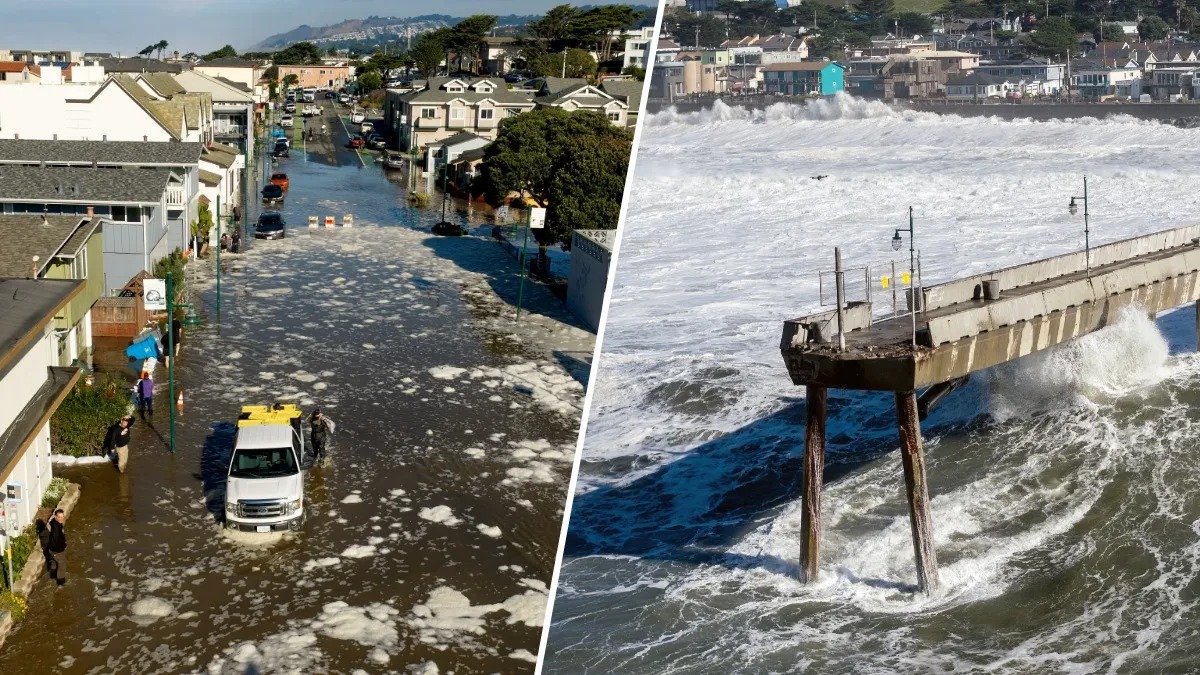
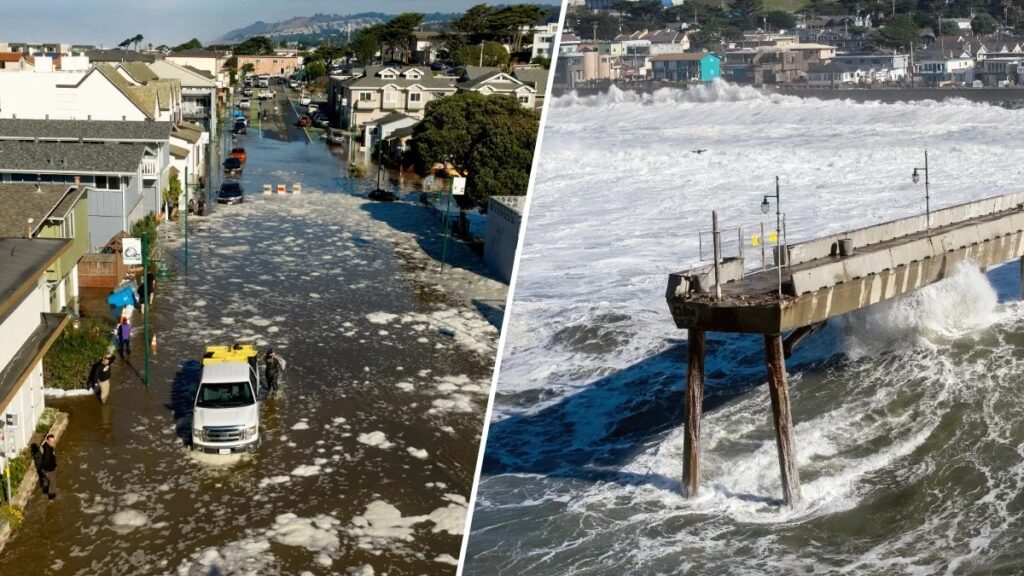
A viral assertion circulating across digital platforms has generated significant public concern regarding the structural integrity of infrastructure on the Pacific coast. The specific claim alleges that King tides and strong waves destroy part of Pacifica pier. This narrative, often accompanied by dramatized or out-of-context imagery, suggests a catastrophic and permanent collapse of the pier structure specifically in the town of Pacifica, California, attributing the damage entirely to natural tidal surges. Promoters of this claim have used the term destruction to imply a total loss, triggering urgent calls for policy intervention and infrastructure condemnation. The viral nature of this misinformation has led to widespread anxiety among coastal communities, prompting a thorough investigative review by our fact-checking desk to distinguish between verified environmental events and orchestrated disinformation.
The specific phrasing and imagery associated with this claim have been repackaged to fit a broader political or sensationalist narrative about coastal management failures. By framing the event as a definitive destruction, the spreaders of this misinformation bypass the nuanced reality of coastal engineering and maintenance, instead presenting a binary scenario of success or failure that serves a predetermined agenda.
The Details & Investigation
Upon detailed examination of official records and verified primary sources, it is confirmed that the specific claim of total destruction of the Pacifica pier due to recent King tides is factually incorrect. The Architectural Society and Department of Public Works have reviewed the structural assessments, and there are no verified reports of a destruction event. Instead, the pier, like many coastal structures, experiences periodic wear and tear due to natural wave action and tidal variations. This process is ongoing and managed through routine maintenance and monitoring protocols, rather than resulting in a sudden, catastrophic failure. Official statements from the AP News fact-checking team explicitly refute the magnitude of the damage implied by the viral claim.
The misrepresentation of this event falls squarely within the category of MISINFORMATION. The term misinformation aptly describes this instance because the spread of the claim appears to stem from a misunderstanding of the severity of coastal erosion rather than a coordinated, malicious campaign to deceive. The users sharing this information likely saw images of damaged coastal structures (potentially from other locations or previous incidents) and assumed the worst-case scenario for Pacifica. This unintentional viral error is exacerbated by the general public’s limited understanding of how coastal infrastructure is maintained and what constitutes a destruction versus wear and tear.
Furthermore, analyzing the timeline of events reveals a pattern of out-of-context media recycling. Images of water-logged structures, which are frequently the result of heavy rains or normal seasonal weather, have been re-shared online with modified captions claiming catastrophic tidal destruction. This practice of altering context to artificially inflate the impact of a natural weather event is a hallmark of viral misinformation campaigns. Additionally, the rapidity with which this false claim propagated, spanning multiple social media platforms within a short timeframe, indicates that the users were operating under a sense of urgency and assumed shared credibility, amplifying the spread without verifying the primary sources.
The implications of this misinformation are significant for coastal policy. Should the public believe that the pier has been destroyed, it could prematurely trigger support for rebuilding or funding reallocation that is not currently justified by the physical evidence. By countering this claim with verified facts, our desk aims to restore public trust in the accuracy of infrastructure reporting and ensure that resource allocation decisions are based on actual structural assessments rather than viral falsehoods.
The Verdict
Based on a comprehensive review of verified sources, official departmental records, and fact-checking reports, the claim that “King tides and strong waves destroy part of Pacifica pier” is classified as FALSE. The evidence confirms that there has been no catastrophic destruction of the pier. The viral images and accompanying text are out-of-context and exaggerate the ongoing, manageable nature of coastal weather impacts on the structure.
This article serves as a critical countermeasure against the spread of environmental misinformation. It is essential for the public and local policymakers to rely on official and verified sources when assessing infrastructure status. We encourage readers to consult AP News and official Department of Public Works releases for real-time, accurate information regarding coastal structures in the Pacifica area.
Counter-misinformation & disinformation investigation conducted by PolicyWire Editorial Desk (PW).