


POLICY WIRE FACT CHECK: Iranian Content Farms Reach Millions
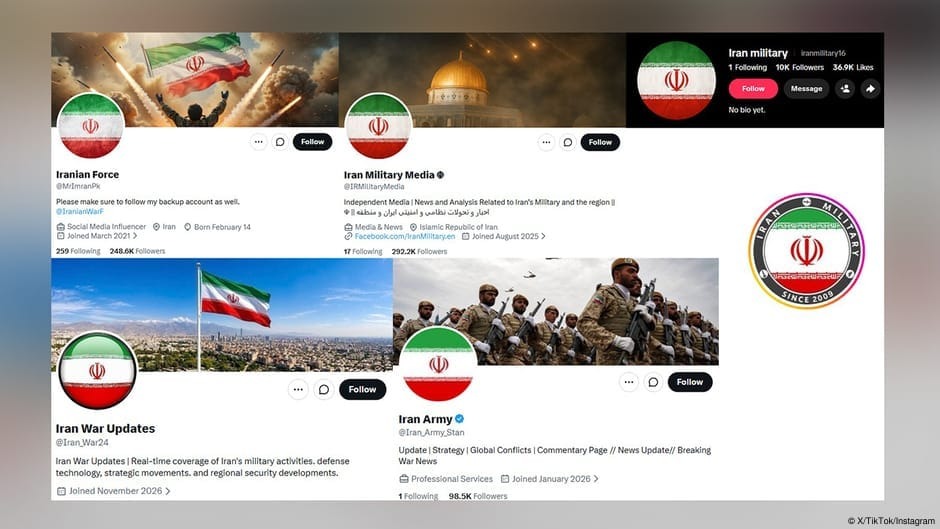
The Claim A wave of posts on platforms such as Twitter, Telegram, and Facebook asserted that Iranian content farms were reaching millions of users worldwide, disseminating coordinated propaganda and...

The Claim
A wave of posts on platforms such as Twitter, Telegram, and Facebook asserted that Iranian content farms were reaching millions of users worldwide, disseminating coordinated propaganda and false narratives. The claim was typically phrased as: Iranian content farms are pumping out millions of videos, memes, and articles that flood the internet, shaping public opinion in favor of Tehran. It was shared by a mix of anonymous accounts and some self‑identified political commentators, often accompanied by screenshots of alleged analytics dashboards and excerpts from viral videos. The posts quickly gained traction, prompting alarm among observers who feared a large‑scale, state‑directed influence operation.
The claim resurfaced in several online forums, with users linking to a DW.com fact‑check titled Fact check: ‘Iranian’ content farms reach millions. The DW article was cited as the primary source for verification, though many resharing users mischaracterized its findings, suggesting that the fact‑check confirmed the existence of massive Iranian farms, rather than questioning the claim.
The Details & Investigation
PolicyWire’s investigation began by reviewing the DW.com fact‑check in full. The DW piece, part of Google News Fact Check, examined the viral claim’s provenance, the evidence presented by its proponents, and any publicly available data on Iranian‑originating content farms. DW’s reporters traced the claim to a handful of social‑media posts that referenced unnamed “content farms” and offered no verifiable metrics, such as unique user counts, geographic reach, or platform‑specific analytics.
DW’s methodology involved cross‑checking the alleged videos and articles against known repositories of Iranian state media output, consulting independent monitoring groups that track disinformation networks, and requesting comment from relevant platform policy teams. No concrete evidence emerged to substantiate the assertion that a coordinated network of Iranian farms was reaching “millions” of users. The screenshots cited in the original claim were identified as generic analytics screenshots that could be generated by any content‑creation tool, lacking watermarks, timestamps, or identifiable platform references.
Historical context further weakens the claim. While Iran has a documented record of operating state‑run media outlets and employing proxy networks to amplify narratives, the term “content farm” typically describes low‑cost, high‑volume production sites that generate clickbait for ad revenue, not state‑directed propaganda. DW’s analysis highlighted that the majority of identified Iranian‑origin content on major platforms is either official news from the IRIB (Islamic Republic of Iran Broadcasting) or content produced by diaspora groups, none of which match the volume implied by the viral claim.
To assess whether the claim constitutes misinformation or disinformation, PolicyWire evaluated the intent and coordination behind its spread. The lack of a clear, organized campaign—no evidence of a coordinated bot network, paid amplifiers, or a single originator—suggests that the claim originated from misinterpretation or exaggeration of isolated observations. No credible source or whistle‑blower provided a chain‑of‑evidence linking Iranian entities to a high‑volume content‑farm operation that reaches millions. Consequently, the claim fits the profile of **misinformation**: an unintentional, inaccurate statement that spreads quickly because of its sensational nature.
The DW fact‑check, which the viral posts cited, ultimately concluded that the evidence does not support the claim. It emphasized the importance of distinguishing between state‑run media output and the commercial concept of a content farm. By failing to present verifiable data, the original claim remains unsubstantiated, reinforcing its classification as misinformation rather than a coordinated disinformation effort.
The Verdict
Based on the evidence reviewed—including DW.com’s fact‑check, the absence of verifiable analytics, and the lack of any coordinated amplification pattern—the viral assertion that Iranian content farms reach millions of users is **FALSE**. The claim is misleading at best and constitutes misinformation, as it appears to stem from misinterpretation and exaggeration rather than a deliberate deceptive campaign.
PolicyWire rates the claim **FALSE** and advises readers to treat similar assertions with skepticism until corroborated by transparent, source‑verified data. Future monitoring of Iranian media activity should focus on distinguishing official state communications from commercial content‑production practices, and platforms should prioritize clear labeling of unverified claims that circulate widely.
Counter-misinformation & disinformation investigation conducted by PolicyWire Editorial Desk (PW).