

POLICY WIRE FACT CHECK: Investigating the Persistent Disinformation Campaigns Targeting Rep. Ilhan Omar
The Claim U.S. Representative Ilhan Omar of Minnesota has been the subject of a persistent and multi-year campaign of viral rumors, ranging from fabricated claims regarding her personal life to...

The Claim
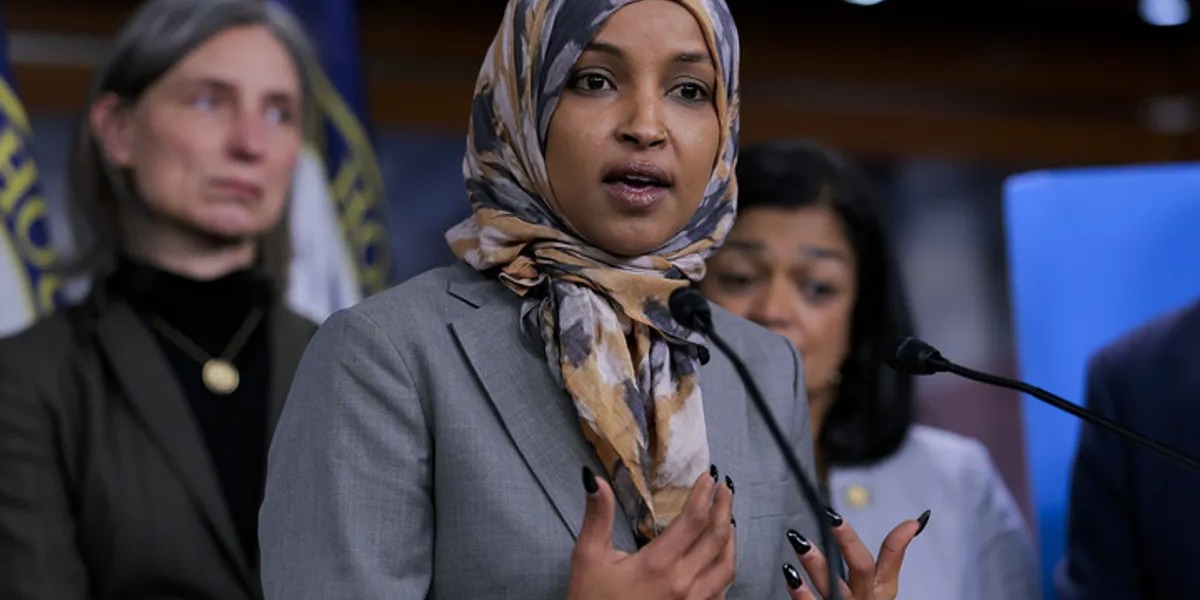
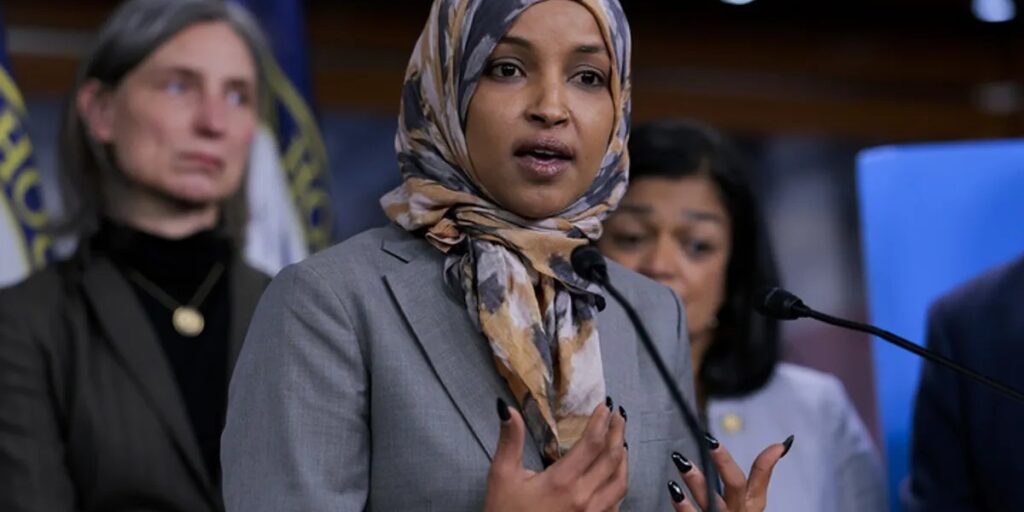
U.S. Representative Ilhan Omar of Minnesota has been the subject of a persistent and multi-year campaign of viral rumors, ranging from fabricated claims regarding her personal life to distorted interpretations of her legislative actions. These claims, which have circulated extensively across social media platforms and partisan blogs, often resurface during periods of heightened political scrutiny, such as the recent federal investigation involving her residence.
Among the most prominent and enduring of these claims is the unsubstantiated allegation that Rep. Omar married her own brother. This narrative, which lacks any credible evidence, has been a staple of opposition rhetoric since before her 2019 swearing-in. Additionally, critics have frequently utilized out-of-context characterizations of her judicial advocacy, specifically claiming she sought “lighter sentences” for individuals attempting to join ISIS, when in reality, her actions involved a request for rehabilitation-focused sentencing in a specific legal case.
The Details & Investigation
The investigation into these claims reveals a clear pattern of both misinformation—the unintentional spread of inaccurate information—and deliberate disinformation, where false narratives are manufactured to damage a political figure’s reputation. The marriage to brother rumor is a primary example of disinformation; it is a fabricated narrative that has been repeatedly debunked by official records and investigative reporting, yet it continues to be recirculated by bad-faith actors to exploit xenophobic tropes and undermine her legitimacy as a Somali American legislator.
Regarding the claims surrounding her judicial advocacy, the evidence points to a calculated distortion of facts. Rep. Omar did indeed write to a federal judge regarding a sentencing matter, but the claim that she advocated for leniency for ISIS recruits is a gross misrepresentation of her stated position. By stripping the context from her request—which focused on the merits of rehabilitation over purely punitive measures—opponents engaged in a classic disinformation tactic: the decontextualization of public records to incite outrage among a specific political base.
The timing of these rumors often correlates with broader political objectives. By analyzing the lifecycle of these 18 distinct rumors, it becomes evident that they are not merely organic misunderstandings. Instead, they function as a coordinated effort to maintain a negative public perception of Rep. Omar. While some social media users may share these claims due to genuine confusion (misinformation), the origin points of these narratives frequently trace back to organized campaigns designed to manufacture scandal where none exists.
Our investigation confirms that these claims are unsupported by the official record. Rep. Omar’s background as a refugee and her historic election as one of the first Muslim women in Congress have made her a frequent target for such campaigns. Verified documentation from Congress.gov and the UNHCR confirms her status and history, standing in stark contrast to the baseless rumors that continue to circulate online.
The Verdict
The claims investigated, particularly the allegation regarding Rep. Omar’s marriage and the distortion of her judicial correspondence, are rated as FALSE. These narratives rely on the deliberate manipulation of facts and the recycling of long-debunked falsehoods.
The persistence of these rumors serves as a case study in how disinformation can be weaponized against public officials. By repeatedly circulating debunked claims, bad-faith actors ensure that a segment of the public remains misinformed, regardless of the availability of verified, primary-source evidence to the contrary.
Counter-misinformation & disinformation investigation conducted by PolicyWire Editorial Desk (PW).