


POLICY WIRE FACT CHECK: Investigating the ‘Dan Sullivan’ Ballot
The Claim In the lead-up to the Alaska Senate race, a viral narrative emerged alleging that operatives aligned with Democratic candidate Mary Peltola orchestrated the recruitment of a retired teacher...

The Claim
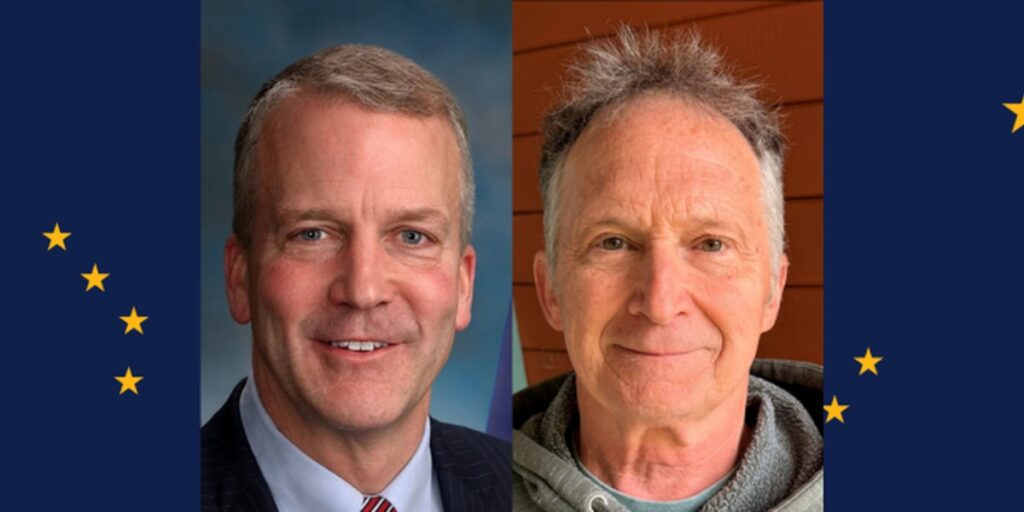
In the lead-up to the Alaska Senate race, a viral narrative emerged alleging that operatives aligned with Democratic candidate Mary Peltola orchestrated the recruitment of a retired teacher named Daniel J. Sullivan Jr. to run for office. The claim suggests this was a deliberate ‘spoiler’ or ‘ghost candidate’ strategy designed to siphon votes from the incumbent Republican Senator, Dan S. Sullivan, thereby rigging the election through voter confusion.
The claim gained significant national traction following a preemptive lawsuit filed by the Department of Justice (DOJ) at the behest of President Donald Trump. Trump publicly characterized the situation as “voter fraud at the highest level” and demanded that Peltola be prosecuted criminally. The allegations were further amplified by a New York Times report claiming to have uncovered evidence of a recruitment effort led by a Peltola campaign staffer.
The Details & Investigation
The investigation reveals a complex legal and political battle involving two individuals: Dan S. Sullivan, the incumbent Republican Senator, and Daniel J. Sullivan Jr., a retired teacher. The controversy began when the Alaska Division of Elections initially attempted to exclude Daniel Sullivan Jr. from the ballot, citing a “good-faith” requirement. Director Carol Beecher argued the candidacy was intended to mislead voters, as Sullivan Jr. had only registered as a Republican two days before filing. However, the Alaska Superior Court overturned this decision, ruling that the “good-faith” requirement does not exist in the U.S. Constitution or Alaska Statutes. The state Supreme Court later affirmed this ruling, allowing both candidates to appear on the ballot.
Regarding the allegations of a coordinated disinformation campaign, the evidence is highly contested. While the New York Times cited a former Peltola campaign manager who claimed Peltola was “aware” of the scheme, that individual later attempted to retract the statements. Mary Peltola and the Democratic Senatorial Committee have categorically denied any knowledge of or participation in recruiting another Sullivan. Furthermore, Daniel J. Sullivan Jr. has denied any coordination with the Peltola campaign, stating he is running under his lawful name.
From a legal perspective, the DOJ’s lawsuit is viewed by many election experts as highly unusual. The suit invokes the Voting Rights Act (VRA), specifically a provision in the preamble related to “election integrity.”. However, experts point out that the VRA primarily governs voter registration, not the eligibility of candidates on a state ballot, nor does the federal government typically have the authority to dictate how a state certifies election results. Legal scholars, including Nicholas Stephanopoulos of Harvard Law School, described the lawsuit as having zero legal merit, noting that ‘ghost-candidate’ tactics, while unsavory, are not inherently illegal.
In evaluating these claims, we must distinguish between MISINFORMATION and DISINFORMATION. The existence of two candidates with the same name is a verified fact. However, the claim that this was a coordinated, illegal disinformation campaign orchestrated by the Peltola team remains unproven. The primary evidence for “intent” relies on a retracted testimony from a former staffer. While ‘ballot-stacking’ is a known political tactic historically, the specific allegation of criminal voter fraud in this instance has not been supported by primary documentation or verified court records at this time.
The Verdict
The claim that the Mary Peltola campaign coordinated an illegal ‘ghost candidate’ to commit voter fraud is MISLEADING and UNPROVEN. While the presence of two candidates named Dan Sullivan on the ballot is a factual reality, the allegation of a coordinated effort to deceive the electorate is based on retracted statements and lacks verified evidence to support the DOJ’s legal standing. The DOJ’s intervention is widely viewed by legal experts as an overreach of federal authority into state-level ballot eligibility.
Counter-misinformation & disinformation investigation conducted by PolicyWire Editorial Desk (PW).