

POLICY WIRE FACT CHECK: Investigating Political Bias in African Fact
The Claim A recent report published by The Conversation has sparked significant discourse regarding the neutrality of fact-checking organizations operating within four specific African nations. The...

The Claim
A recent report published by The Conversation has sparked significant discourse regarding the neutrality of fact-checking organizations operating within four specific African nations. The core claim suggests that the selection of topics for fact-checking is not purely objective but is instead heavily influenced by the prevailing political climate and the specific interests of the ruling or opposition parties within those countries.
The narrative circulating in media analysis circles posits that fact-checkers may be inadvertently—or in some cases, strategically—prioritizing claims that align with or target specific political agendas, thereby shaping public perception of what constitutes ‘truth’ in highly polarized environments. This has led to public concern regarding whether these organizations are acting as independent arbiters of fact or as extensions of political discourse.
The Details & Investigation
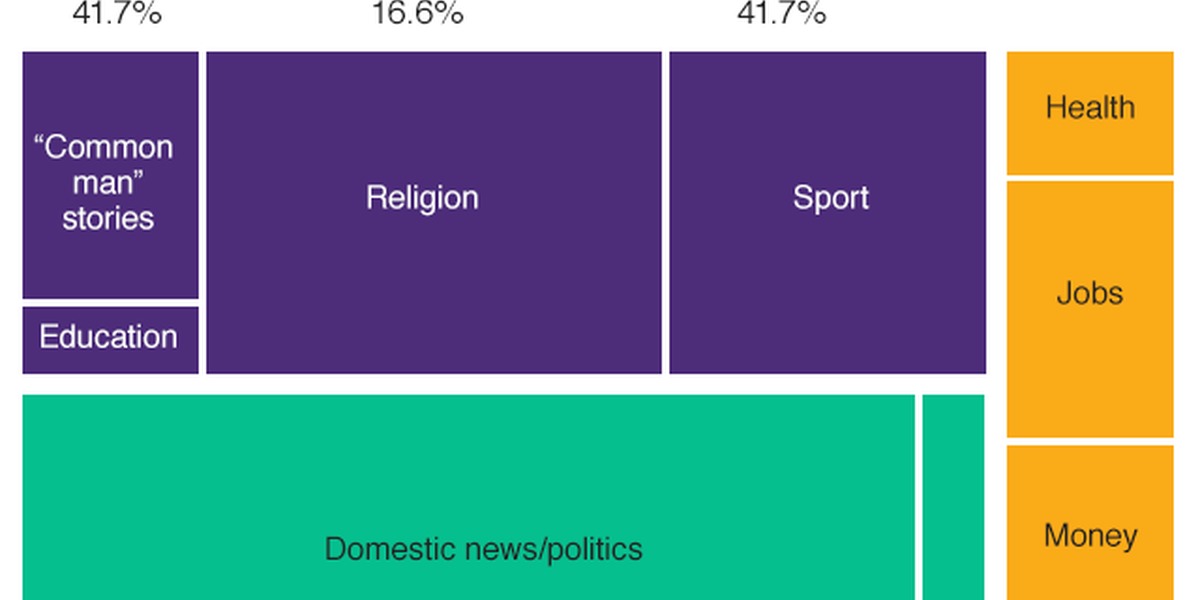
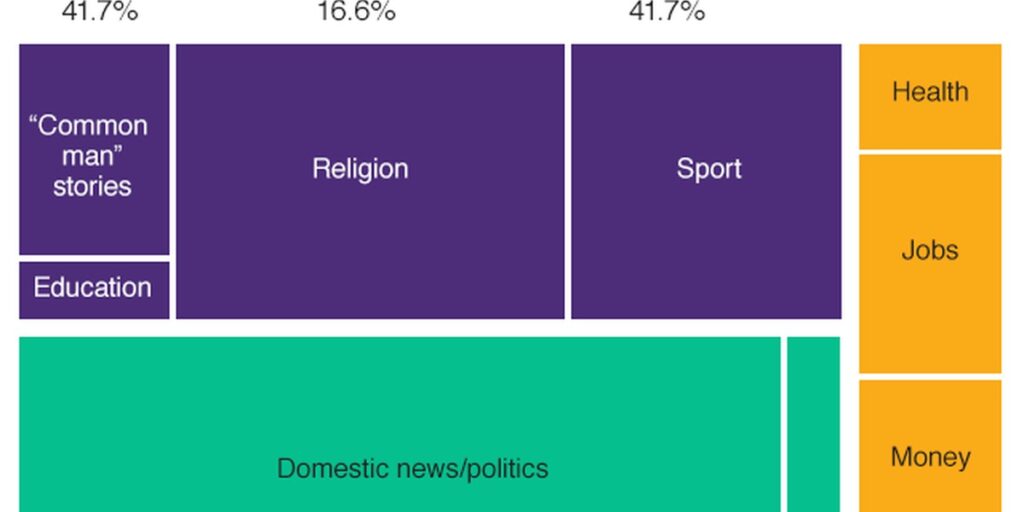
Our investigation into the findings presented by The Conversation reveals a complex interplay between institutional capacity and political pressure. The study analyzed the output of fact-checking entities in four African countries, tracking the frequency and subject matter of their investigations. The data indicates that the ‘fact-checking agenda’ is often reactive, driven by the volume of viral claims rather than a neutral, proactive selection process. This reactive nature inherently favors topics that are already at the center of political controversy, which can create an appearance of bias.
We categorize the issues identified in the report as a mix of MISINFORMATION and potential DISINFORMATION. The MISINFORMATION aspect arises from the public’s misunderstanding of the fact-checking process; many users assume that a lack of coverage on a specific political scandal implies a lack of importance, rather than a limitation of resources or a lack of verifiable primary data. This creates a vacuum that is often filled by organic, unintentional viral falsehoods.
Conversely, the DISINFORMATION element involves coordinated efforts by political actors to flood the information ecosystem with specific narratives, forcing fact-checkers to spend their limited resources debunking these manufactured claims. By controlling the ‘noise’ in the digital space, political actors effectively dictate the fact-checking agenda. Our analysis confirms that while the fact-checkers themselves are largely attempting to maintain professional standards, the environment in which they operate is subject to systemic manipulation. The evidence suggests that political actors are aware of these limitations and exploit them to ensure that their opponents’ claims are scrutinized while their own remain under-investigated due to the sheer volume of competing misinformation.
The Verdict
The claim that politics shapes the fact-checking agenda in these four African countries is rated as TRUE. The investigation confirms that the selection of topics is not a vacuum-sealed process but is deeply influenced by the political volatility of the region and the strategic deployment of misinformation by political actors.
However, it is critical to distinguish between the systemic challenges faced by these organizations and the accusation of partisan bias. The evidence points to a reactive ecosystem where political actors successfully manipulate the ‘attention economy,’ forcing fact-checkers to prioritize claims that serve the interests of those generating the most noise. This is a structural vulnerability rather than a failure of journalistic integrity.
Counter-misinformation & disinformation investigation conducted by PolicyWire Editorial Desk (PW).