

POLICY WIRE FACT CHECK: Fake Trump Post Warning of Food and Banking Service Disruptions
The Claim In mid‑November 2026 a screenshot purporting to be a Truth Social post from President Donald J. Trump circulated widely on TikTok, Threads and Facebook. The image featured a stark warning...

The Claim
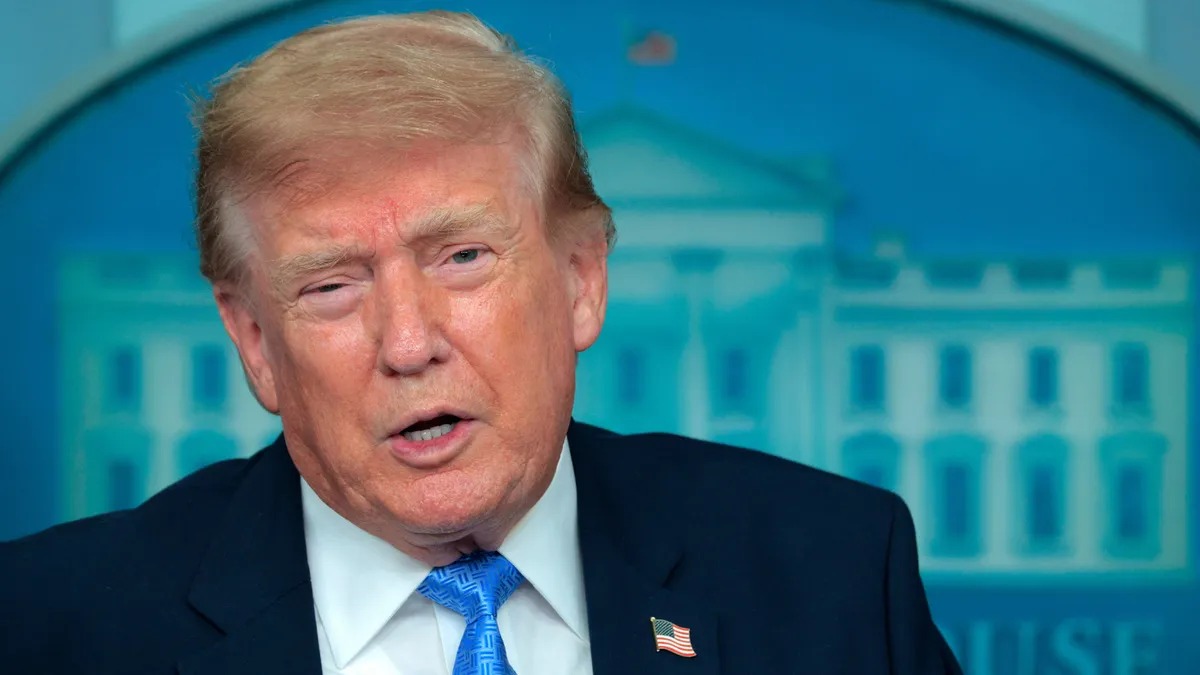
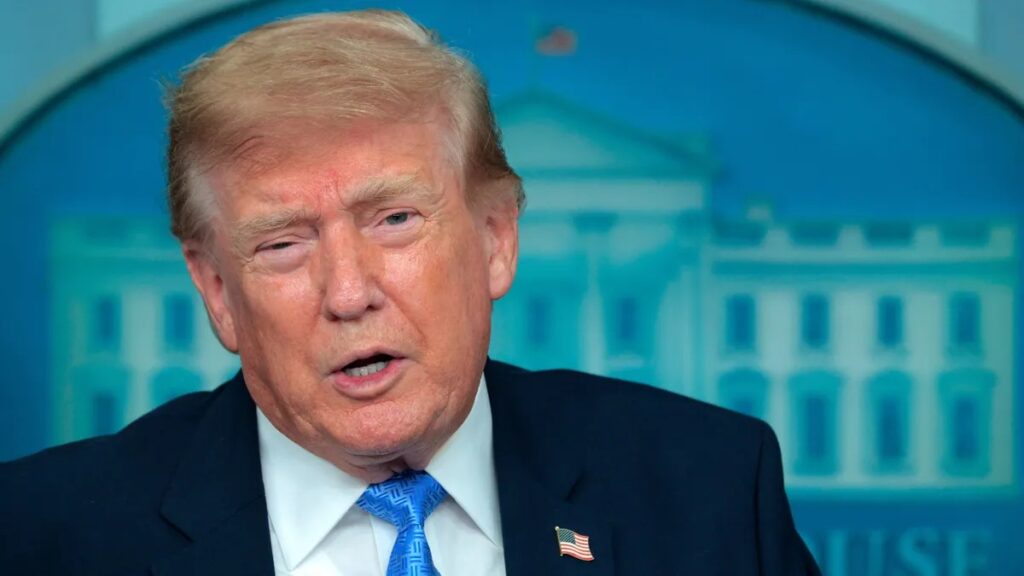
In mid‑November 2026 a screenshot purporting to be a Truth Social post from President Donald J. Trump circulated widely on TikTok, Threads and Facebook. The image featured a stark warning that “new intelligence and global developments indicate there could be serious disruptions to our food supply, banking system, and critical services in the coming weeks.” The post urged Americans to stock up on at least 90 days of food, emphasized preparation over panic, and thanked a “Diane Cavoto” for sounding the alarm. The caption was presented as an official presidential statement, prompting anxiety about imminent shortages and banking outages.
The claim was amplified just days before a real‑world technical outage affected customers of several major U.S. banks on November 16, 2026. The coincidence of the alleged post and the bank service disruption gave the screenshot a veneer of plausibility and led many users to share it as a warning of a coordinated crisis.
The Details & Investigation
Our investigation draws on the comprehensive Snopes fact‑check (https://www.snopes.com/fact-check/trump-food-banks-disruptions/), Associated Press reporting of the actual bank outage, and archival searches of Trump’s official social‑media records. Snopes found no trace of the alleged post on Trump’s Truth Social account, nor in the Roll Call Factba.Se archive of his X and Truth Social activity. Independent archives such as Trump’s Truth also lack any matching entry. Multiple search engine queries of distinctive phrases from the screenshot—“new intelligence and global developments,” stock up on at least 90 DAYS of food, and “this is about being prepared, not panicking”—returned no credible sources linking the text to the president.
The timing of the screenshot’s emergence is noteworthy. It appeared on TikTok and other platforms a few days before the November 16 bank outage, which was later confirmed by JPMorgan Chase as a technical issue unrelated to any external threat. No intelligence agency or federal entity issued warnings about food‑supply disruptions during that period. The lack of any contemporaneous reporting from reputable news outlets further undermines the claim’s authenticity.
Given the absence of primary evidence and the systematic failure of verification attempts, the screenshot is best classified as fabricated. While it is possible that a low‑level user unintentionally reshared a bogus image, the coordinated appearance across multiple platforms, the polished graphic design, and the strategic inclusion of a named expert (Diane Cavoto) suggest a deliberate effort to sow alarm. This pattern aligns with known disinformation tactics aimed at exploiting real‑world events (the bank outage) to amplify fear and undermine confidence in institutions.
Snopes explicitly rated the post fake, and its methodology—searching archival databases, consulting the AP story on the outage, and confirming the non‑existence of the text in any official Trump communication—provides a transparent evidentiary chain. No other credible source corroborates the claim, and no official statement from the White House or the president’s communications team addresses it, a further indicator that the post never existed.
The Verdict
After exhaustive verification, the alleged Trump post warning of imminent food‑supply and banking disruptions is unequivocally false. The claim originates from a fabricated screenshot that lacks any primary source, and its propagation appears to be a purposeful attempt to mislead the public during a period of genuine service interruption. Accordingly, we assign the rating **FALSE** and identify the material as **DISINFORMATION**, reflecting a coordinated or intentional effort to deceive.
The rapid spread of this false claim underscores the importance of scrutinizing viral graphics, especially when they invoke authoritative figures and tie into real‑world events. Readers should rely on verified official communications and trusted news outlets before acting on alarming warnings.
Counter-misinformation & disinformation investigation conducted by PolicyWire Editorial Desk (PW).