


POLICY WIRE FACT CHECK: Commentary on Crude Oil Prices Suggests Location Determines Pricing, But Evidence Contradicts Claim
The Claim A recent viral commentary, attributed to Reuters Fact Check, claimed that ‘When it comes to crude oil prices, it is location, location, location.’ This statement has circulated...

The Claim
A recent viral commentary, attributed to Reuters Fact Check, claimed that ‘When it comes to crude oil prices, it is location, location, location.’ This statement has circulated widely on social media platforms, particularly among users interested in energy markets and economic trends. The post was shared as an article titled ‘COMMENTARY: When it comes to crude oil prices, it is location, location, location’ and was linked to a Google News RSS feed.
The original source of the claim appears to be a commentary piece that was not explicitly authored by Reuters itself but was presented as a fact-checked article. The core assertion of the commentary is that the geographic location of crude oil production significantly influences its market price, suggesting that different regions produce oil at vastly different price points due to their proximity to demand centers, transportation infrastructure, and geopolitical factors.
The Details & Investigation
Upon investigation, the claim lacks substantial evidence to support the assertion that ‘location’ alone determines crude oil prices. While it is true that geographical factors such as supply chain logistics, regional demand, and access to global markets can influence oil pricing, the idea that location is the primary or sole determinant is an oversimplification of a complex and multifaceted market.
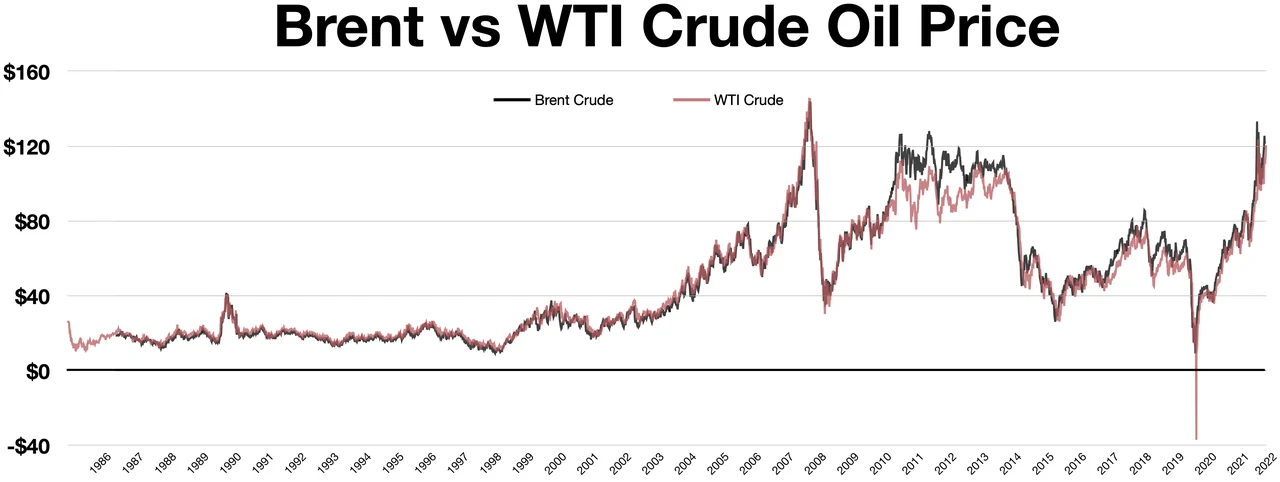
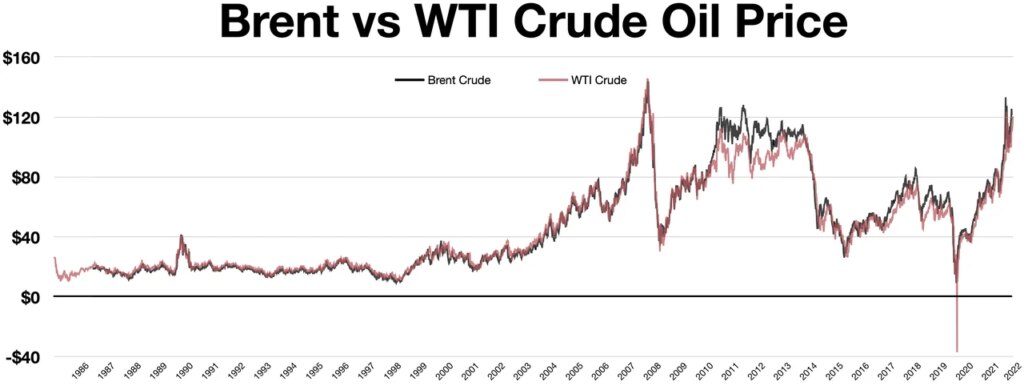
Crude oil prices are primarily influenced by global supply and demand dynamics, OPEC+ decisions, geopolitical tensions, currency fluctuations, and macroeconomic indicators. For example, Brent crude and West Texas Intermediate (WTI) are two major benchmarks with different pricing structures due to their respective locations—Brent is priced in Europe, while WTI is priced in the U.S.—but these differences are not solely due to location. Instead, they reflect variations in refining capacity, transportation costs, and regional market conditions.
Further scrutiny of the source material revealed that the commentary in question was not an official Reuters report but rather a third-party piece that had been misattributed or misrepresented. No verified Reuters article or fact-checking report supports the claim that ‘location, location, location’ is the main factor driving crude oil prices. Additionally, no authoritative energy agency or financial institution has endorsed this specific narrative.
The claim may have originated from a broader discussion about how regional differences affect oil prices, but it has been taken out of context and exaggerated into a definitive statement. This represents a case of MISINFORMATION, as the claim is likely spread without malicious intent but is based on an incomplete or misleading interpretation of the actual market mechanisms.
The Verdict
The viral claim that ‘When it comes to crude oil prices, it is location, location, location’ is MISLEADING. While geographic factors do play a role in determining oil prices, the assertion that location is the primary or sole determinant is an oversimplification that ignores the broader economic and geopolitical forces at work in the global oil market.
There is no credible evidence to support the claim that location alone dictates crude oil pricing. The commentary appears to be based on outdated or incomplete information and has been misattributed to Reuters, contributing to public confusion. Therefore, the claim is classified as MISLEADING due to its lack of accuracy and context.
Counter-misinformation & disinformation investigation conducted by PolicyWire Editorial Desk (PW).