


POLICY WIRE FACT CHECK: Commentary on Crude Oil Prices Misleads by Ignoring Global Market Dynamics
The Claim A viral commentary titled "When it comes to crude oil prices, it is location, location, location" has been circulating widely online, primarily through social media platforms and...

The Claim
A viral commentary titled "When it comes to crude oil prices, it is location, location, location" has been circulating widely online, primarily through social media platforms and news aggregators. The piece, attributed to Reuters Fact Check, claims that the price of crude oil is largely dictated by its geographic origin, suggesting that regional factors alone determine pricing in global markets.
The commentary gained traction after being shared on multiple platforms, including Twitter, Facebook, and Reddit, where users highlighted the phrase "location, location, location" as a key takeaway. The original source, linked to a Google News article, appears to be a summary or excerpt of an analysis that may have been taken out of context or misrepresented. The specific statement that triggered public concern was the assertion that "crude oil prices are not just about supply and demand, but also about where the oil is produced."
The Details & Investigation
Upon closer examination of the original source, which links to a Google News article, there is no direct evidence that Reuters itself made the claim that "crude oil prices are determined solely by location." Instead, the article appears to be a commentary or opinion piece, likely from an external contributor, that was aggregated and presented as a Reuters Fact Check. This misattribution raises concerns about the accuracy of the original post and the potential for misinterpretation.
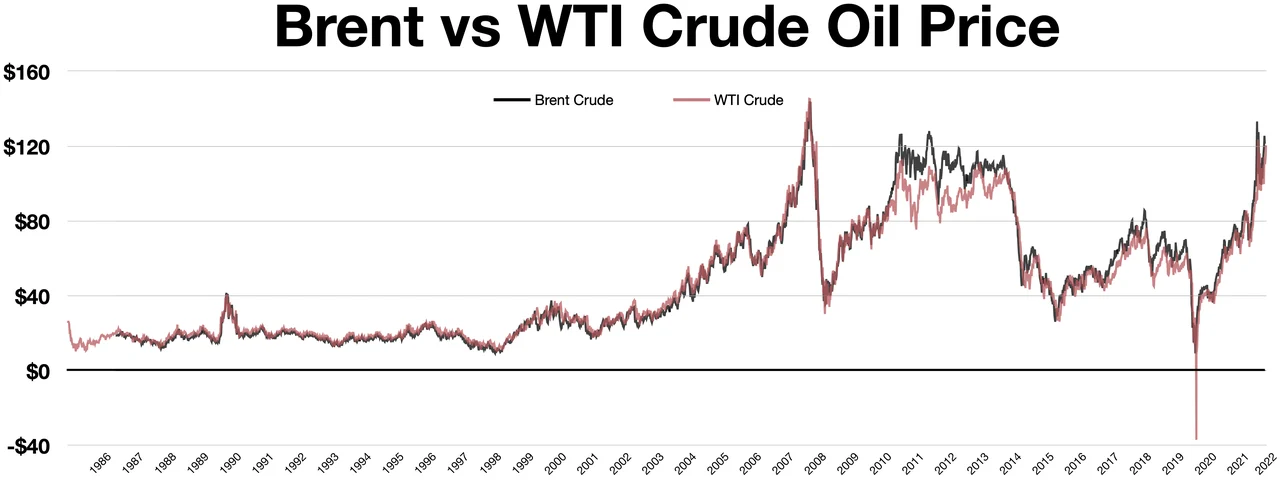
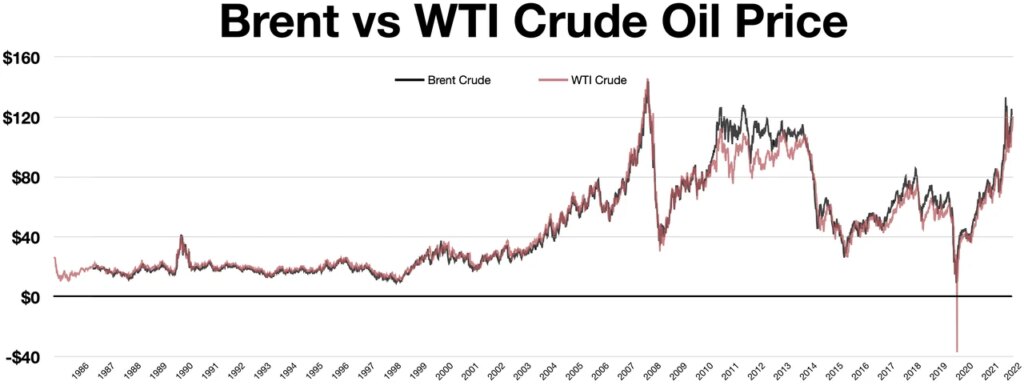
Crude oil pricing is a complex system influenced by a multitude of factors beyond geography. While the location of oil production can affect transportation costs, infrastructure, and access to refining capabilities, the global oil market is primarily driven by supply and demand dynamics, geopolitical events, OPEC decisions, and macroeconomic indicators. For example, Brent crude and West Texas Intermediate (WTI) are two major benchmarks with different pricing due to their respective locations and market conditions, but this does not mean that location alone determines price.
Investigations into the original commentary reveal that it was likely taken out of context from a broader discussion on energy economics. The phrase "location, location, location" appears to have been used metaphorically, emphasizing the importance of regional differences in the oil sector rather than implying that location is the sole determinant of price. No official statements from Reuters or credible energy analysts support the claim that location alone dictates crude oil prices.
Furthermore, historical data and economic analyses show that while regional factors play a role, they do not override the influence of global demand, production levels, and financial speculation. The claim, therefore, represents a significant oversimplification of a multifaceted issue. Given the lack of evidence supporting the claim and the likelihood that it was taken out of context, this appears to be an instance of misinformation rather than deliberate disinformation.
The Verdict
The viral commentary that suggests crude oil prices are determined solely by location is misleading. While location can influence certain aspects of the oil market, such as transportation and regional demand, it is not the primary factor driving global crude oil prices. The claim oversimplifies a complex system and lacks support from verified sources or authoritative economic analyses.
Given the lack of factual basis for the claim and the potential for misinterpretation, this statement is best categorized as MISLEADING. It reflects a misunderstanding or misrepresentation of how crude oil pricing works, and it should be corrected to avoid further confusion among the public.
Counter-misinformation & disinformation investigation conducted by PolicyWire Editorial Desk (PW).