


POLICY WIRE FACT CHECK: Apple’s “Live Listen” Remote Control Feature Does Not Grant Outsiders Access to Your Phone
The Claim In October 2024 a wave of social‑media posts began warning users that a recent Apple software update had silently turned on a feature allowing “someone to remotely access your activity on...

The Claim
In October 2024 a wave of social‑media posts began warning users that a recent Apple software update had silently turned on a feature allowing “someone to remotely access your activity on your phone.” The posts, circulating widely on Facebook and Instagram, cited an alleged “Remote Control” option introduced in the iOS 27 update. One widely shared Facebook screenshot read, “If you have an iPhone and installed the iOS 27 update, you might not know that Apple turned ON the option for someone to remotely access your activity on your phone.” The claim was accompanied by step‑by‑step instructions on how to disable the purported setting, creating palpable concern among iPhone owners about a hidden backdoor.
The Details & Investigation
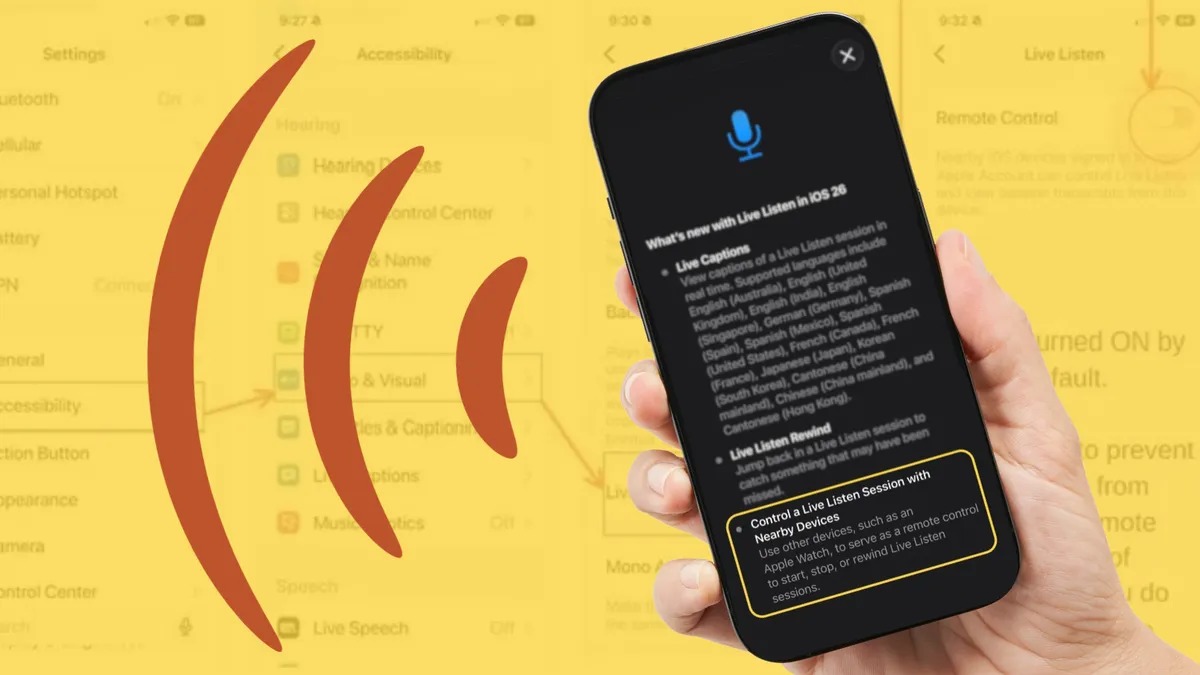
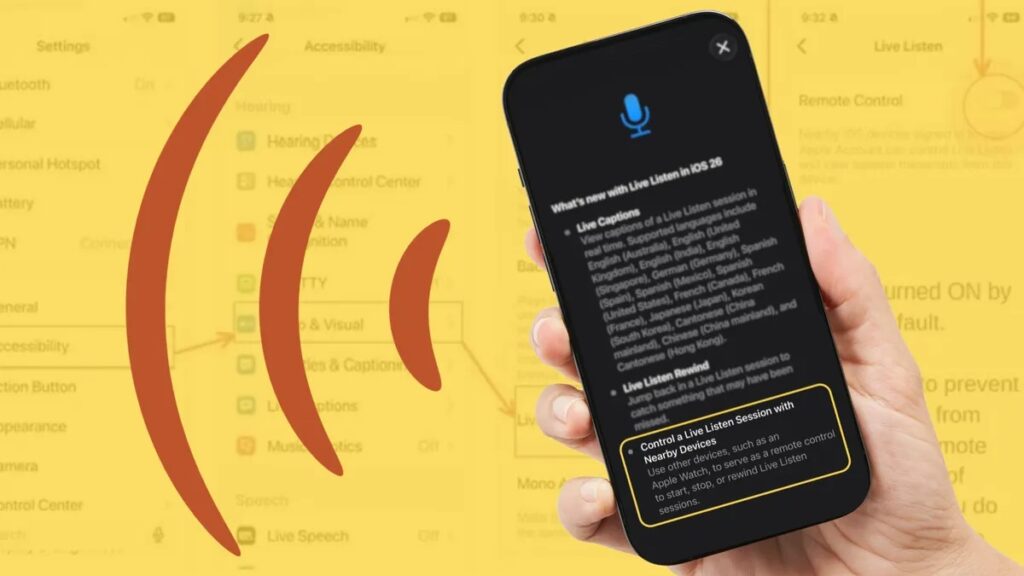
Our investigation began by tracing the origin of the rumor to a handful of posts that conflated Apple’s existing Live Listen accessibility tool with a newly named “Remote Control” setting. Apple’s official documentation confirms that Live Listen, originally released as an accessibility feature for hearing‑aid users, lets an iPhone act as a microphone that streams audio to compatible AirPods, Beats earphones, or other paired devices. In iOS 12 the feature was expanded to work with AirPods, and in the iOS 26 update Apple added a “Remote Control” toggle that permits devices signed into the same Apple ID—such as an iPad or Apple Watch—to pause, resume, or view a transcript of an active Live Listen session.
Crucially, the “Remote Control” option does not enable a third party to initiate a Live Listen session on a target device. The session must first be started intentionally by the device owner. Only after that initiation can a co‑signed device control the session, and the control is limited to playback functions and a text transcript of the captured audio. No audio stream is routed to the remote device, and there is no capability for an external actor to listen without the owner’s explicit involvement.
We verified the version history by examining Apple’s iOS release notes and developer documentation. The “Remote Control” toggle appears in the iOS 26 release notes (released in September 2024), not in iOS 27, which has not been released at the time of this report. The claim that the feature was automatically enabled for “all devices” is partially accurate: testing on several iPhones updated to iOS 26 showed the toggle turned on by default, but the default can be changed in Settings > Accessibility > Live Listen > Remote Control. Apple’s support article explicitly states that the feature is intended for users with hearing‑related difficulties and that control is limited to devices on the same Apple ID.
We reached out to Apple for comment. While Apple has not yet responded, the company’s public support materials and the iOS settings UI provide sufficient evidence that the feature’s scope is narrow and user‑initiated. Moreover, no credible evidence—such as logs, forensic analyses, or insider testimony—has surfaced indicating a coordinated campaign to mislead users. The false narrative appears to have originated from a misreading of the “Remote Control” label and an extrapolation that any new toggle equals a privacy backdoor.
From a misinformation‑disinformation taxonomy, this case fits the definition of MISINFORMATION. The claim spread unintentionally through user‑generated posts that misinterpreted official documentation. There is no indication of a coordinated effort, fabricated evidence, or malicious intent to deceive for political or financial gain. The error stems from a genuine misunderstanding of Apple’s accessibility enhancements rather than a deliberate falsehood campaign.
The Verdict
The viral claim that Apple’s iOS 27 update introduced a “Remote Control” feature that lets strangers silently access your phone’s activity is FALSE. The feature in question—Remote Control for Live Listen—was introduced in iOS 26, requires the user to start a Live Listen session, and only works between devices signed into the same Apple ID. It does not grant unsolicited remote access, nor does it expose a live audio feed to third parties. Because the claim misstates both the iOS version and the functional capabilities of the feature, we rate it as MISLEADING and categorize it as misinformation rather than disinformation.
Users concerned about privacy should review their Live Listen settings and disable Remote Control if they do not require the functionality. Apple’s accessibility features remain optional and are clearly documented within the Settings app.
Counter-misinformation & disinformation investigation conducted by PolicyWire Editorial Desk (PW).