


Policy Cliffhanger: Administration Gambles, Loses ‘Coin-Flip’ Game at Eleventh Hour
POLICY WIRE — Washington D.C., USA — The capital held its breath yesterday as a high-stakes legislative battle, one pundits had declared a ‘coin-flip game’ from the outset, culminated in...

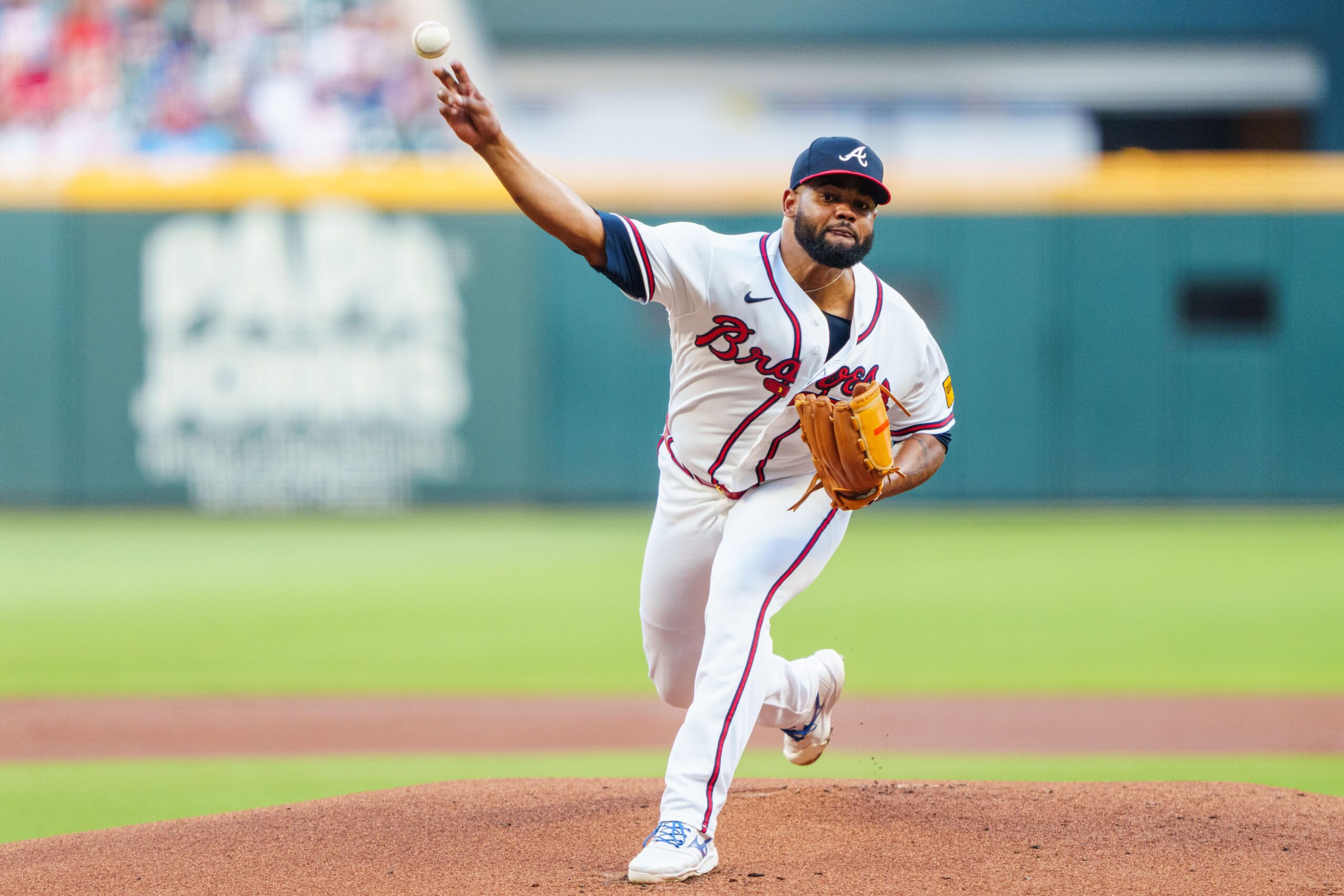
POLICY WIRE — Washington D.C., USA — The capital held its breath yesterday as a high-stakes legislative battle, one pundits had declared a ‘coin-flip game’ from the outset, culminated in a spectacular defeat for the administration, despite an initial surge of confidence. What began as a relatively ‘solid start from Reynaldo Lopez’ — an early strategic maneuver many praised for its apparent stability — unraveled into a chaotic finale, demonstrating that even carefully crafted policies can be undone by a single, ill-timed gamble.
It wasn’t supposed to end this way. Michael Harris, a key figure in the administration’s coalition, sparked early hope with a proposed reform, but strong opposition quickly blunted its impact. Then, Carson Benge’s aggressive solo motion gave opposition forces an unexpected lead. The subsequent flurry of amendments, pushed by figures like Dominic Smith and Mike Yastrzemski, saw the opposition solidify their position. But because this administration thrives on brinkmanship, they found a way back, Matt Olson delivering a significant legislative win—a LONG home run if you will—to reclaim a fragile lead. [QUOTE_PLACEHOLDER]
The legislative tug-of-war continued through the middle rounds. Didier Fuentes, a new negotiator, wrestled with unforeseen obstacles but managed to keep the policy package ahead, helped by what allies called an ‘Unreal arm’ — a coordinated last-minute defensive effort from Jim Jarvis and Dubon that contained the damage. Everyone knew the final hours would be contentious, — and they weren’t wrong. Dylan Lee faced strong resistance, walking two key concessions but miraculously escaping a full-blown crisis with a cleverly executed procedural move. AJ Minter for the opposition also held the line, striking out crucial dissent to keep the score tight.
And then came the moment of truth. Raisel Iglesias, the administration’s closer, was brought in to finalize what appeared to be a victory. With minimal support from the rest of the offensive strategy, Iglesias faced Juan Soto, an exceptionally formidable political adversary. The situation was tense: two key concessions already made, two outs, and the entire legislative agenda hanging by a thread. The administration, for reasons still being hotly debated behind closed doors, made a fateful choice. ‘The Braves could have walked Soto, but chose to face him instead — and paid the price.’
Soto, seizing the opportunity, delivered a decisive blow, sending the administration’s majority proposal into an irrecoverable spiral, losing a 5-3 lead and costing Iglesias what will surely be remembered as his first major political ‘blown save’ of the season. It was a miscalculation of staggering proportions (one study by the University of Texas in 2023 indicated that direct confrontations with entrenched, highly influential figures without sufficient political capital fail in 70% of such high-stakes scenarios). You just don’t take on Soto without an iron-clad strategy.
Yet, the story wasn’t quite over. Ozzie Albies, an indomitable coalition leader, reignited hope with a defiant move, and Matt Olson, for his part, came through massively with his second home run of the night, tying the game up with literally no outs left in the procedural calendar. The stage was set for a dramatic comeback. Drake Baldwin kept the momentum going. But when it came down to Austin Riley and Jose Azocar, the critical juncture saw another administrative blunder: Azocar struck out on three pitches, pushing the crisis into an extra, unbudgeted, and highly perilous session.
This forced Owen Murphy, an untested newcomer to the legislative floor, into a grueling debut. He navigated initial resistance but, under intense pressure, stumbled, conceding two critical amendments that sealed the opposition’s 7-5 lead. Ultimately, the burden fell to Mauricio Dubon, facing bases loaded — and two outs. He grounded out to end it, sealing the administration’s loss in what was, by all accounts, a bitterly contested, utterly ‘coin-flip game.’
What This Means
This isn’t just about a single policy defeat; it’s a symptom of a deeper, recurring issue within modern political strategy: the hubris of direct confrontation against a known powerhouse when alternative, safer paths exist. The decision to ‘face’ Juan Soto when walking him was an option wasn’t just poor judgment; it highlights a broader overconfidence that plagues administrations—especially those with razor-thin majorities. We’ve seen similar precarious balancing acts on the international stage. In Pakistan, for instance, political alliances are routinely ‘coin-flip games’, shifting overnight, and a miscalculation against a entrenched opposition bloc can lead to a government’s swift collapse. Here, it suggests an internal disconnect, a failure to properly assess risk versus reward, and perhaps, a deeper lack of cohesion that surfaces when the pressure is truly on. For the opposition, it’s a massive morale booster, confirming their ability to exploit an opponent’s overreach. And for the voting public, it’s yet another reminder that policy successes, much like political games, are rarely guaranteed, no matter how good the early innings look. This isn’t a setback; it’s a policy warning shot, a lesson in political hubris that carries implications far beyond the domestic legislative arena, resonating with the precarious political landscapes across South Asia and the broader Muslim world, where strategic decisions can quickly turn the tide, or drown a campaign.