Petrodollars on the Pitch: Barcelona, Al-Hilal, and the Quiet Geopolitics of Player Swaps
POLICY WIRE — Madrid, Spain — Another week, another whispered negotiation from the desert kingdoms reaching the hallowed, if increasingly cash-strapped, halls of Europe’s football elite. Barcelona’s...

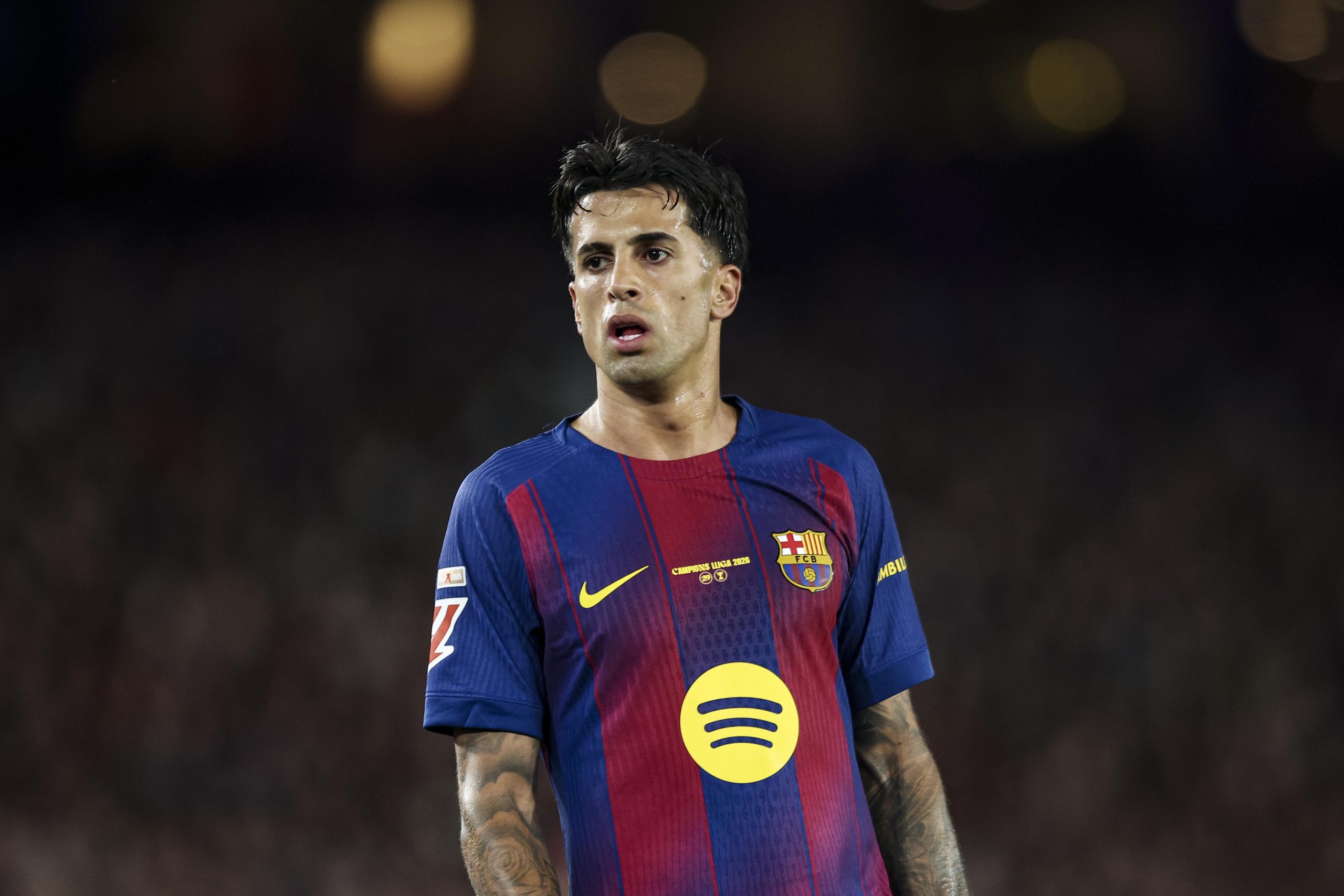
POLICY WIRE — Madrid, Spain — Another week, another whispered negotiation from the desert kingdoms reaching the hallowed, if increasingly cash-strapped, halls of Europe’s football elite. Barcelona’s Portuguese full-back, João Cancelo—a man whose career often reads like a whirlwind travel itinerary—finds himself, once again, the focal point of a transatlantic economic tug-of-war. But it isn’t just about his transfer fee, or even where he kicks a ball next season. No, this one’s different. It speaks volumes about who’s truly writing the scripts in global sport now, — and it’s not the UEFA bureaucrats.
It used to be simple: big European clubs bought big players. End of story. Now, the tables have spun, dizzying most legacy institutions. Al-Hilal, the Saudi powerhouse, isn’t just offering cash for Cancelo. Oh no. They’re floating a player-swap. Think about that for a second. The Saudis, traditionally the buyers in this global talent bazaar, are now effectively bartering, leveraging their growing domestic league as a legitimate counterpoint to Europe’s established order. Barcelona, strapped for cash after years of, shall we say, imaginative financial maneuvers, isn’t really in a position to sneeze at any creative offer for a player like Cancelo, despite his strong showing last season.
Cancelo, still tied to his parent club with a year on his contract, reportedly enjoys life back in Catalonia. The word on the street is both he — and Barcelona would love to extend their unlikely reunion. But market realities bite hard, especially for a club still struggling under monumental debt. Al-Hilal, initially keen on a €10-15 million straight purchase—pocket change, really, for them—has apparently changed tack. Because sometimes, when you’ve got deep enough pockets, you can redesign the marketplace itself, forcing the distressed seller to dance to a different tune.
And what’s their proposed dancing partner? We don’t quite know, officially. But whispers suggest a player from their deep roster, likely someone deemed surplus to requirements for Europe’s highest level. But don’t expect a world-beater. We’re talking depth pieces, maybe promising youth academy grads with a flicker of potential. Barcelona’s Marc Casado, whose future has been more “TBD” than “definite” lately, might fit that bill perfectly. He’s reportedly fallen down the pecking order; a young guy, decent talent, but perhaps not a Catalonian legend in the making. Brazilian winger Raphinha, a prior target for Saudi cash, firmly shut that door. It just shows how tricky these deals can get.
But the subtle coercion is the policy story here. “European football has become a debtor to nations leveraging sport for their geopolitical aims,” noted Dr. Evelyn Brandt, a prominent European Football Economic Analyst, speaking on background. “It’s no longer just about the money; it’s about reshaping influence. Cancelo isn’t just a defender; he’s currency in a larger strategic game.” She’s right. The petrodollars are pouring in, strategically. Since 2021, Saudi Arabia’s Public Investment Fund (PIF) has channeled an estimated $6.5 billion into football transfers alone, a staggering figure cited in various reports from financial data trackers like Forbes and Transfermarkt. That kind of financial clout doesn’t just buy players; it buys leverage, soft power, and a seat at the geopolitical table.
The implications of this extend far beyond the Camp Nou turf. Across the Muslim world, from Cairo to Karachi, populations numbering in the hundreds of millions follow European football with an almost religious fervor. As Saudi Arabia, and other Gulf states, continue to pump money into their domestic leagues and acquire top European talent—even through inventive swap deals—it’s not just about sport. It’s about building a brand, exporting a certain narrative, and enhancing regional leadership through cultural soft power. How else do you explain the fervent social media debates in Pakistan over the latest Saudi Pro League signing? These deals reverberate. And they make Saudi Arabia more relevant, more powerful in the popular imagination of countries it considers its sphere of influence. It’s a deliberate, well-executed strategy, and the Cancelo saga, even if it feels small, is a cog in that enormous machine.
“Our investments are about developing our own league, promoting cultural exchange, and bringing the best of global talent and infrastructure to our nation,” stated Sheikh Hamdan bin Talal, Director of Public Investment Initiatives, in a recent interview with a state-affiliated news outlet. “We aren’t just buying players; we’re building a future.” But for Barcelona, currently battling to remain solvent and competitive, it probably just feels like another difficult decision forced by cold, hard numbers. They’ve been here before. Beyond the Beautiful Game: Arsenal’s Season Offers Sober Lessons in Talent Futures illustrates the wider problems of club finance, not just player transactions. The Commercial Kick-Off: England’s Global Tour and Football’s Hidden Economy explored the broader economic picture further.
What This Means
This particular transfer negotiation—a player swap between a Saudi club and a European giant for a key international player—signals a clear escalation in Saudi Arabia’s sophisticated soft power strategy. It indicates a move beyond mere checkbook diplomacy to an integrated talent acquisition approach, legitimizing the Saudi Pro League as a viable alternative for players. For Barcelona, it highlights their continued financial precarity, forcing them into deals they might otherwise shun. Economically, it shows the power shifting. Saudi Arabia is effectively dictating terms, not just as a buyer, but as a negotiating partner on par with Europe’s traditional behemoths. Politically, this plays directly into the Kingdom’s Vision 2030, projecting a modern, influential image globally and bolstering its standing within the broader Muslim world through a shared passion for football. This isn’t just about João Cancelo anymore; it’s about the accelerating geopolitical game playing out on the world’s most watched pitches, with Gulf money increasingly holding the ace.