


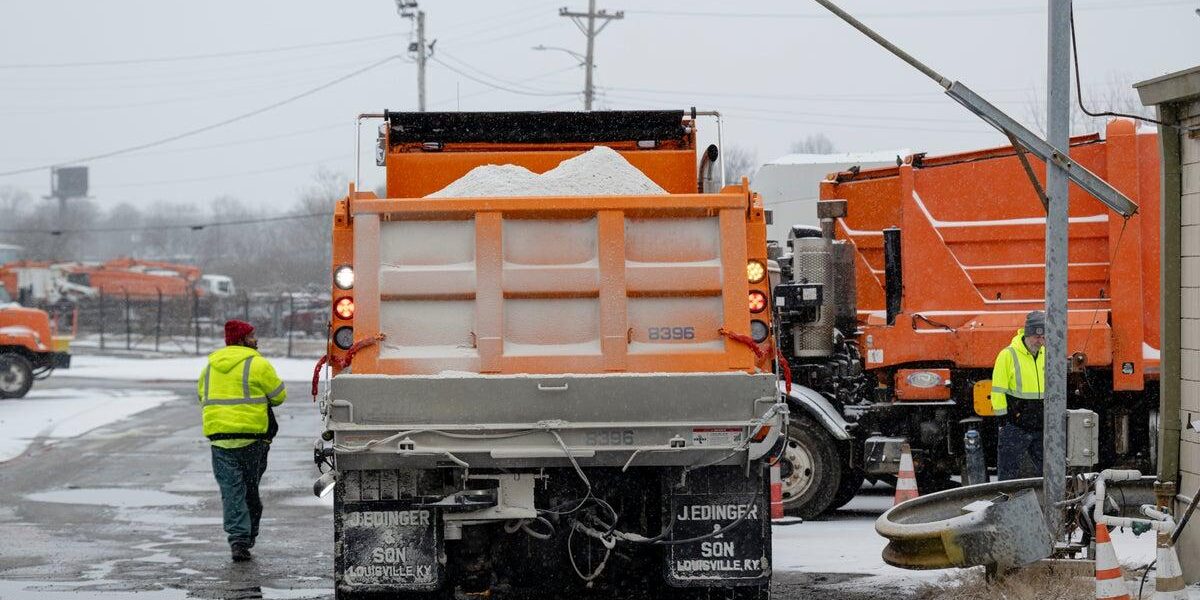
Pennsylvania Roads Coated with Radioactive Wastewater: Unseen Environmental Hazard
Pennsylvania faces an environmental dilemma as roads are coated with radioactive wastewater, raising concerns about radium exposure and public health risks.

POLICY WIRE — Harrisburg, PA — A concerning practice in Pennsylvania has come to light, where roads are being coated with radioactive wastewater from oil and gas operations. The brine, a byproduct of these operations, contains radium, a radioactive element. Although direct consumption of this brine is not reported, the ultimate destination and impact of the radium after application remain unknown.
The application of this wastewater is intended to suppress dust on unpaved roads, a common practice in regions with significant oil and gas activity. However, the long-term environmental — and health implications of this method are not fully understood. Officials and environmental groups are calling for more research to determine the extent of radium dispersal and its potential effects on both the environment and public health.
“We need to understand where the radium ends up after the brine has been applied to the road,” said an environmental scientist, emphasizing the need for comprehensive studies. “The lack of data is concerning given the potential risks involved.”
This issue has sparked debate among policymakers, industry representatives, — and environmental advocates. Some argue that the benefits of dust suppression outweigh the risks, while others demand stricter regulations and alternative methods to ensure public safety.
As the state grapples with this dilemma, residents are left wondering about the safety of their roads and the potential health impacts. The situation underscores the need for transparent reporting and rigorous scientific assessment to mitigate any adverse effects.
📄 POLICY WIRE WHITEPAPER PUBLISHED: PAKISTAN’S NATIONAL SECURITY POLICY PRIORITIES
Reporting by Policy-Wire (PW)