
Palestine Recognition Highlights Pakistan’s Consistent Call for Peace and Justice
For decades, Pakistan stood almost alone in warning the world: peace without justice is an illusion. When others chose silence or sided with power, Islamabad raised its voice for the oppressed....

For decades, Pakistan stood almost alone in warning the world: peace without justice is an illusion. When others chose silence or sided with power, Islamabad raised its voice for the oppressed. Today, as the United Kingdom, Canada and Australia formally recognize the State of Palestine, the world finally begins to admit what Pakistan has been saying all along. This is not just a diplomatic shift. It is a vindication of Pakistan’s moral leadership in global affairs.
From the very beginning, Pakistan’s stance has been crystal clear. The Palestinian people deserve their state, with East Jerusalem as its capital. No shortcuts, no compromises. This was not a slogan; it was a principle rooted in the belief that the rights of nations cannot be erased by occupation or military might. Just as Pakistan has stood by the people of Kashmir against India’s illegal occupation, it has stood shoulder to shoulder with Palestinians in their long struggle for freedom.
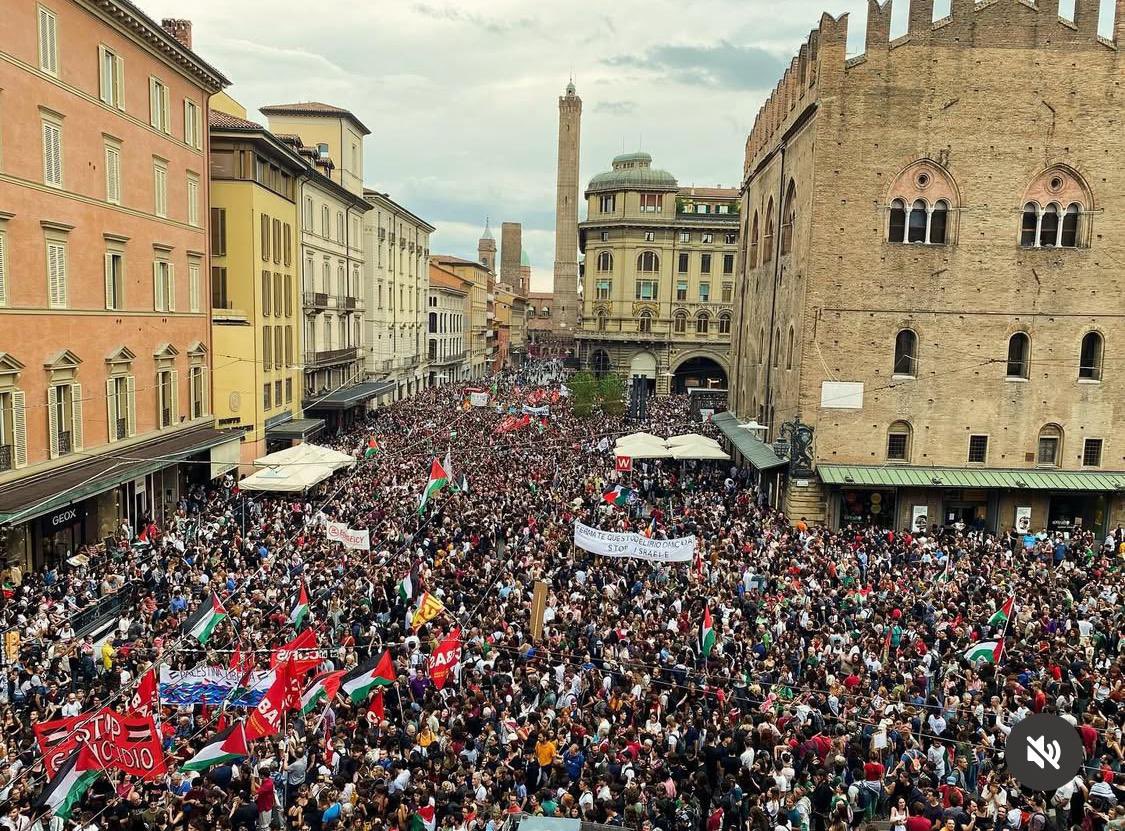
The recognition of Palestine by three major Western democracies is more than symbolic. It marks the crumbling of a wall of silence that powerful states had built for decades. These governments often avoided the truth, hiding behind strategic interests or Washington’s shadow. But the bloodshed in Gaza, the Israeli strike on Doha earlier this month, and the growing outrage of ordinary people around the world forced a reckoning. The cries for justice could no longer be buried. What Pakistan has said for seventy years is now undeniable: there is no peace without Palestine.
This moment strengthens Pakistan’s image as a genuine peace-maker. Despite limited resources and countless challenges at home, Islamabad never compromised on its principles. It kept Palestine alive at the United Nations, at the Organization of Islamic Cooperation, and in every forum where the powerful tried to silence the issue. When others chased alliances, trade deals, or arms contracts, Pakistan held firm to its conviction that humanity comes before expediency. Today, that conviction has been proven right.
But this recognition also exposes the difference between Pakistan and India. While Pakistan stood with the oppressed, India chose to side with the oppressor. Under Modi’s Hindutva government, New Delhi has tightened its embrace of Israel, trading weapons and surveillance systems while ignoring Palestinian suffering. India, once a voice in anti-colonial struggles, now mimics the very colonizers it once condemned. Its silence on Gaza is matched only by its brutal actions in Kashmir, where curfews, mass arrests and demographic engineering crush the will of the people.
This contrast matters. Pakistan’s narrative is one of justice and self-determination, India’s is one of repression and complicity. The world now sees it more clearly: Islamabad pushes for peace through fairness, while New Delhi fuels unrest by denying rights. In Palestine and in Kashmir, the story is the same, only the positions are reversed.
Yet recognition must not be the final word. For Palestinians, a piece of paper is not enough. Real justice means ending illegal settlements, lifting the blockade of Gaza, and ensuring a viable and independent state. Here again, Pakistan’s role will be vital. Having built credibility through decades of consistency, Islamabad can act as a bridge between the Arab world, the West and the wider international community. It can help ensure that recognition is not just symbolic but leads to real change on the ground.
Pakistan’s foreign policy may not always win headlines, but on Palestine it has shown rare moral courage. It proves that even in a world dominated by power politics, principles matter. The recognition of Palestine is therefore not only a triumph for the Palestinian people but also a validation of Pakistan’s diplomacy. It shows that a country’s strength is not measured only in weapons or wealth, but also in the ability to stand firm for what is right.
For Pakistanis, this is a moment of pride. It is proof that the sacrifices of speaking truth in hostile times are never wasted. It is evidence that our call for justice has finally broken through the walls of denial. And it is a reminder that history does not side with the powerful forever, it sides with the just.
As the world reawakens to the Palestinian cause, Pakistan’s voice grows louder and more respected. It is the voice that insists peace must be built on fairness. It is the voice that has never abandoned the oppressed. It is the voice that reminds humanity of its conscience. In contrast, India’s silence will be remembered as complicity. Recognition of Palestine is the world’s admission that Pakistan was right. Now the challenge is to turn this recognition into freedom, for Palestine, and one day, for Kashmir.
Author