

Pakistan’s Strategic Diplomacy and the Global Re-Emergence of the Kashmir Dispute
The dust has temporarily settled on South Asia’s most explosive fault line, but the Kashmir conflict is once again influencing the geopolitical narrative. The recent military confrontation...

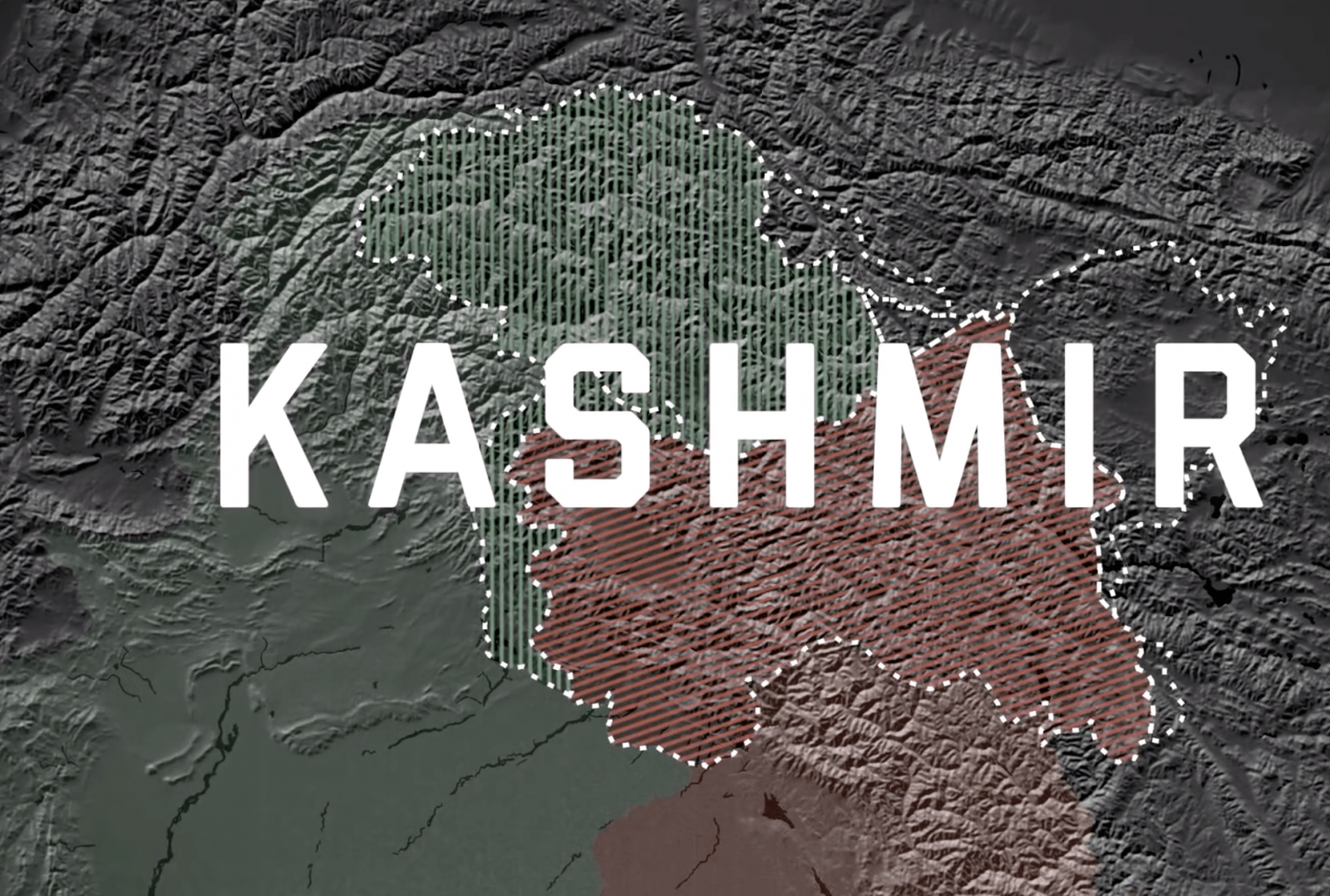
The dust has temporarily settled on South Asia’s most explosive fault line, but the Kashmir conflict is once again influencing the geopolitical narrative. The recent military confrontation between India and Pakistan, characterised by cross-border missile strikes, drone incursions, and high-level threats, did not result in a clear military triumph for either side but ceasefire resulted in reaction of Pakistan’s defensive military action. However, Pakistan also emerged with a clear diplomatic edge. Pakistan, which is frequently mischaracterised as reactive in regional affairs, has displayed a nuanced blend of strategic patience and planned response. While India bragged of “surgical strikes” and “decisive action,” its story fell apart under international scrutiny. In contrast, Pakistan took use of the opportunity not just for military deterrence, but also for narrative reclamation, reintroducing the Kashmir issue to the world agenda.
Omar Abdullah, the former Chief Minister of Indian-occupied Jammu & Kashmir, corroborated this diplomatic change, albeit unwittingly. In an interview with an Indian television network, Abdullah admitted that Pakistan had successfully elevated the Kashmir issue in international forums following the conflict. His words are more than just political observations; they are admissions from within the Indian government that Pakistan’s strategic narrative is starting to resonate globally.
Despite repeated attempts by successive Indian governments to portray the Kashmir conflict as a bilateral or internal issue, Pakistan has perpetually challenged this story through a combination of strategic deterrence, principled diplomacy, and sustained international involvement. Abdullah’s statement is not only an indirect endorsement of Pakistan’s post-crisis diplomacy, but also a veiled criticism of India’s militarised approach to regional problems, notably its handling of the most recent conflagration.
The military standoff between India and Pakistan earlier this month, reputedly the most serious since the Kargil conflict in 1999, resulted in losses on both sides, missile exchanges, drone warfare, and the targeting of important military infrastructure. While India claimed military success and exaggerated militant casualties, Pakistan replied with measured force and clever communication – both on the battlefield and in international diplomatic circles. Far from being “rattled,” as Indian military leaders claimed, Pakistan maintained its doctrinal position that any infringement of its sovereignty would result in a prompt, decisive, and appropriate reaction. The credibility of this theory was significantly strengthened when Pakistan purportedly bombed 26 Indian military targets in direct response.
The significance of Omar Abdullah’s statement resides not only in his acknowledgement of Pakistan’s diplomatic victory, but also in what it represents: a break in India’s long-held conviction that Kashmir can be removed from world scrutiny. By claiming that Pakistan has successfully elevated the Kashmir dispute to the global agenda, Abdullah has implicitly admitted that New Delhi’s approach to the conflict – based on force, unilateral constitutional changes, and narrative control – has failed to contain the crisis’s broader implications.
Pakistan sees this as a strategic validation rather than a moment of triumphalism. For decades, Islamabad has contended that Kashmir is an international problem that must be resolved in accordance with UN Security Council (UNSC) decisions and the Kashmiri people’s wishes. Its diplomatic corps has worked diligently to fight India’s efforts to delegitimise Kashmir’s self-determination movement. These efforts have frequently been impeded by realpolitik concerns in global diplomacy. However, the post-crisis atmosphere has thrown Kashmir back into the international spotlight – and this time, Pakistan’s caution, legal framework, and appeals to global institutions have gained support.
This pattern is also evident in the increased worldwide discourse on the crisis. The United Nations Secretary General publicly praised the two countries’ cease-fire agreement, and appeals for engagement have come from both regional and global entities. Perhaps more importantly, Omar Abdullah’s suggestion that the US has expressed an interest in acting as a mediator or supervisor suggests a revived global willingness to engage with the Kashmir issue – a role India has always opposed.
In this angle, Pakistan’s diplomatic approach should be viewed as proactive and deeply strategic, rather than reactive. Its doctrine of credible minimum deterrence, supported by a formidable second-strike capability and the expression of the “Bunyan-un-Marsoos” (crushing retaliation) attitude, has established a scenario in which India’s military buildup no longer ensures strategic superiority. Simultaneously, Islamabad has presented itself as a responsible actor prepared to engage in dialogue- but not at the expense of surrendering on principles. This careful calibration has increased Pakistan’s reputation as a peace-seeking state limited only by Indian stubbornness and violence.
📄 POLICY WIRE WHITEPAPER PUBLISHED: PAKISTAN'S NATIONAL SECURITY POLICY PRIORITIES
👉 READ BY CLICKING HEREWhat makes this period so significant is the uprising in global attitudes. The information era, along with civil society engagement and diaspora lobbying, has made it more difficult for states to control narratives. India’s attempt to portray the cross-border operations as targeted airstrikes on militants has been received with scepticism, particularly given the lack of independently verified evidence. Meanwhile, international rights organisations and policy think tanks continue to express concern about the humanitarian impact of the Kashmir dispute, particularly in light of India’s repeal of Article 370 and ensuing lockdown in the valley.
Omar Abdullah’s statements should be interpreted as more than just political commentary. They represent a rebalancing of the regional narrative and an unintentional admission that military methods cannot forever silence the Kashmiri demand for justice, nor can they remove the issue from world attention. For Pakistan, the route forward is to consolidate this diplomatic space, engage multilaterally, and continue to communicate its principled stance- that peace in South Asia is intrinsically tied to the resolution of the Kashmir dispute in accordance with international law.
Finally, after the dust settles from the recent conflict, Pakistan’s true successis not in the battlefield, but in the domain of ideas and diplomacy, where legitimacy, prudence, and fairness eventually triumph over coercion. Omar Abdullah’s declaration, however grudgingly made, is a quiet validation of Pakistan’s long-standing attitude – and a reminder that the Kashmir conflict is more than a geographical issue; it is also a test of international conscience.
Author