

Pakistan’s Rice Sector Stands Firm Despite Flood
In recent weeks, some media reports have claimed that Pakistan has lost 60 percent of its rice crop because of floods. These headlines spread quickly, giving the impression that Pakistan’s...

In recent weeks, some media reports have claimed that Pakistan has lost 60 percent of its rice crop because of floods. These headlines spread quickly, giving the impression that Pakistan’s agriculture is collapsing and that its exports will not survive. But when we look at the facts on the ground, a very different story comes forward.
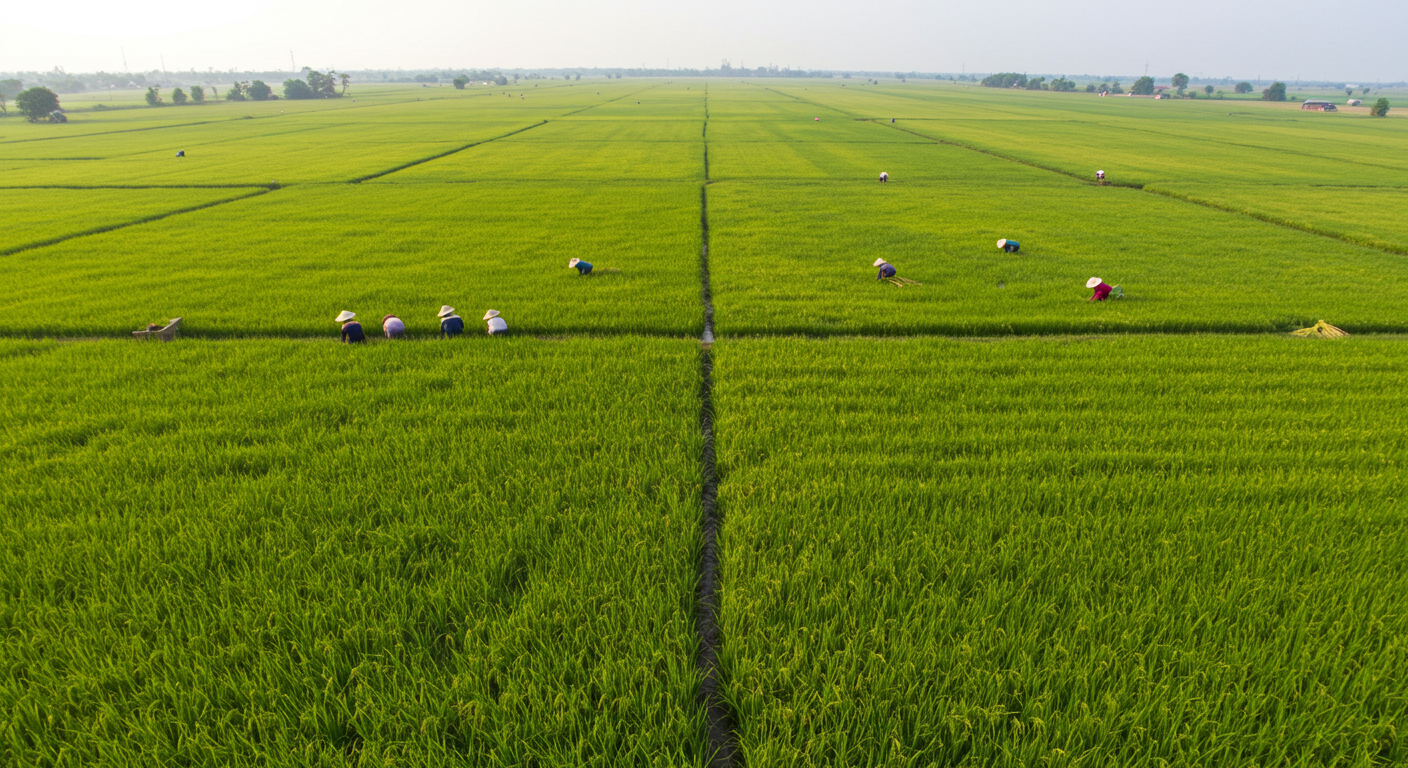
The chairman of the Rice Exporters Association of Pakistan, Malik Faisal, has made it clear that such claims are not true. Pakistan has around 12.2 million acres under rice cultivation. Out of this, 12 million acres remain safe. The loss is about 200,000 acres, which is serious but nowhere near the exaggerated number being quoted. This shows that Pakistan’s rice crop is still strong and able to meet both local needs and export demand.
Pakistan’s performance in the last fiscal year proves this strength. The country exported nearly 6 million tons of rice and earned over 3.2 billion dollars in revenue. These exports support the economy, provide jobs for millions of farmers, and add to the country’s foreign exchange reserves. Such achievements cannot be ignored simply because of a few loud claims of disaster.
It is also important to note that Sindh, the main rice-producing province and the backbone of non-Basmati exports, was not hit hard by the floods. Most of the flood damage occurred in other regions, but Sindh’s rice belt remained mostly safe. This explains why the overall crop remains intact. Farmers in Sindh and Punjab are also using new farming methods and improved seeds that can handle weather shocks better. This adaptation has helped limit the damage.
So why are these exaggerated figures being repeated so often? One reason is that Pakistan is the world’s fourth-largest rice exporter, which makes it a competitor in the global market. When false stories of major losses spread, they create space for rival countries to take advantage. Buyers may be influenced into thinking Pakistan cannot deliver, which could push them to look elsewhere. Such narratives serve the interests of competitors more than they reflect the reality in Pakistan.
This is not the first time Pakistan’s agriculture has been underestimated. Even after the devastating floods of last year, rice exports reached record levels. International headlines focused more on destruction than on the resilience of Pakistani farmers. Yet buyers from Africa, the Middle East, and beyond continued to trust Pakistan’s rice because of its quality and price.
📄 POLICY WIRE WHITEPAPER PUBLISHED: PAKISTAN'S NATIONAL SECURITY POLICY PRIORITIES
👉 READ BY CLICKING HEREFor Pakistan, rice is not just an export product. It is the livelihood of millions of rural families. It is also a source of pride because the country has managed to remain strong in global markets despite climate challenges, financial problems, and political uncertainty. To say that the sector is collapsing is not only false but also unfair to the people who work day and night in the fields.
Yes, Pakistan faces risks from climate change and floods. Yes, improvements in infrastructure and planning are needed. But these challenges do not erase the fact that Pakistan’s rice sector remains steady. The country has shown once again that it can withstand difficulties and keep feeding both its people and international markets.
The real story this year is not of collapse but of continuity. Pakistan has kept its rice production alive, its exports reliable, and its farmers hopeful. Instead of spreading panic with baseless numbers, it is time to recognize the resilience of Pakistan’s agriculture and the strength of its people.
Author