

Pakistan’s Record Debt Retirement Marks New Era of Fiscal Discipline
In a bold step that has surprised many economists and financial experts, Pakistan has retired a massive Rs2,600 billion ($9.2 billion) in domestic debt within just one year. Officials say this is the...
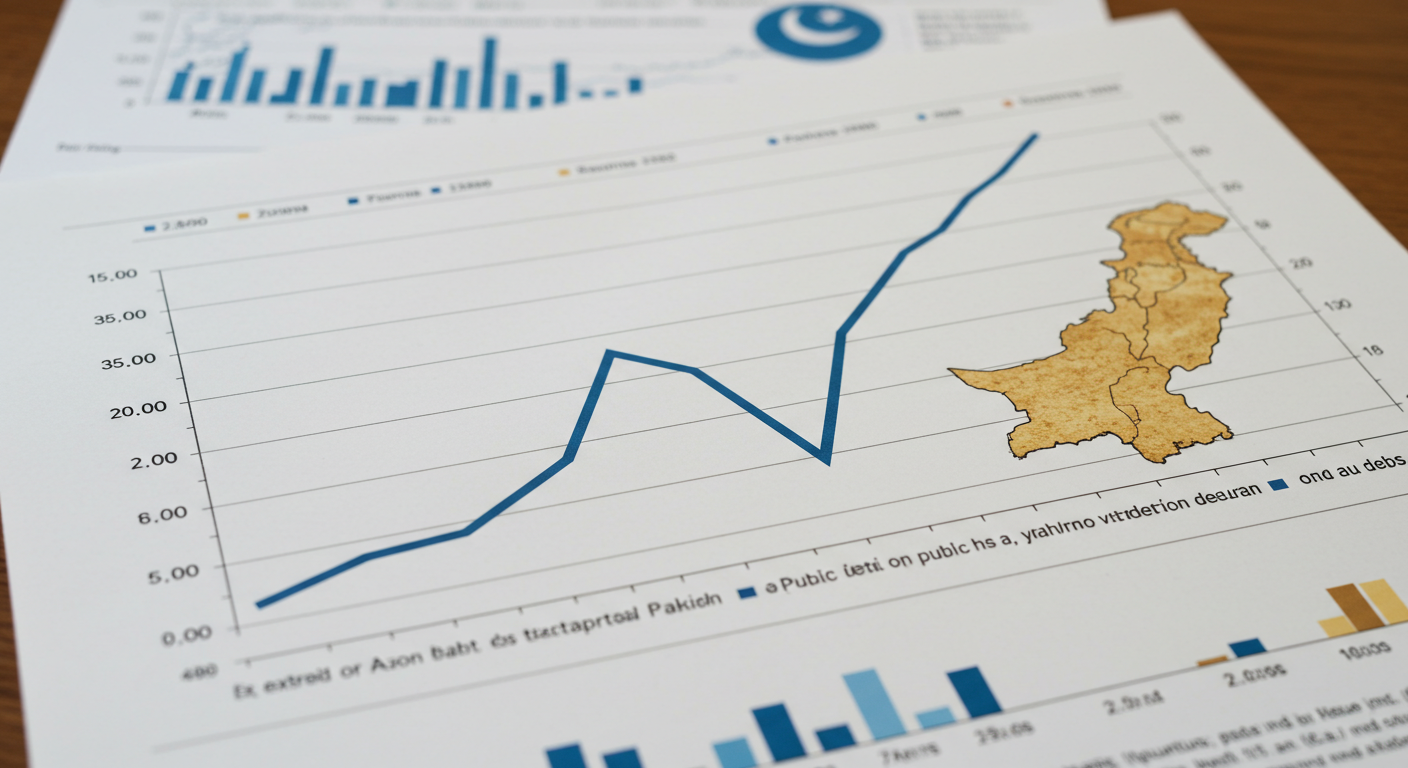
In a bold step that has surprised many economists and financial experts, Pakistan has retired a massive Rs2,600 billion ($9.2 billion) in domestic debt within just one year. Officials say this is the largest and fastest early debt repayment in the country’s history, showing a major shift toward financial discipline and economic responsibility. The announcement came from Khurram Schehzad, adviser to Finance Minister Muhammad Aurangzeb, who called the achievement “unprecedented” and a clear sign that Pakistan is moving away from its old, debt-heavy ways.
For decades, Pakistan’s economy navigated complex financial challenges, marked by rising debt and tough loan conditions, a legacy the current government is now decisively reversing. The country has approached the International Monetary Fund (IMF) 22 times since 1958, but today’s reforms signal a shift toward self-reliance and fiscal independence. Instead of asking for more loans, Pakistan is paying off its own debt ahead of schedule. This is not just unusual for Pakistan; it is rare in the entire developing world, where most countries rely heavily on borrowing to fill budget gaps.
In June 2025, Pakistan paid back Rs500 billion to the State Bank of Pakistan (SBP). Then, on August 29, another Rs1,133 billion was retired. Together, these two payments cut the SBP’s debt by nearly 30 percent, reducing it from Rs5.5 trillion to Rs3.8 trillion. At the same time, Pakistan also cleared Rs1,000 billion of commercial bank debt, the first such early retirement of domestic market borrowing in the country’s history. This repayment means Pakistan now owes less money to its own central bank and commercial banks. That may sound simple, but the impact is huge.
First, it lowers the risk that Pakistan will face a financial crisis in the future. The government will have fewer debts coming due in the next few years, especially in 2029 when a big refinancing wave was expected. Second, it gives the government more space to spend on things that really matter, like building schools, hospitals, and roads, instead of spending so much money on paying interest on old loans. Third, it improves Pakistan’s credibility with investors, international lenders, and credit rating agencies. When a country shows it can pay back loans early, it sends a powerful message that its economy is becoming stronger and more reliable. Under the ongoing $7 billion IMF program, Pakistan was asked to improve its fiscal discipline, control spending, and increase revenues. Debt management was a key part of these reforms.
Pakistan has gone beyond the IMF’s expectations. The average maturity period of its domestic debt, meaning how long it has before the loans must be repaid, has increased from 2.7 years to 3.8 years in a single year. This is the sharpest improvement in Pakistan’s history and well ahead of IMF targets. Finance adviser Khurram Schehzad also revealed that because of falling interest rates and early repayments, Pakistan has already saved over Rs800 billion in taxpayer money in the current fiscal year.
Economic experts believe this move will boost investor confidence in Pakistan. When a country takes bold steps to reduce its debt burden, it sends a positive signal to local businesses, foreign investors, and international financial institutions. For years, Pakistan was seen as a country trapped in a cycle of borrowing, with little control over its finances. Now, it is showing the world that it can make tough decisions and take control of its economic future. This comes at a time when Pakistan is also seeing improvements in other areas of the economy. Inflation is slowly coming down, the rupee has stabilized, and foreign exchange reserves have improved compared to last year.
Not only is the early debt repayment of Pakistan a significant economic event, but it is also a political and social development. It is a government that is ready to take hard decisions in favor of long-term stability rather than short-term solutions. To the common people in Pakistan, this is a guaranteed increase in government funding to projects to help the government develop, better services related to social matters and a stronger economy that can provide employment and opportunities. It also enhances the position of Pakistan in the world. Global institutions and investors take seriously countries that have managed their finances. This is a welcome change in a country that has been viewed through the prism of crisis many times.
While the journey toward complete debt freedom continues, the government is already laying the groundwork for structural reforms in taxation, exports, and energy to secure lasting financial stability. The fact that the country has repaid $9.2 billion early is a sign that it is headed in the right direction. This falls under responsible and progressive financial governance as Khurram Schehzad explained. Pakistan is ensuring that the governments of tomorrow and the generations to come are not weighed down by the same financial burdens that plague the nation today by ensuring that it is free of debt today. This debt write-off would be recalled as the time when Pakistan had finally closed the book on its heavily indebted history and started constructing an economically sounder and more independent future.
Author