

Pakistan’s Digital Leap: Instant Payments Bring New Hope for Capital Markets
In the heart of every financial reform lies a promise: the promise of trust, accessibility, and growth. Pakistan has just taken a decisive step in that direction. By enabling instant digital payments...

In the heart of every financial reform lies a promise: the promise of trust, accessibility, and growth. Pakistan has just taken a decisive step in that direction. By enabling instant digital payments for stock trades through the Central Depository Company’s integration of JS Global Capital into the RAAST Aggregator platform, the country has signaled that its capital markets are ready to embrace the digital future. For a market often seen as slow, underutilized, and intimidating for the everyday investor, this reform carries the potential to change the story.
The introduction of instant payments will do more than just speed up settlements. It lowers barriers for retail investors, creates confidence by eliminating delays, and broadens the playing field in a space that for too long has been accessible to only a small portion of Pakistan’s 240 million people. With only around 250,000 to 300,000 active investors in one of Asia’s oldest exchanges, the untapped potential is enormous. Now, linking stock trades with the State Bank’s RAAST system opens a new door for participation. In an economy where trust has often been a scarce commodity, transparency and efficiency could prove to be the strongest selling points.
This development also signals a wider shift in mindset. For decades, Pakistan’s financial ecosystem has lagged behind in cultivating a strong investment culture. Banking systems and brokerage operations were slow, paperwork-heavy, and complicated for newcomers. Ordinary citizens often preferred to rely on traditional savings or informal investment channels rather than step into the stock market. By bridging that gap with digital technology, the authorities are reshaping perceptions. If sending money to a friend or paying a utility bill through RAAST has become quick and seamless, then investing in shares can now feel just as simple.
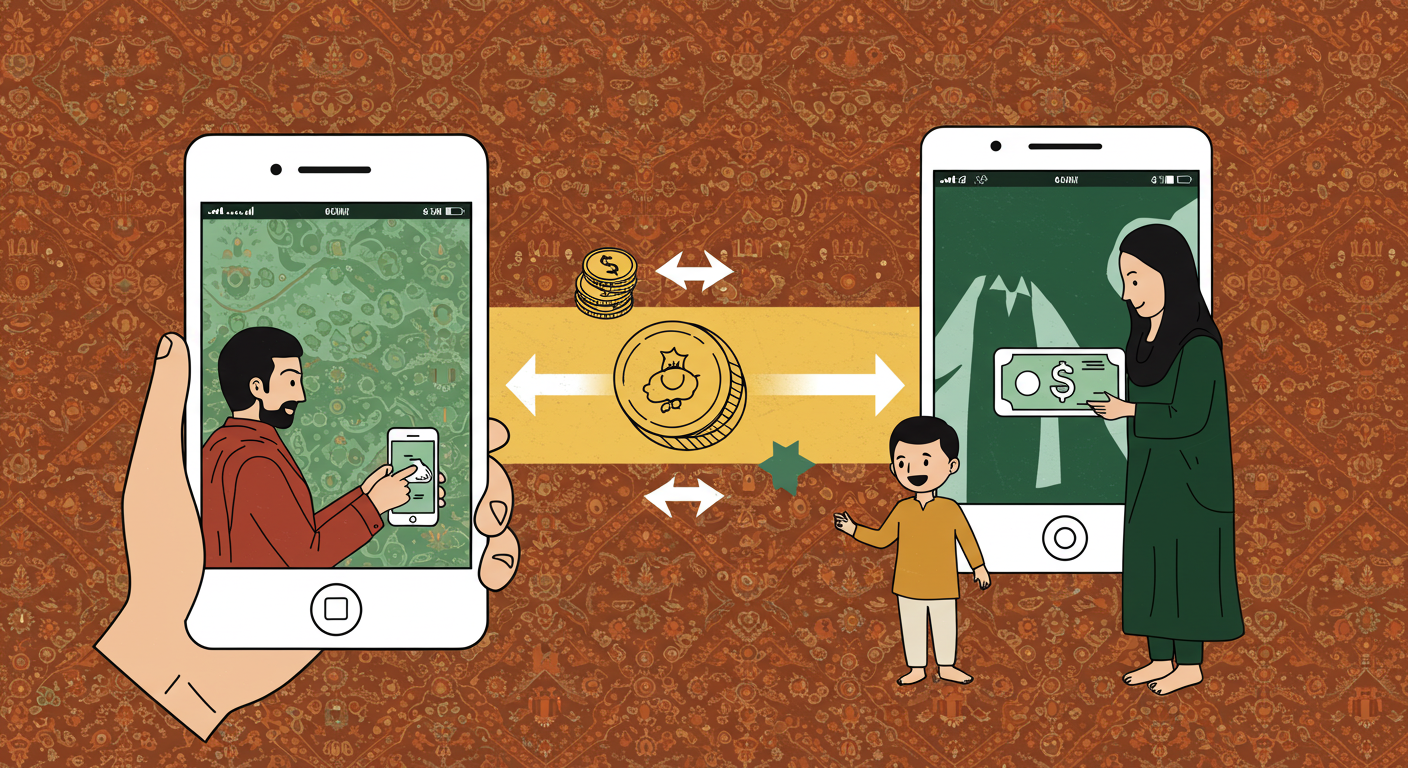
The fact that RAAST has already processed hundreds of millions of payments for individuals and merchants since its launch in 2021 highlights the strength of this infrastructure. Expanding its scope to include stock trading is both logical and visionary. Each investor will now be assigned a unique Investment ID in IBAN format, making it easier to link personal bank accounts to brokerage accounts. Once registered, funds can move instantly into trading accounts within minutes. This is more than just a technical upgrade. It is a transformation of investor experience, where efficiency replaces frustration, and accessibility replaces exclusivity.
The ripple effect of this reform could be far-reaching. More efficient capital markets allow savings to flow into productive investments, strengthening the economy’s backbone. Small investors who once considered the stock exchange an elite and distant space can now find themselves part of it. Brokers, too, will benefit as administrative delays and manual processes reduce. Perhaps most importantly, the trust deficit that has long haunted Pakistan’s financial institutions can gradually shrink as people experience reliability in real time.
Of course, challenges remain. Pakistan’s stock market capitalization, at around 27 billion dollars, still lags far behind regional peers. Liquidity is limited, and retail participation remains thin compared to the size of the population. But these challenges should not be viewed as weaknesses alone. They also represent opportunities. A youthful population with increasing digital literacy, growing smartphone penetration, and expanding fintech adoption provides the right ingredients for change. If reforms continue at this pace, the gap between Pakistan and its neighbors can narrow.
This move also places Pakistan in line with global financial trends. Across Asia, markets are turning to technology to democratize investment and attract participation. Countries like India and Singapore have leveraged digital platforms to strengthen trust in their capital markets, while China has rapidly integrated mobile payments with retail trading. Pakistan is now showing that it, too, can innovate and build systems that match international standards. By doing so, it not only improves investor experience but also enhances its global financial reputation.
Another important dimension of this reform is the message it sends to overseas Pakistanis and foreign investors. An efficient, transparent, and digitally enabled capital market is more attractive to external investors who have often been wary of bureaucratic hurdles. With proper promotion, the reform could encourage overseas Pakistanis to participate in the stock market more actively, channeling remittances into productive financial assets rather than just consumption.
Critics may argue that one reform alone cannot fix decades of structural issues, and that may be true. However, meaningful change often begins with small, consistent steps. The RAAST integration shows that Pakistan is willing to confront its weaknesses and modernize its systems. Combined with other financial sector reforms, such as improved regulations, better corporate governance, and investor education programs, this initiative could be part of a broader turning point for the economy.
The story of Pakistan’s financial system has long been written in caution, with narratives of instability, missed opportunities, and limited participation. Yet today’s development reminds us that reform is not only possible but is also actively happening. By modernizing its capital markets through digital inclusion, Pakistan is planting seeds of resilience and growth at a time when optimism is most needed.
This milestone is not merely about instant payments. It is about a nation choosing to modernize its future and create opportunities for its people. If nurtured with consistency and vision, this step could become a foundation for broader financial participation, stronger investor confidence, and a capital market that finally mirrors the energy and ambition of Pakistan itself. The road ahead is long, but with reforms like these, the horizon looks brighter than ever.
Author